
Last updated November 23, 2026
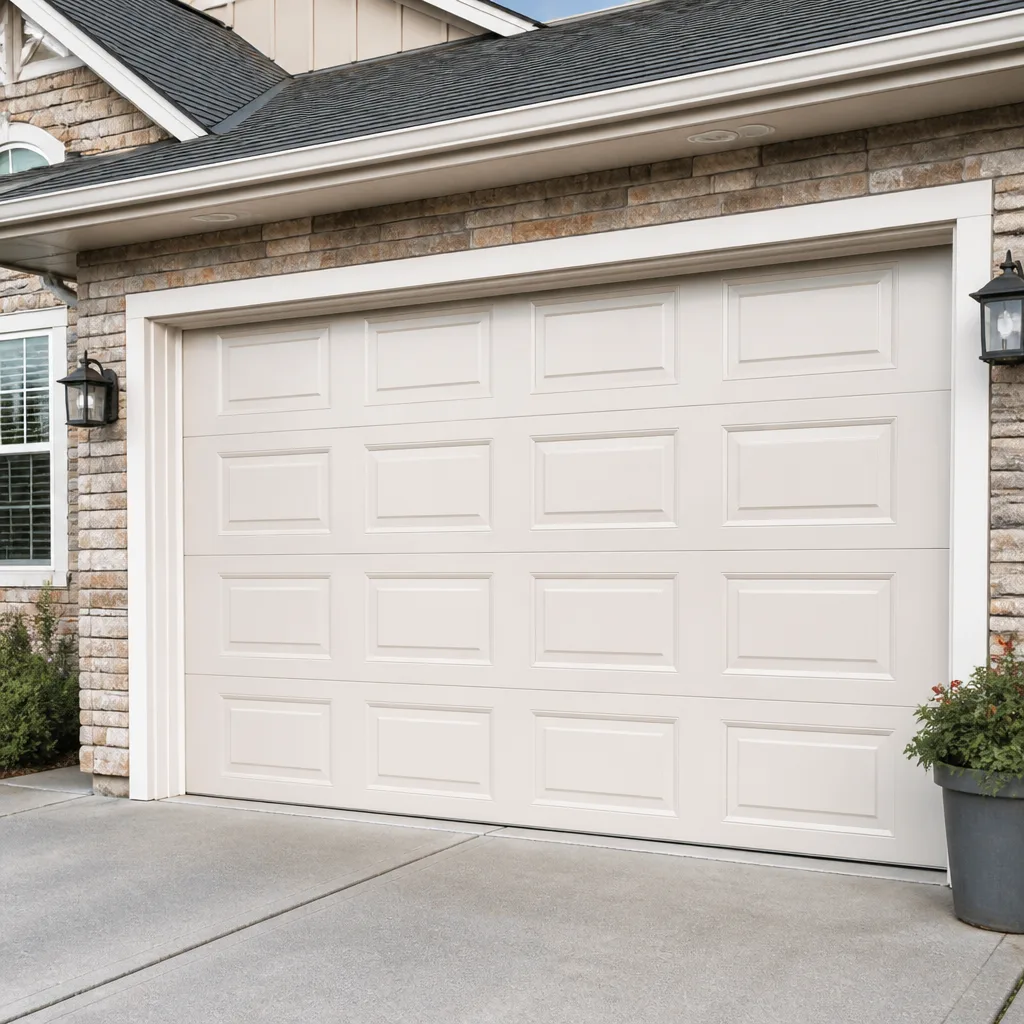 Raised-panel steel
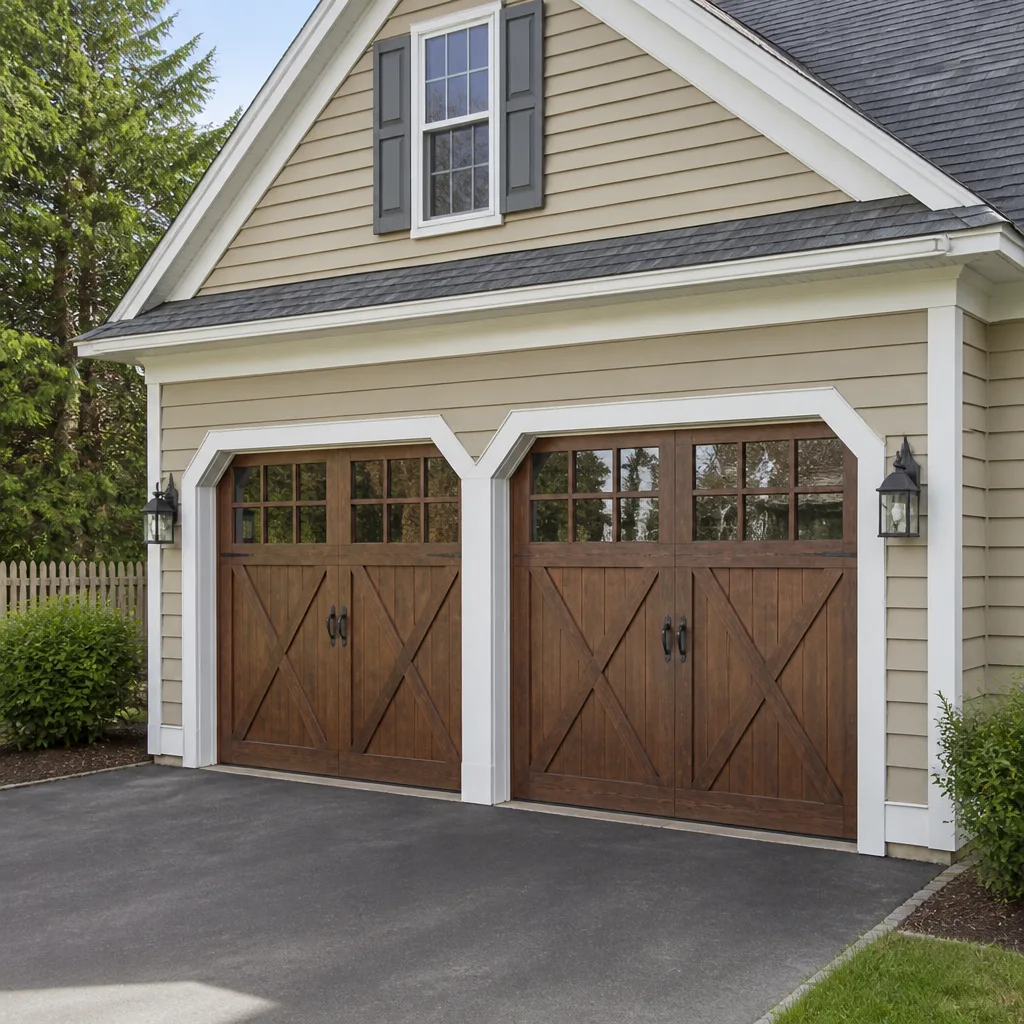 Carriage house
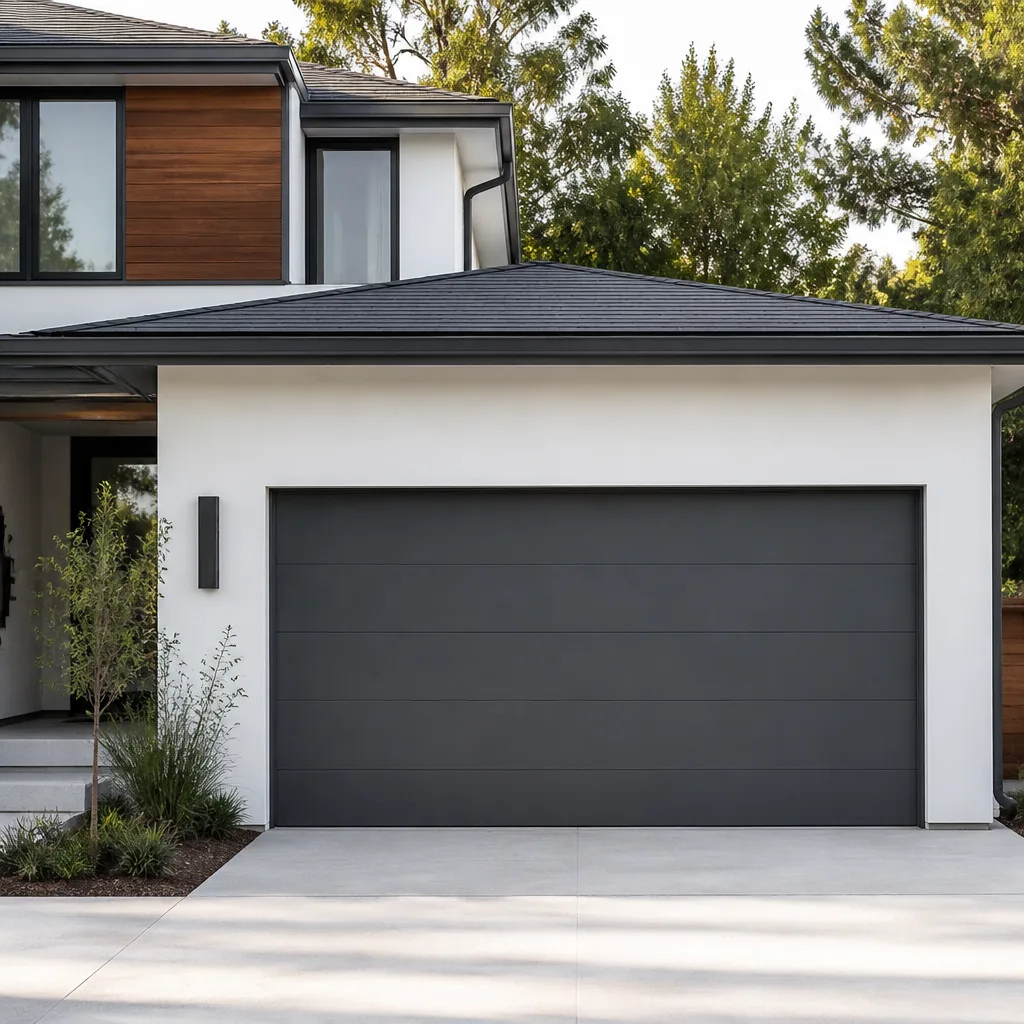 Modern flush
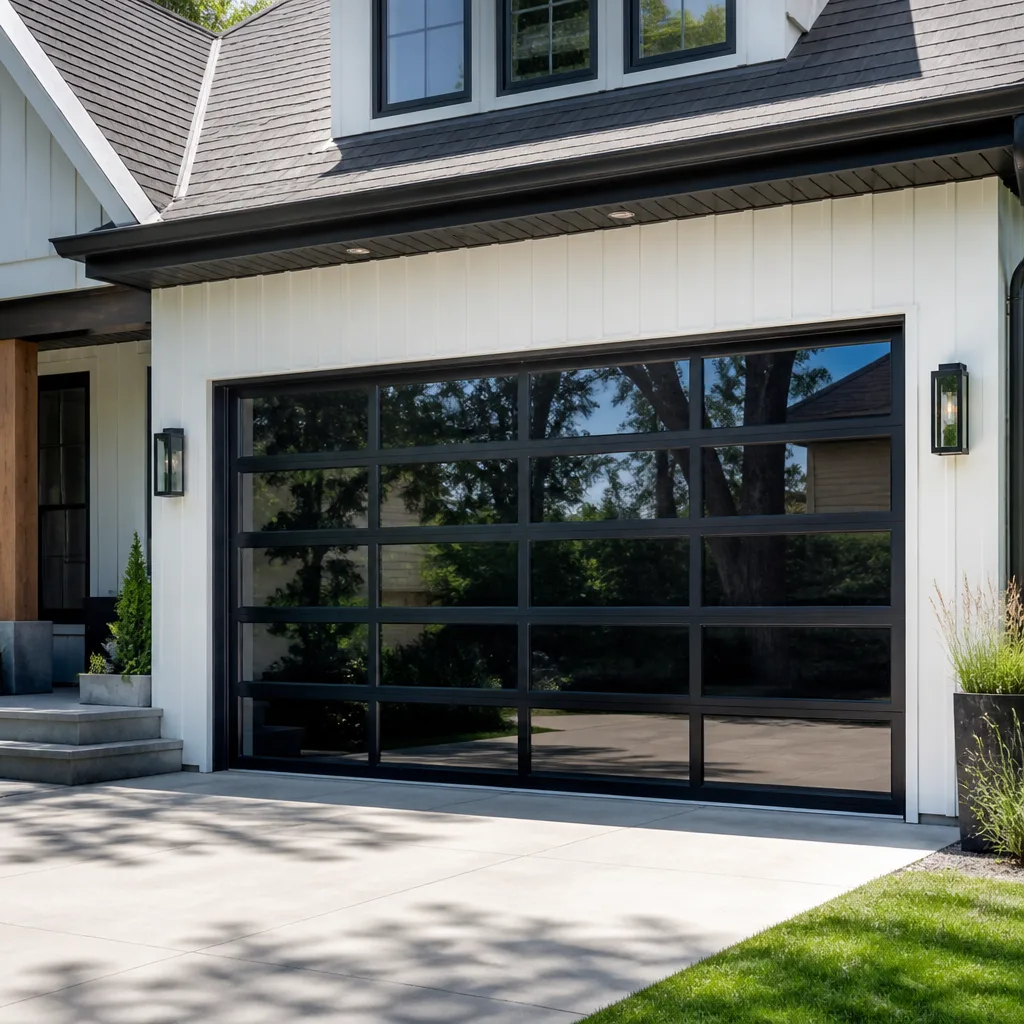 Full-view glass
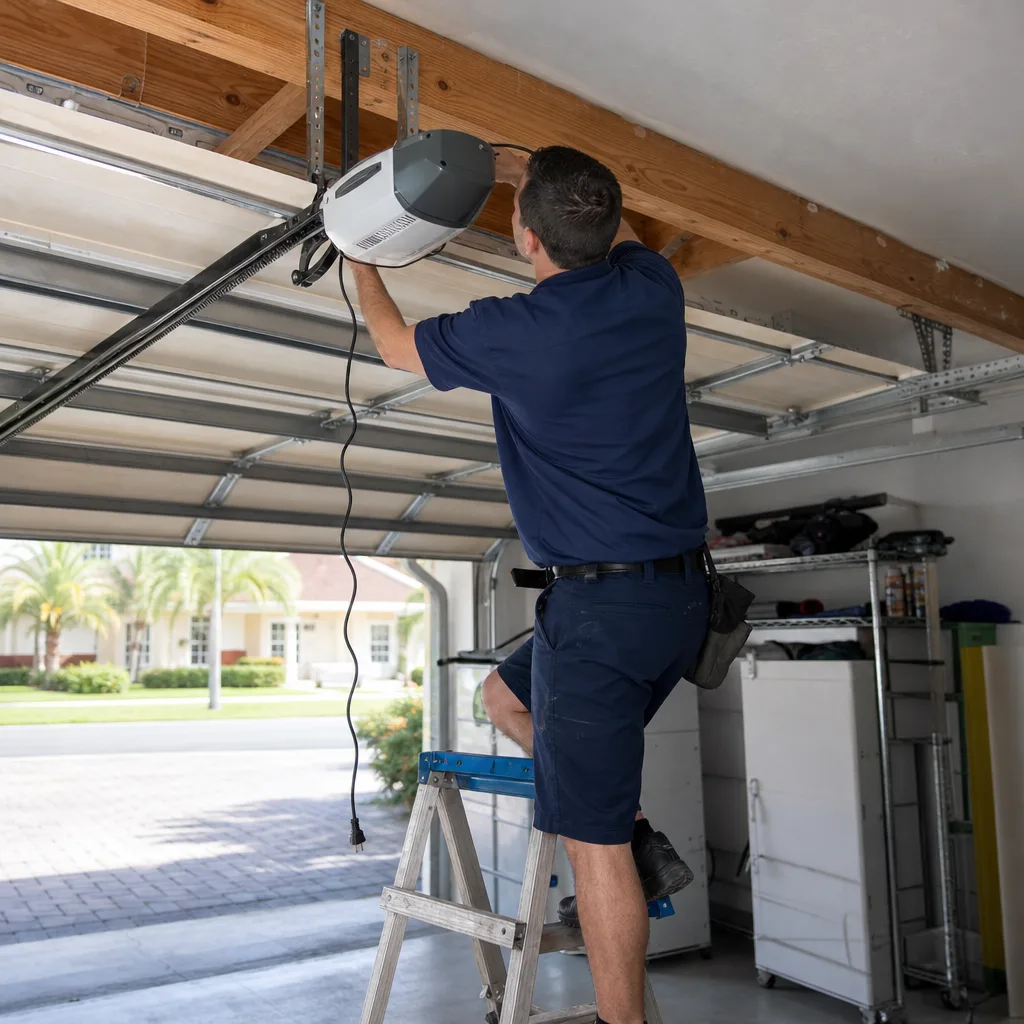
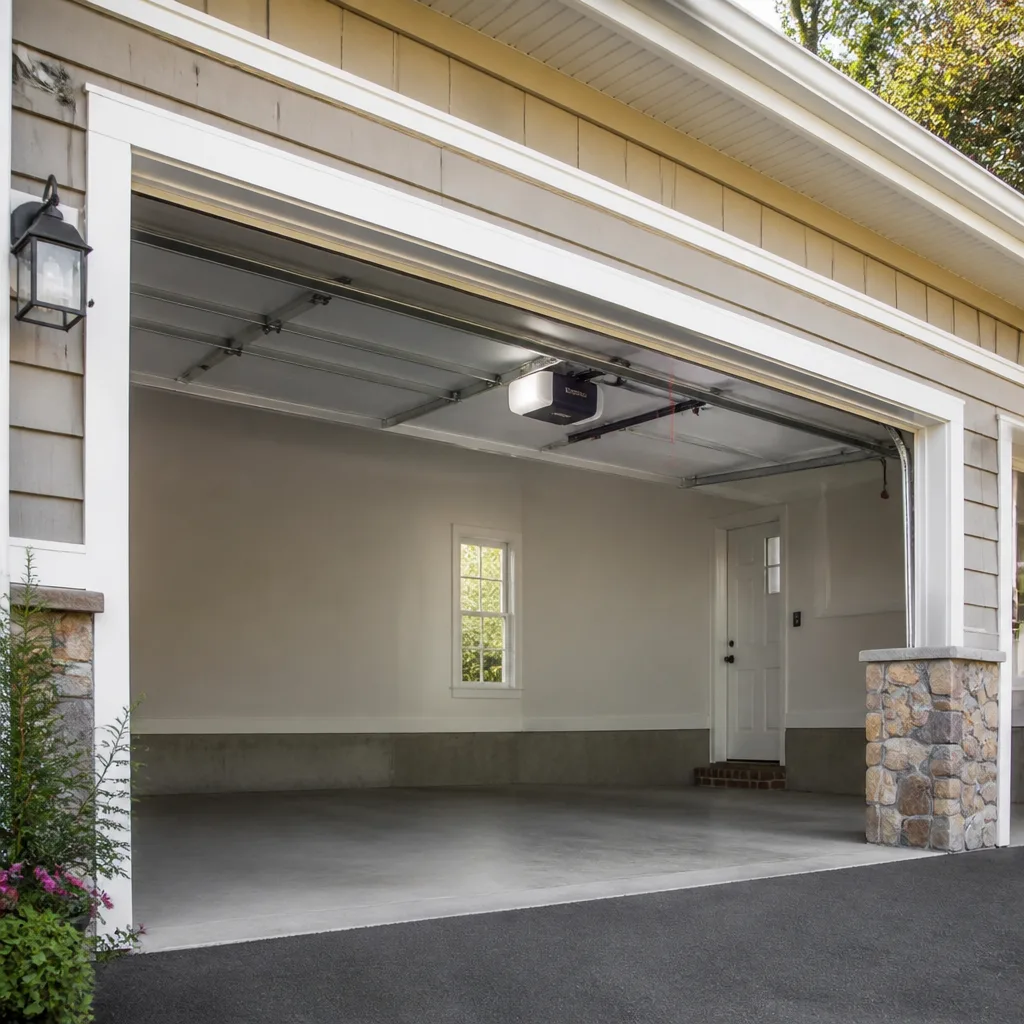 LiftMaster openers
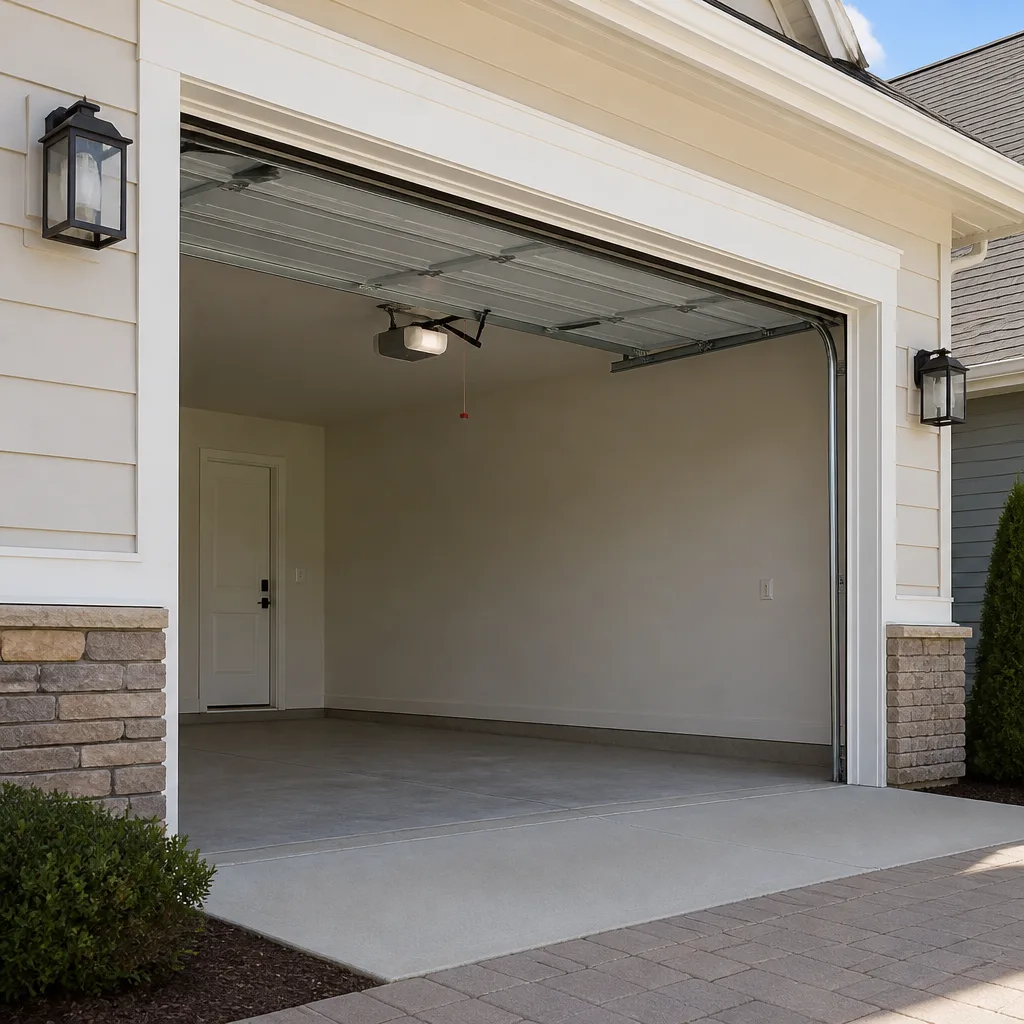 Chamberlain openers
Full 25-point door and opener safety check with every visit - springs, cables, rollers, tracks, and your LiftMaster or Chamberlain opener included
You get a price before we start. It does not change when the pro arrives.
Get your free estimateGarage Door Warning Signs: A Boynton Beach Homeowner’s Reference Guide
A garage door doesn’t just break. It talks to you for weeks first, in grinding, clicking, and slow starts that most homeowners hear and dismiss. The person who learns to read those signals ends up paying for one worn part and getting on with their week. The person who ignores them ends up with a door off its track, a car trapped inside, and a bigger bill than they expected. This guide covers what each noise and symptom actually means, how Boynton Beach humidity changes the picture, and what you can safely check yourself without touching the parts that bite. We’ll also show you the signals that mean stop calling around and start calling a specialist.
Quick Answer
The most reliable warning signs of a failing garage door are a door that reverses on its own, a slow or jerky open and close, grinding or popping sounds during travel, visible gaps or stretching in a torsion spring, and frayed cables at the drum. Any one of these means the door needs a professional look before it fails completely. In Boynton Beach’s humid climate, rust streaking and track binding show up early and are easy to confuse with ordinary wear.
Styles & brands we work with
- Raised-panel steel
- Carriage house
- Modern flush
- Full-view glass
- LiftMaster openers
- Chamberlain openers
Table of Contents
- A Slow Door: Opener Motor or Spring Losing Tension?
- Why Your Door Reverses in Boynton Beach Humidity
- What Grinding, Popping, and Squealing Each Mean
- Visual Spring and Cable Checks You Can Do Safely
- Rust Streaking vs. Metal Fatigue: Why the Repair Differs
- Opener Warning Signs by Brand
- A Seasonal Check Calendar for Boynton Beach
- Common Mistakes to Avoid
A Slow Door: Opener Motor or Spring Losing Tension?
A garage door that opens more slowly than it used to has two common causes, and they look almost identical from the driver’s seat. Either the opener motor is losing power and pulling harder than it should, or one of the springs has lost tension and stopped carrying its share of the door’s weight. The first is an opener problem; the second is a spring problem. They get fixed in completely different ways.
Here’s how technicians sort them out. When a torsion spring weakens, the door suddenly feels heavier to the opener. The motor strains, the door moves slowly or unevenly, and you may hear the opener’s motor humming longer than usual before the door starts to rise. With an aging opener, the symptom tends to be more consistent: the door moves at a steady but sluggish pace on every cycle, and the light may flicker or the remote may need to be pressed twice.
- Spring losing tension: The door feels heavy when you lift it by hand (with the opener disengaged), it drifts down on its own when opened halfway, and the opener seems to work harder on the way up than on the way down.
- Opener motor wearing: The door is slow but even, the opener makes a strained hum, and the problem grows gradually regardless of the door’s weight.
- Both at once: Not unusual on older doors in Boynton Beach, and one reason we check the whole system rather than swapping parts on a guess.
If the door is binding or unbalanced, running it repeatedly on a struggling opener accelerates wear on both. A trained technician can separate the two in a single visit. Our team handles garage door opener repair and spring work side by side, so the diagnosis comes from looking at the whole system, not one piece of it.
Why Your Door Reverses in Boynton Beach Humidity
A door that goes partway down and then reverses is one of the most common calls we get in Boynton Beach. The instinct is to blame the safety sensors, and sometimes that’s right. But in this climate, an equally common cause is a track that has shifted or swelled slightly from heat and humidity, creating just enough friction for the door’s safety system to read it as an obstruction.
The distinction matters because a sensor problem and a track problem need different fixes. Here’s how to tell which one you’re dealing with.
- Check the sensors first. Look at the two small lenses near the floor on each side of the door. If one is knocked out of alignment or the indicator light is off or blinking, that’s a sensor issue. A lens bumped by a bicycle or a broom handle is a common culprit.
- Watch the door’s path. If the sensors look fine but the door still reverses, watch the door as it closes. Does it hesitate, bind, or drag on one side? That points to the track or a roller issue, not the sensors.
- Listen for straining. A binding track makes the opener work harder. You may hear the motor pitch change right before the door reverses. That’s the opener hitting its force limit and backing off, which is exactly what it’s supposed to do.
A door that reverses unpredictably should not be forced. The safety reverse is a protective feature, and overriding it is how people get hurt. If the sensors check out and the door still reverses, the track, rollers, or spring tension need a proper look. In our experience, a lot of Boynton Beach doors that “randomly” reverse have a track that needs realignment after a season of heat and humidity expansion. Call a professional before you adjust anything.
What Grinding, Popping, and Squealing Each Mean
The sounds a failing garage door makes are not interchangeable. Each one points to a specific component, and knowing which is which can save you time when you call for service.
Grinding usually comes from metal-on-metal contact. The most common sources are worn rollers that no longer roll smoothly, or a torsion spring that has begun to fail and is dragging against itself. A grinding sound during travel often means a roller has seized and is scraping the track instead of rolling through it. Left alone, a seized roller wears a groove into the track and turns a small repair into a track replacement.
Popping is a sharper, more sudden sound, and it often points to the torsion spring. Springs can pop as they lose tension, and if you ever hear a loud bang from the garage followed by a door that won’t open, a spring has likely broken. That’s a call-a-professional-immediately situation, not a wait-and-see one. A popping sound can also come from a track that has shifted and is catching a roller, but a broken spring is the more urgent possibility.
Squealing is the most benign of the three and usually signals dry hinges, rollers, or a dry spring. It’s a lubrication signal, though not one you should answer by spraying the torsion spring yourself. If the squeal is accompanied by slow movement or uneven travel, treat it as a symptom of a bigger problem, not just a noise.
- Grinding: seized rollers or spring failure – inspect the rollers first
- Popping: spring tension loss or a shifted track – stop using the door until checked
- Squealing: dry moving parts – lubrication, but never on the spring itself
Visual Spring and Cable Checks You Can Do Safely
You can learn a great deal about your door’s health by looking at it with your eyes only. We want to be direct about this: torsion springs and cables are under extreme tension, and touching or adjusting them can cause serious injury. A trained technician with the right tools is the only safe person to work on them. What you can do is observe, and observation is often enough to catch a problem early.
- Look for a gap in the torsion spring coil. A healthy torsion spring is one continuous, tightly wound coil. If you see a visible gap where the coil has separated, that’s a sign of wear or a break. Don’t try to close the gap or measure it by hand.
- Check the cable at the drum. The cables run along each side of the door and wrap around drums at the top. Look for fraying, kinks, or a cable that has jumped off the drum. Frayed cables can snap, and a snapped cable can whip. If you see fraying, stop using the door.
- Look at the spring color and surface. Rust or a change in finish on the spring itself can indicate moisture exposure. In Boynton Beach, surfaces in the garage see year-round humidity, so a little surface rust is common, but heavy rust means the spring is aging.
- Watch for a door that won’t stay up. With the opener disengaged, a balanced door should hold its position halfway up. A door that drifts down on its own has a spring or balance problem.
None of these checks require touching the spring, cable, or drum. If you see anything on this list, get it checked. Our garage door spring repair work starts with a full assessment of the spring, cable, and balance system together, because they fail as a group more often than individually.
Rust Streaking vs. Metal Fatigue: Why the Repair Differs
Boynton Beach sits in a warm, humid climate, and humidity leaves its fingerprints on garage door hardware. But not all discoloration means the same thing, and treating humidity-related corrosion the way you’d treat ordinary wear can shorten the life of the parts.
Rust streaking shows up as orange or brown trails on the door panels, the hinges, or the springs. It usually means moisture is collecting and staying on a metal surface. Streaks on the panels may be cosmetic, but streaks on the hinges, rollers, or spring indicate that those parts are losing their protective coating. The repair approach is to clean and protect, or to replace the affected hardware if the rust has become structural. Rust on the door panels themselves is often a cosmetic issue; rust on moving parts is a function issue.
Metal fatigue looks different. It shows up as cracks, stretching, or a spring that has lost its shape without much visible rust. Fatigue is the result of cycles – every open and close is one cycle, and a spring only has so many in it. A fatigued spring doesn’t announce itself with rust; it announces itself with tension loss, popping, or a door that suddenly won’t stay up.
Why does the distinction matter? Because a rusted spring may be a candidate for cleaning and inspection, while a fatigued spring needs replacement. A technician can tell the difference by looking at the spring’s shape, the coil gaps, and the way the door balances. Homeowners who treat rust streaks as “just cosmetic” sometimes miss the fatigue underneath. In our experience, the smart move is to have any persistent discoloration on the spring or cables looked at once.
Humidity also affects the track and rollers. A track that was aligned in a dry season can shift slightly when the metal expands. That’s a Boynton Beach-specific wrinkle: a door that ran fine in the cooler months can start binding in the humid ones. If your door’s behavior changes with the seasons, that’s a sign worth noting and worth a professional check.
Opener Warning Signs by Brand
Openers from different manufacturers express their problems differently, and knowing your brand’s typical behavior helps a technician diagnose faster. We work on the major brands day in and day out, including LiftMaster, Chamberlain, Genie, and Clopay, and each has its own quirks worth knowing.
LiftMaster and Chamberlain systems (they share much of their engineering) often give clear signals before failure. If the opener’s light flickers or the wall control becomes unresponsive while the remote still works, that points to a wiring or logic board issue rather than the motor. These brands also use safety features that can trip and cause the door to reverse if the sensors are misaligned, which is why sensor checks come first.
Genie openers tend to signal motor wear through changes in sound and speed rather than through error codes. A Genie that runs slower, sounds strained, or needs the remote pressed twice before responding may be showing early motor wear or a capacitor issue.
Clopay is a door manufacturer rather than an opener brand, and the door’s construction matters for opener diagnosis: a heavy door on a light-duty opener strains the motor and shortens its life. If your Clopay door is paired with an undersized opener, the opener will show wear sooner than it should.
Whatever your brand, the pattern is the same: changes in sound, speed, and response time come before failure. If your opener is behaving differently than it did six months ago, get it checked. Our team handles garage door repair for all these brands, so you don’t have to guess whether the technician knows your system.
A Seasonal Check Calendar for Boynton Beach
Garage doors in Boynton Beach don’t face freeze-thaw cycles or heavy snow loads. What they face is year-round humidity and heat that affects metal, lubricant, and seals differently than in colder climates. A simple seasonal routine catches most problems before they become emergencies.
- After the rainy season: Inspect hinges, rollers, and the spring for rust streaking. Check the weather seal at the bottom of the door for cracking or gaps. Humidity stresses the seal more than most homeowners realize.
- Before the hot months: Listen to the door as it travels. Note any change in sound, speed, or smoothness. Check that the safety sensors are aligned and their indicator lights are on.
- Twice a year, at minimum: Test the safety reverse by placing a small object in the door’s path and confirming the door reverses. Check the balance by disengaging the opener and lifting the door halfway.
- Any time you hear a new noise: Don’t wait for the seasonal check. New sounds are the earliest and cheapest signals you’ll get.
That last point is the heart of this guide. The door tells you before it fails. The homeowner who listens saves money; the one who doesn’t ends up calling from a driveway with the car trapped inside. If your door is showing any of the signs in this guide, it’s time to have it looked at. We answer the phone, we dispatch a technician when we say we will, and we’ll tell you what’s actually wrong instead of guessing.
Common Mistakes to Avoid
- Assuming a slow door is an opener problem. Half the time it’s a spring losing tension, and replacing the opener won’t fix it. Watch for a door that drifts down when halfway open; that’s a spring, not a motor.
- Ignoring a door that reverses. The safety reverse is working correctly; the door isn’t. Forcing the door down by holding the button is how people get hurt and how tracks get bent.
- Lubricating the torsion spring. This is the single most dangerous DIY garage door mistake. Springs are under enormous tension. Lubrication is for hinges and rollers, not the spring.
- Treating rust streaks as cosmetic. In Boynton Beach, rust on hinges and cables is often a sign of moisture exposure that needs professional attention, not paint.
- Diagnosing by sound alone. A grinding noise could be a roller or a spring. A popping noise could be a track or a spring. A technician sorts it out with a full inspection.
- Ignoring your specific brand. A generic handyman who guesses at a LiftMaster or Genie system can make the problem worse. Brand-specific knowledge matters.
- Waiting for a complete failure. The whole point of reading warning signs is to fix the problem on your schedule, not the door’s.
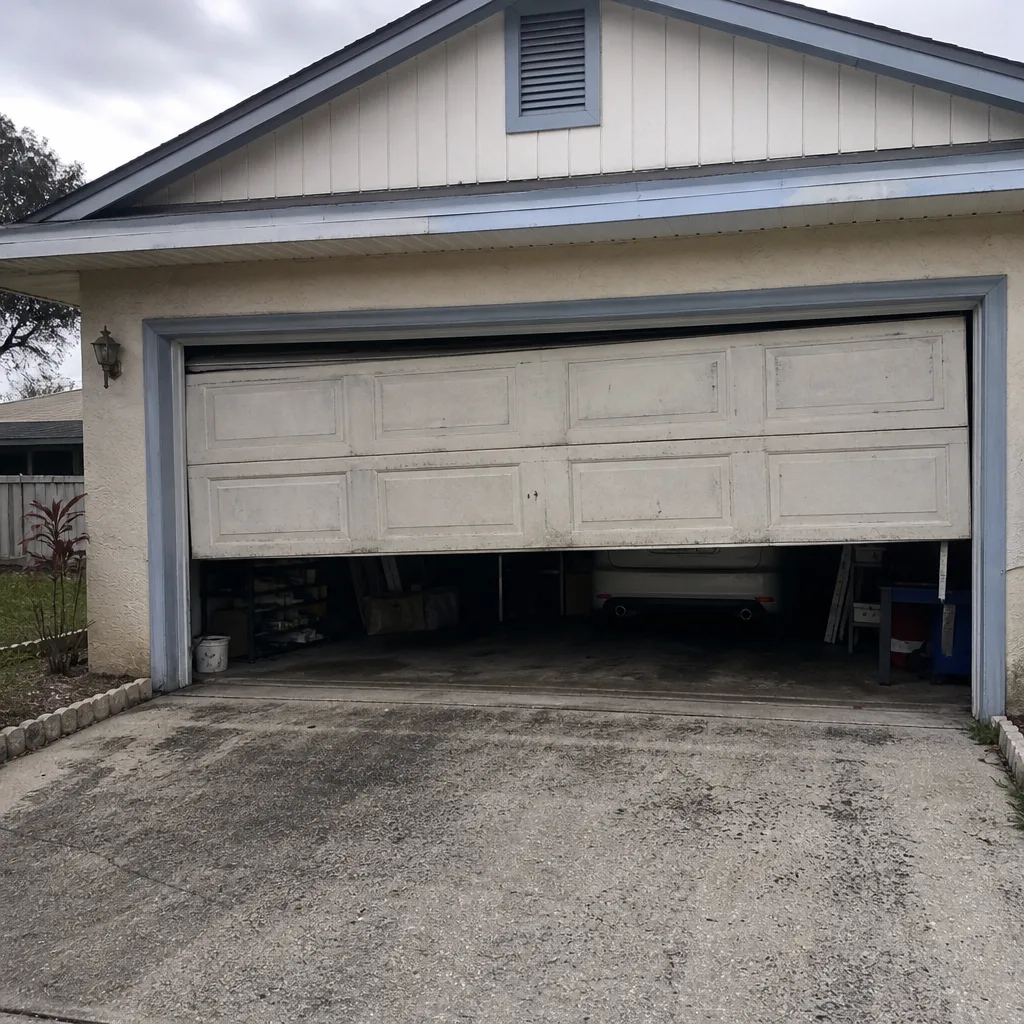
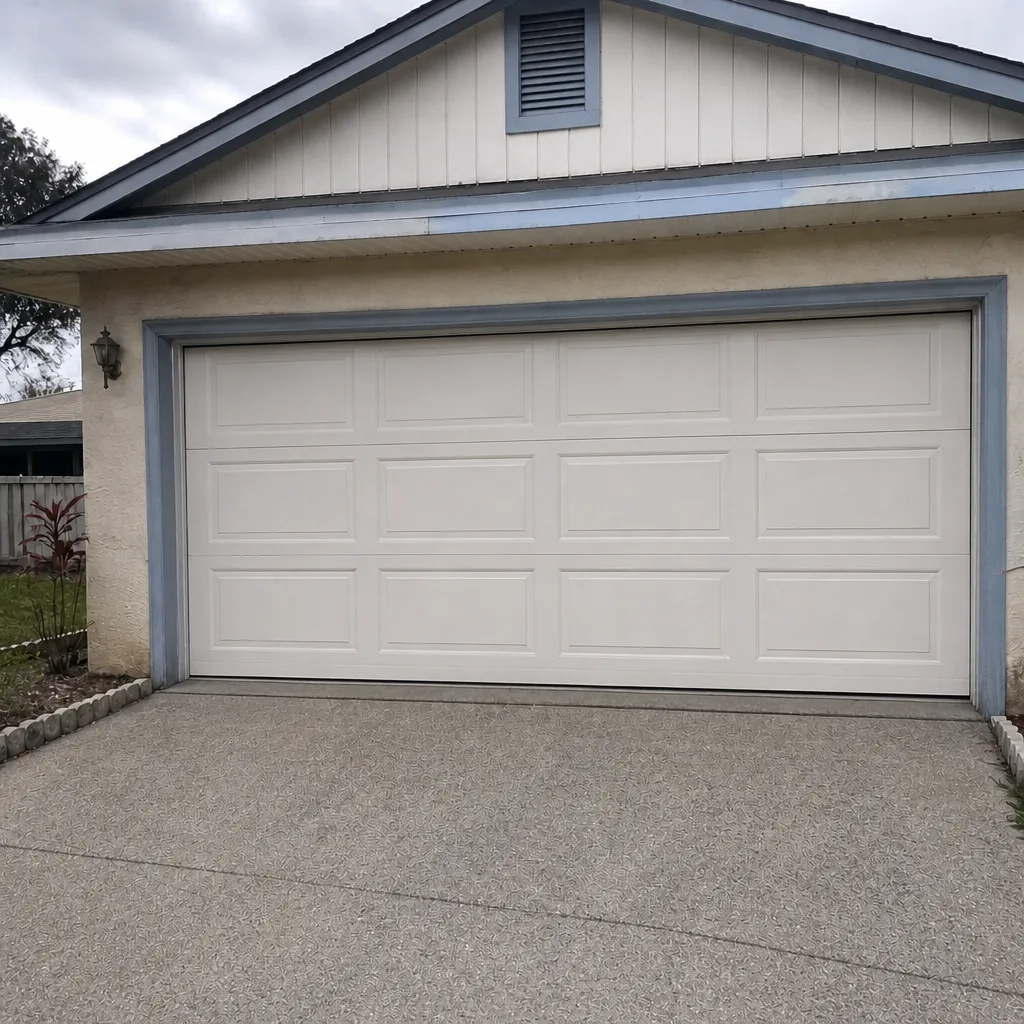
See the difference
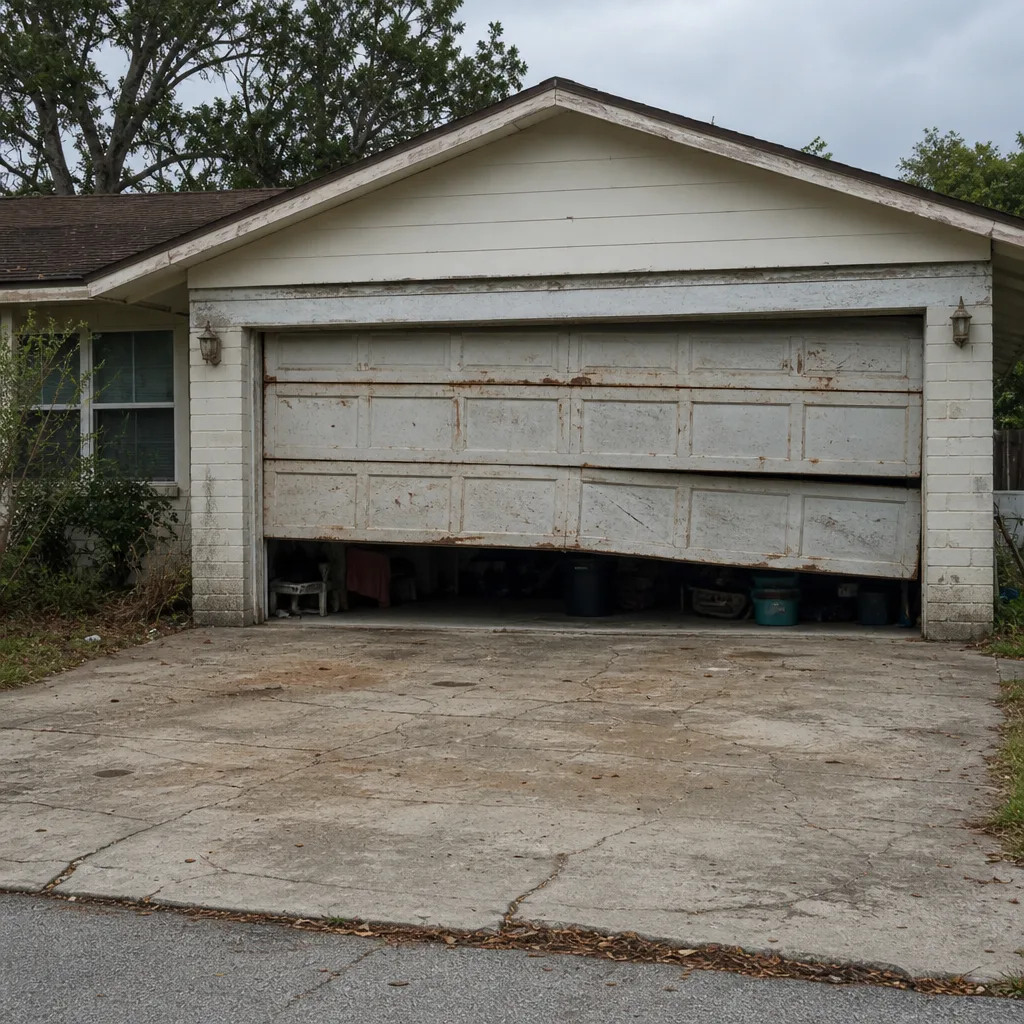 Before
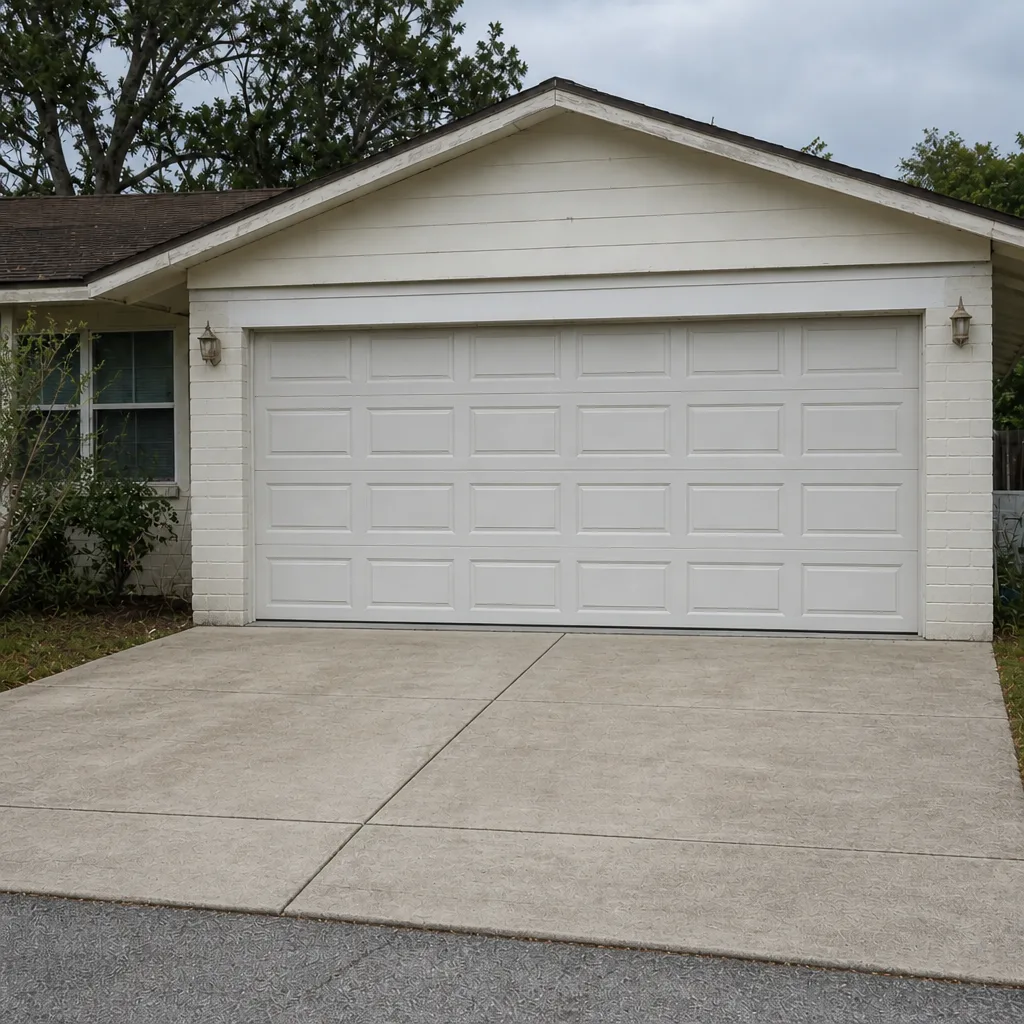 After
 Before
 After
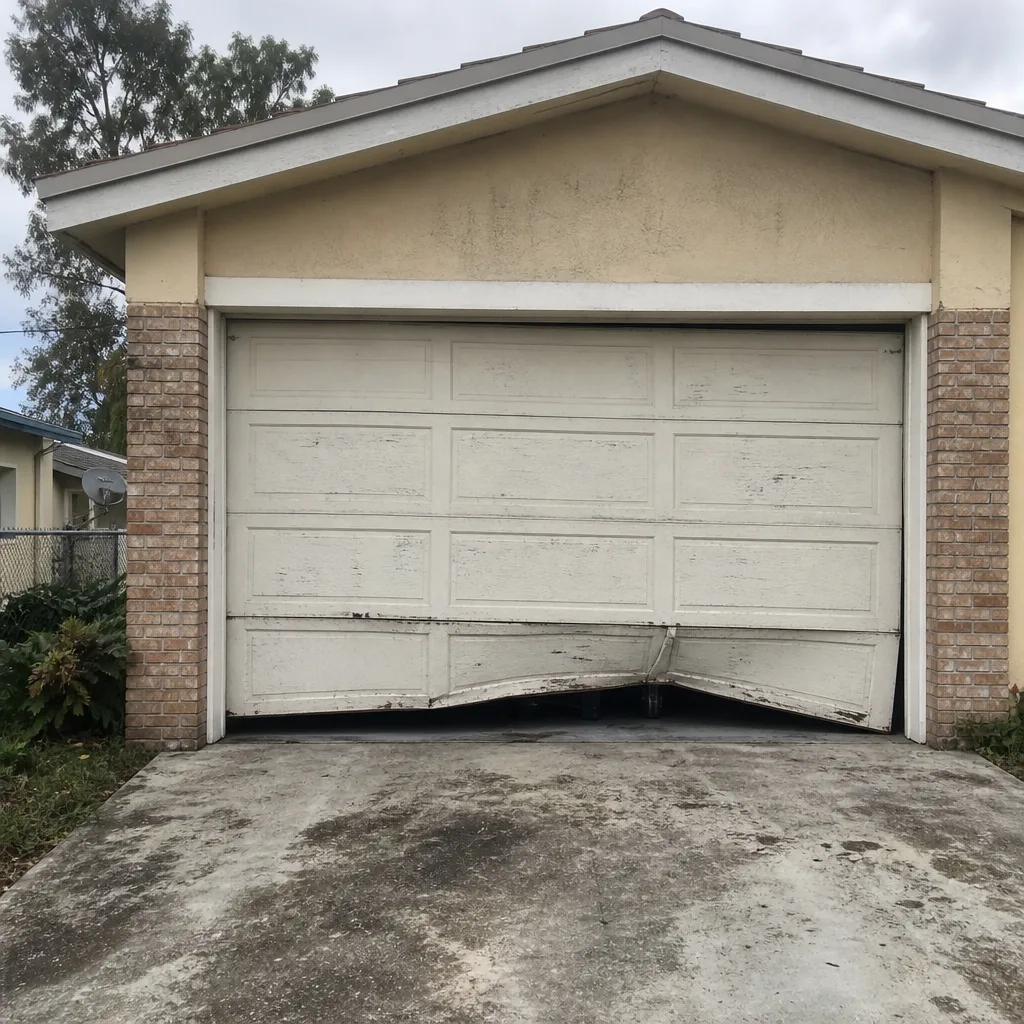 Before
 After
When to Call a Professional
Call a professional when the door reverses on its own, when a spring shows a gap or the door won’t stay up, when a cable is frayed, when the door hits a grinding or popping noise during travel, or when the opener runs but the door doesn’t move. These are the signals that a problem has moved past routine maintenance. If you ignore them, a small repair can turn into a bent track or a broken spring, and those are the calls that cost more and come at the worst time.
Boynton Beach Garage Door Repair Pros offers free estimates in Boynton Beach. Call (866) 937-8319. We answer 24/7. Fast dispatch from 7am to 7pm, Sunday through Friday. If your door is showing any of the warning signs in this guide, call before it becomes an emergency. We’re a garage-door-only company, and we work on your brand: LiftMaster, Chamberlain, Genie, Clopay, Amarr, Wayne Dalton, Craftsman, and Raynor.
Frequently Asked Questions
A weak spring shows up as a door that feels heavy, opens slowly, or drifts down when you open it halfway. You may also see a gap in the torsion spring coil or hear a popping sound. Don’t touch the spring to check it – get a professional to look. Call (866) 937-8319 for a free estimate.
Humidity can cause the track to expand or shift slightly, creating friction the safety system reads as an obstruction, or it can knock the safety sensors out of alignment. Check the sensor lights first; if they’re on, the track or a roller is the likely cause. Call us for a look.
A grinding noise usually means a seized roller or a failing spring. The sound is metal-on-metal contact, and ignoring it wears the track. Stop using the door if the noise is new and persistent, and call for a check.
No. Torsion springs are under extreme tension and can cause serious injury if handled incorrectly. A trained technician is the only safe person to adjust or replace one. We handle Boynton Beach Garage Door Repair Pros spring work as a named specialty, and we can take a look at yours.
No. A slow door can be an opener losing power or a spring losing tension, and they look similar. Our team checks both to identify the real cause before recommending anything.
The local professionals we connect you with are licensed and insured as their state requires, and our technicians have up to 12 years of experience. For a free estimate, call (866) 937-8319.
The Bottom Line
A garage door gives you weeks of warning before it fails, and most homeowners miss the signals because they don’t know what to listen for. A slow door, a reversing door, a grinding roller, a gap in the spring, a rust streak on a hinge – each one points to a specific component and a specific fix. In Boynton Beach’s humidity, the signals come with an extra twist: rust and track expansion can masquerade as wear. Read the signs early, check the sensors, never touch the spring, and call a specialist when something’s off. Boynton Beach Garage Door Repair Pros offers free estimates and fast dispatch. Call (866) 937-8319. We answer 24/7. Fast dispatch from 7am to 7pm, Sunday through Friday.
Written by the team at Boynton Beach Garage Door Repair Pros.