
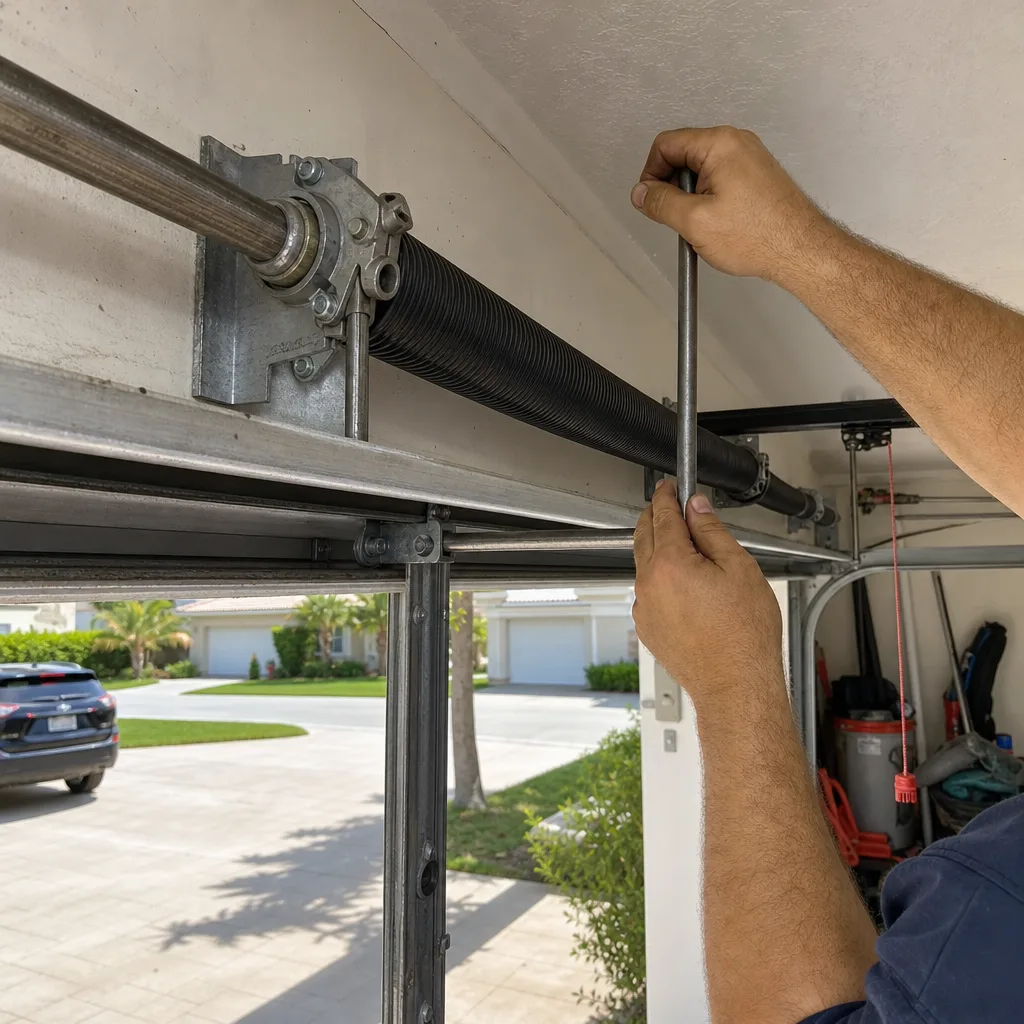
Last updated November 23, 2026
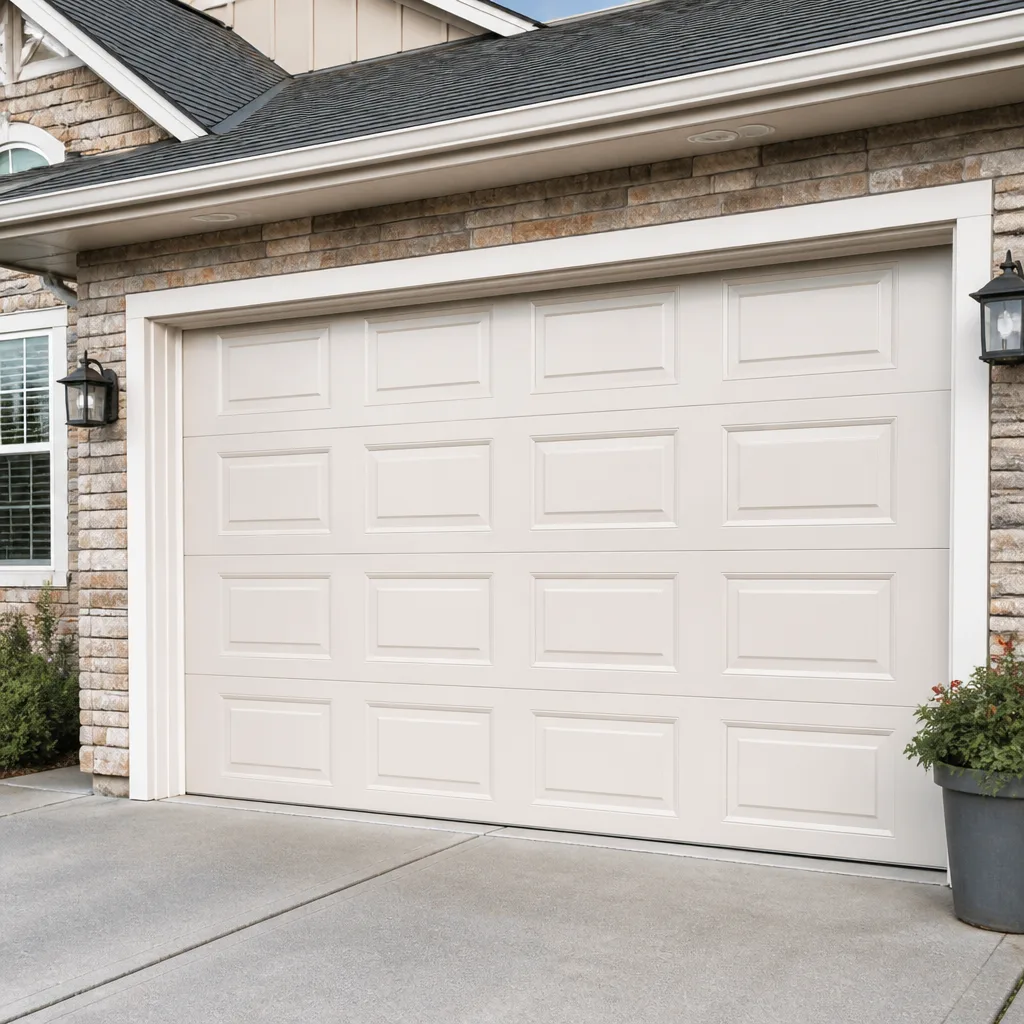 Raised-panel steel
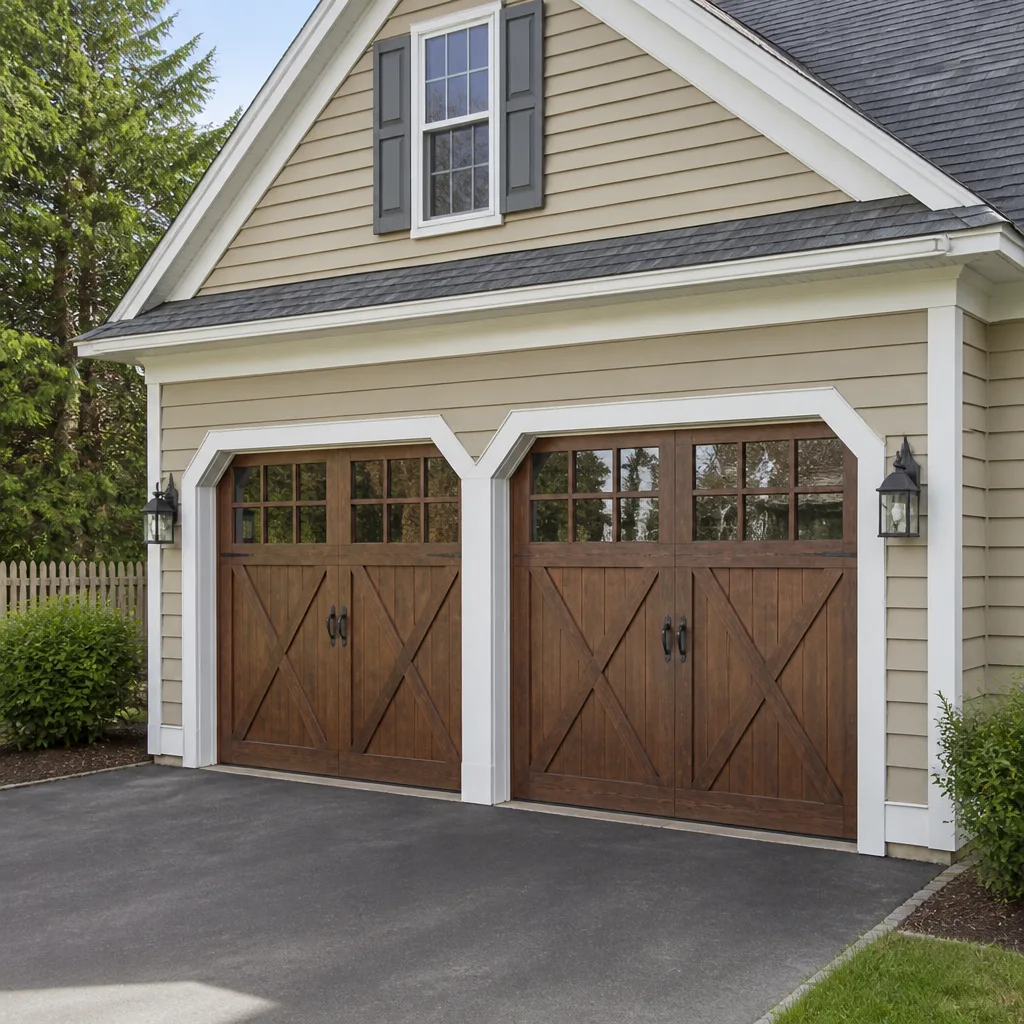 Carriage house
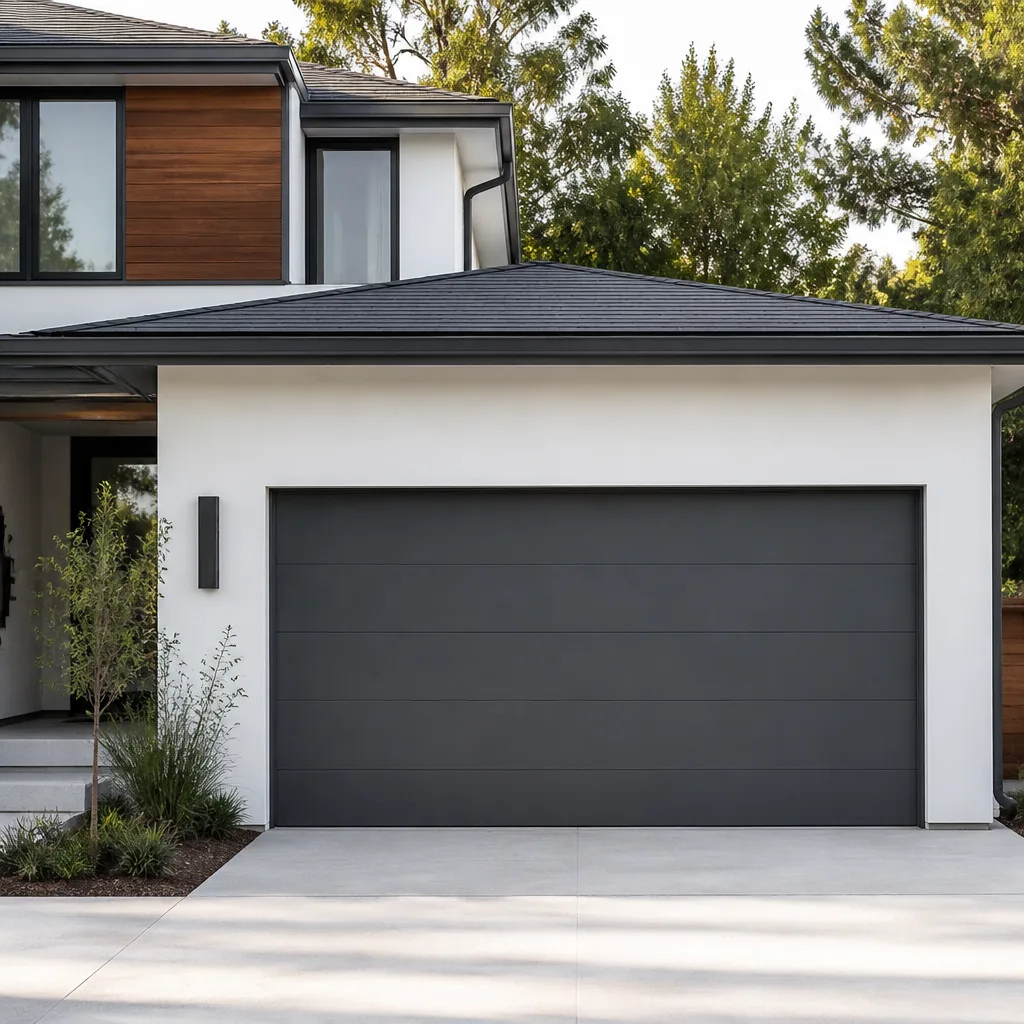 Modern flush
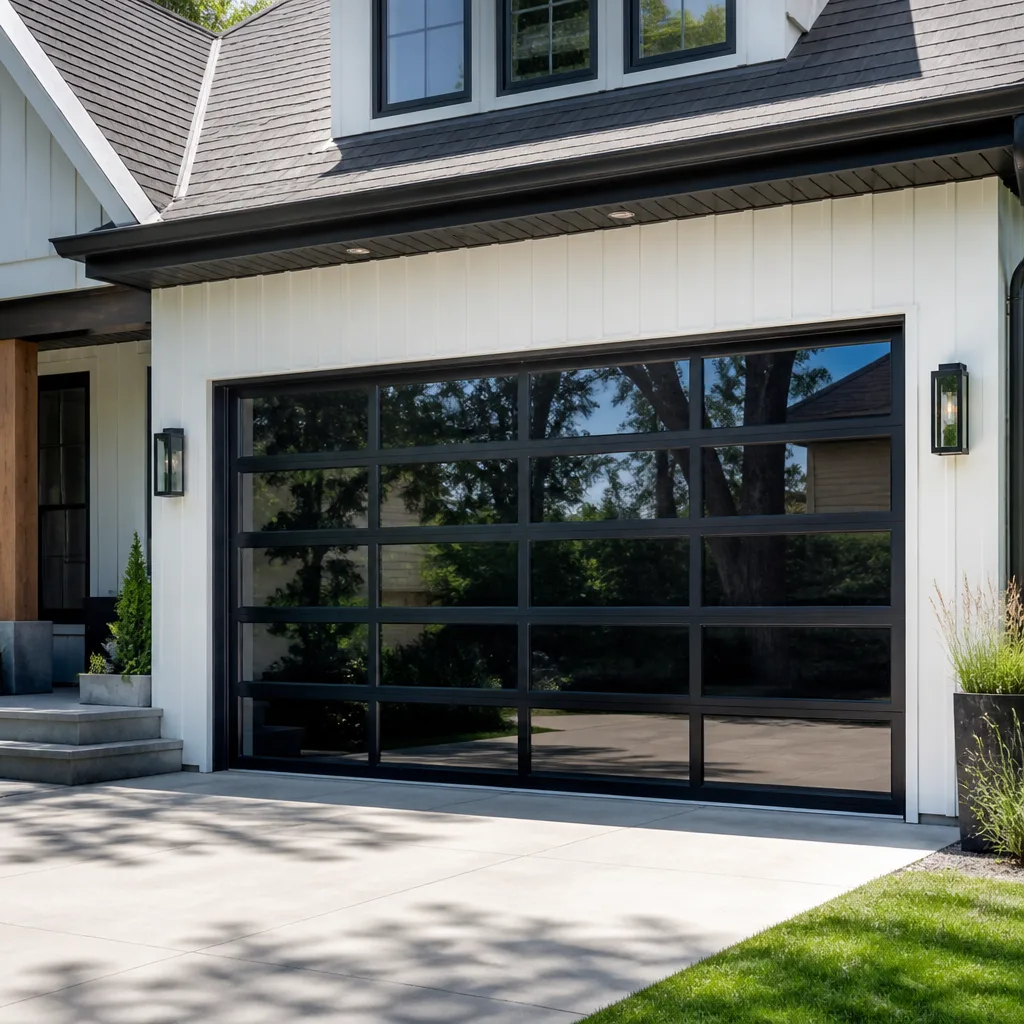 Full-view glass
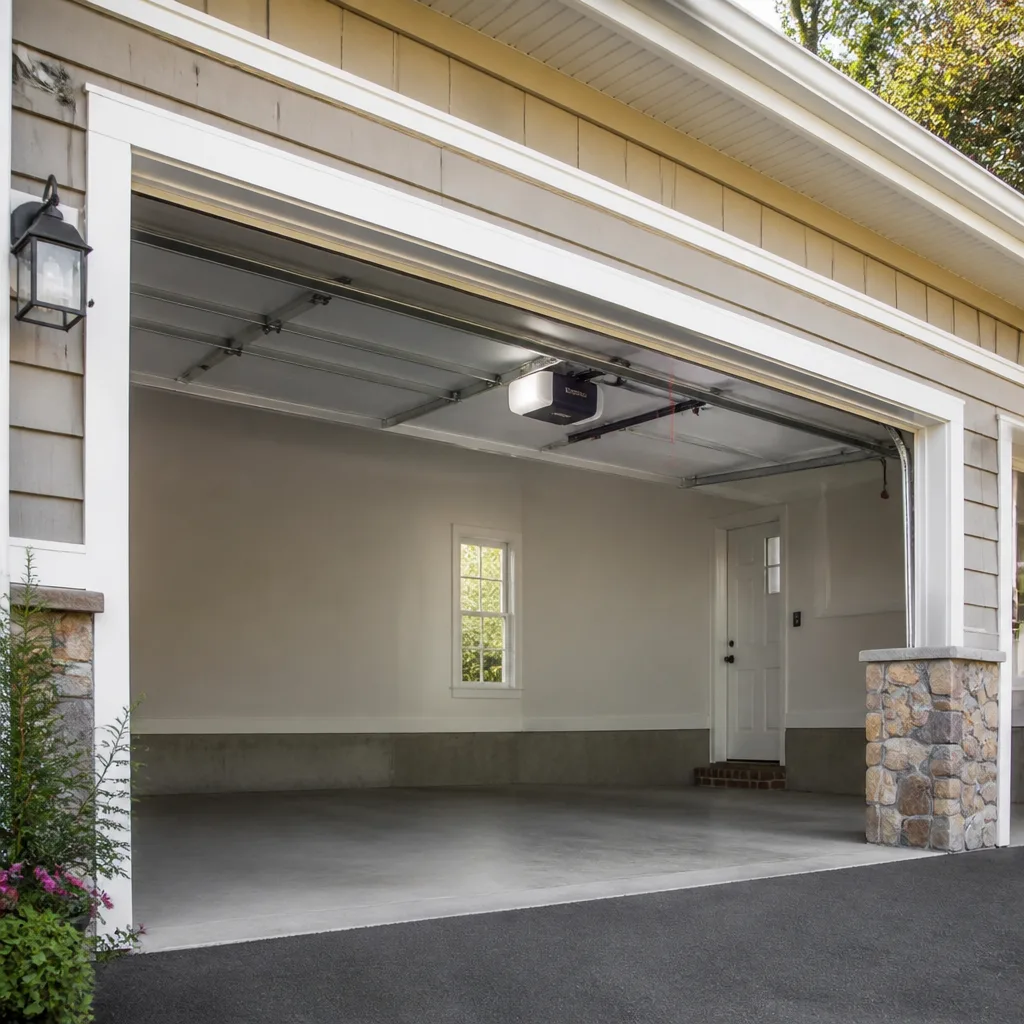 LiftMaster openers
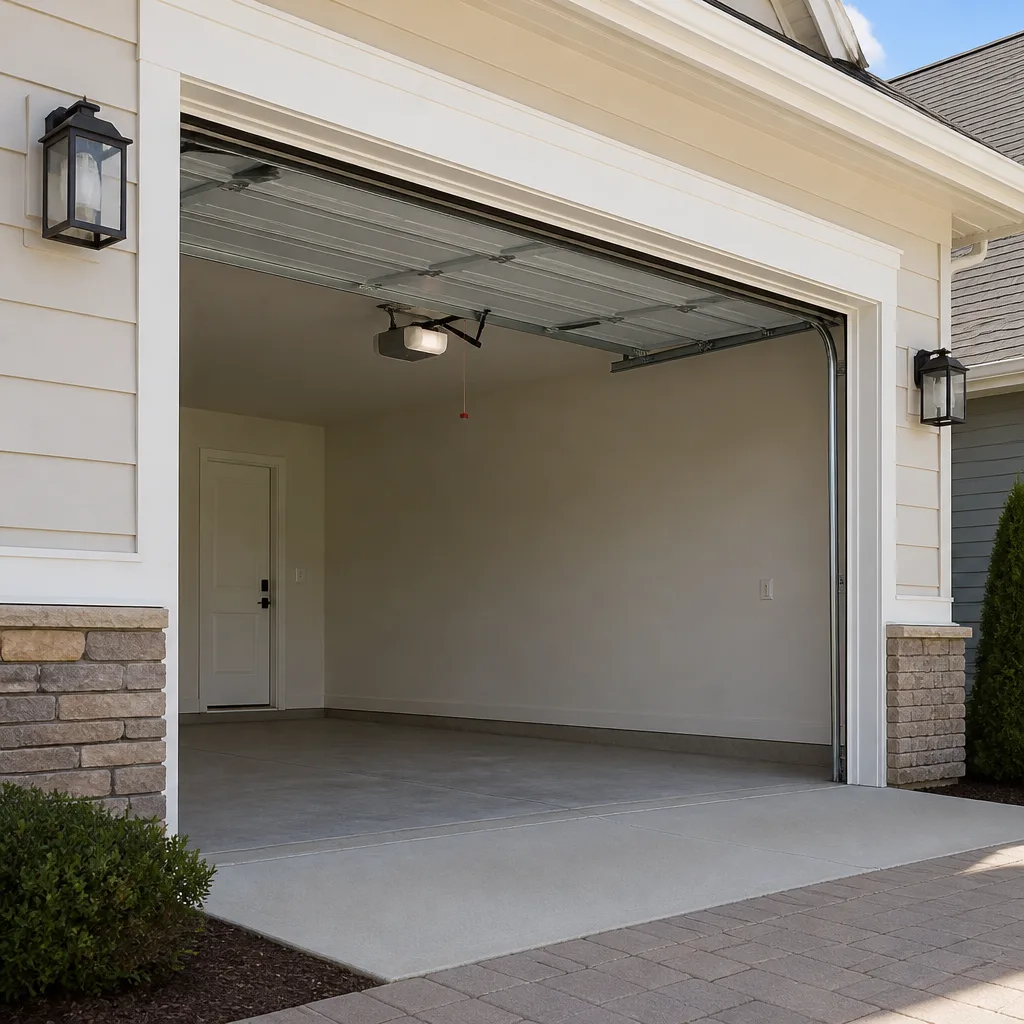 Chamberlain openers
Full 25-point door and opener safety check with every visit - springs, cables, rollers, tracks, and your LiftMaster or Chamberlain opener included
You get a price before we start. It does not change when the pro arrives.
Get your free estimateGarage Door Emergency Preparedness Guide for Boynton Beach Homes
The most common garage door emergency in Boynton Beach isn’t a snapped spring. It’s a homeowner standing in a dark garage during a multiday power outage after a storm, unable to get the car out, because nobody ever showed them how to pull the release cord and re-engage the carriage afterward. The door was fine. The opener was fine. The preparation was missing. That gap is fixable, and it’s mostly fixable in an afternoon, long before the wind picks up. This guide walks through the failures that actually cluster in Boynton Beach – hurricane season, outages, and the first genuinely cold week of winter – and what to have in place before each one. You’ll get the manual release procedure step by step, a pre-storm lock-down routine, a post-storm inspection checklist, and the small kit that keeps a small problem from becoming a stuck-car problem.
Quick Answer
Garage door emergency preparedness in Boynton Beach means three things: knowing how to release and re-engage your door manually when the opener or power fails, locking and securing the door from the inside before you evacuate ahead of a storm, and inspecting tracks, brackets, and the bottom seal before you run the door after high wind. Every item on that list can be practiced and set up in advance, which is why so few garage door emergencies here are truly unavoidable.
Styles & brands we work with
- Raised-panel steel
- Carriage house
- Modern flush
- Full-view glass
- LiftMaster openers
- Chamberlain openers
Table of Contents
- Why Garage Door Emergencies Cluster Around Storms, Outages, and Cold Snaps
- How to Release Your Garage Door by Hand – and Re-Engage It Correctly
- The Pre-Hurricane Protocol: Securing Your Door From the Inside
- Power Outage Playbook: Openers, Batteries, and Keypads
- What to Inspect Before You Operate the Door After a Storm
- Track Impact or Simple Adjustment? How to Tell the Difference
- The First Cold Week of Winter: Springs, Lubrication, and Stiff Doors
- Your Garage Emergency Kit: What to Keep and Where
Why Garage Door Emergencies Cluster Around Storms, Outages, and Cold Snaps
Garage door failures aren’t evenly spread across the calendar. In Boynton Beach they bunch up in three predictable windows, and each window stresses a different part of the system. Knowing which window you’re in tells you what to check first.
The first window is hurricane season. High wind loads the door, the tracks, and the header bracket in ways the hardware never sees on a calm afternoon. Debris becomes a projectile. A door left unsecured on the inside can be pushed, twisted, or pulled off its track. Most of the structural damage we see after a storm traces back to something that could have been secured before it arrived.
The second window is the power outage that follows. A modern opener is an electric machine. When the grid goes down, the door stops where it is, and the homeowner discovers – usually at the worst moment – that they’ve never used the manual release. This is the single most common reason people in Boynton Beach can’t get a car out of the garage during an extended outage.
The third window is subtler: the first real cold snap of winter. Boynton Beach winters are mild, and that’s exactly the point. The garage door system spends most of the year in warm, humid air. When temperatures drop for a few nights, the steel in the springs and tracks behaves differently, grease thickens, and a spring that was already near the end of its life tends to let go. A door that groaned through the summer will sound different on the first cold morning.
The takeaway is simple. If you prepare for these three windows, you’ve covered the overwhelming majority of scenarios that actually happen here. Random mechanical failure gets the headlines, but seasonal and storm-driven failure is what fills the calendar.
How to Release Your Garage Door by Hand – and Re-Engage It Correctly
Every opener manufactured by LiftMaster, Chamberlain, Genie, or any other major brand has a manual release. It’s a cord, usually red, hanging from the carriage that travels along the rail. Pulling it disconnects the door from the opener so you can lift it by hand. The procedure is short. The re-engagement step, which most people skip, is the part that matters when the power comes back.
Before you practice this, know the safety line. Never stand under a door that’s held open by a spring you don’t trust, and never try to release a door while it’s partway up if the spring feels weak – the door can drop. Practice the release with the door fully closed and the opener disengaged, not mid-travel.
Releasing the door by hand
- Confirm the door is fully closed. The manual release is designed to work from the closed position. Releasing a raised door can let it fall.
- Find the release cord. It hangs from the carriage on the opener rail. It’s almost always red, and it’s usually within arm’s reach of the door’s top edge. If you can’t see it, run a hand along the rail from the opener motor toward the door.
- Pull straight down and slightly toward the door. You’ll feel the carriage disengage from the chain or belt. One firm pull is enough – don’t yank.
- Lift the door by the bottom section, using the handle if there is one. A properly balanced door lifts with modest effort. If it feels extremely heavy, the spring is compromised – stop and call a technician rather than forcing it.
- Prop or secure the door if you’re leaving it open. Never leave a manually raised door unattended without a physical prop or a locked position.
Re-engaging the carriage so the opener works again
This is the step that trips people up. Once power returns, the opener won’t drive a door that’s still disconnected, and homeowners often assume the opener is broken. It isn’t – the carriage is just sitting in the released position.
- Lower the door fully by hand so it sits closed in the frame.
- Pull the release cord again, or flip the lever back to its engaged position. On most units the carriage snaps back toward the rail when the door is lowered and you nudge the lever.
- Run the opener through one full open-and-close cycle and watch the carriage re-latch to the belt or chain. You’ll hear a firm click as it engages.
- Test the safety reverse. Place a small object like a roll of tape in the door’s path and close it. The door should reverse on contact. If it doesn’t, the opener needs adjustment before it’s trusted.
Practice this once during daylight with the door closed and no urgency. That’s how you’ll remember it during a real outage. If the carriage won’t re-engage or the opener still won’t respond after a full cycle, that’s a mechanical issue – garage door opener repair can sort it out, and it’s often a worn carriage or a stripped gear rather than anything exotic.
The Pre-Hurricane Protocol: Securing Your Door From the Inside
An unsecured garage door in high wind is a structural problem, not a security problem. Wind gets under the bottom seal or through the panel seams, and the pressure builds until the door bows, the tracks twist, or the whole assembly pulls away from the header. In Boynton Beach, where hurricane season runs long and every homeowner knows the routine, the garage door is one of the most overlooked items on the pre-storm list – usually because people assume closing it is enough.
Closing it is a start. Locking it from the inside is the rest of the job.
The pre-evacuation routine
- Close the door and confirm it’s fully seated. No gap at the bottom, no panel sitting proud of the frame.
- Engage the manual lock. Most residential doors have a slide latch or a locking bar on the inside of the bottom or second section, or on the track. Slide it into the locked position. This is the physical lock that holds the door in the frame if the opener fails or the door is pushed.
- Add bracing if your door’s manufacturer or your installer recommends it. Some doors benefit from a vertical brace or a center post depending on width and construction. If you’re unsure what your door needs, that’s a question for a specialist before the storm, not during it.
- Disconnect the opener if you’re leaving for an extended period. Pull the release and leave the carriage disconnected so the opener can’t be commanded by a stray signal or a power surge.
- Photograph the inside of the garage before you go. A set of photos of the door, tracks, and brackets makes it far easier to spot what shifted when you return.
Do this before you evacuate, not on the way out the door. Skipping it is how a storm turns a working door into a bent track and a scuffed panel. If you’re already seeing a bowed panel, a bent track, or a door that won’t fully close ahead of a storm, that’s a repair that should happen this week – garage door repair can assess and fix it before the next system arrives.
Power Outage Playbook: Openers, Batteries, and Keypads
When the power goes out in Boynton Beach, the garage door becomes the family’s front door – and if you have a battery-backup opener, it may work for a while before the battery drains. Knowing what your opener can and can’t do on backup power prevents a lot of confusion.
Battery-backup openers, common on newer LiftMaster and Chamberlain installations, will lift and lower the door a limited number of cycles after the grid drops. They typically won’t run the light, and many won’t run an external keypad. When the battery dies, you’re back to manual release. If the door’s already been opened several times, assume the backup has done its job and plan to operate by hand until power returns.
Keypads are the other weak point. An exterior keypad with a fresh battery still works during an outage only if the opener itself has backup. Otherwise the keypad is a dead panel. The batteries inside keypads also age quietly – a keypad that worked last season may not respond this season even with power. Change keypad batteries at the start of hurricane season rather than waiting for a failure.
What to have on hand for outage season:
- Spare batteries for every keypad, remote, and garage-related device. Keep them in the garage itself, not in the house.
- A manual release cord you can find without light. If your cord blends into the frame, tape a bright tag or a zip tie to it so you can locate it by feel.
- A flashlight mounted near the release, not buried in a drawer. More on this below.
- The opener manufacturer’s support number for your specific brand, written on a label inside the garage door.
If your opener won’t drive the door even after power is restored and you’ve re-engaged the carriage, the opener itself may have taken a surge. We work on LiftMaster, Chamberlain, Genie, Craftsman, and the other major brands, so diagnosing a surge-damaged board or a dead logic board is routine.
What to Inspect Before You Operate the Door After a Storm
After a storm rolls through Boynton Beach, the instinct is to hit the button and see if the door still works. Don’t. Running a door that’s been pushed off its track can turn a minor adjustment into a bent panel or a snapped spring. Do a five-minute visual and hands-on check first, then decide.
The post-storm inspection checklist
- Look at the tracks. Stand at the door opening and sight up each vertical track. It should appear straight. A track that leans at the top, or has a visible kink near a roller, has been impacted.
- Check the header bracket. That’s the metal bracket at the top center of the door frame, where the opener rail attaches. Look for a gap between the bracket and the frame, bent metal, or missing bolts. A compromised header bracket means the opener can’t safely lift the door.
- Clear the bottom seal. Debris, sand, and small branches collect under the bottom rubber. Clear it before you run the door, or the first lift will drag it into a roller and knock the door off track.
- Inspect the panels. Look for dents, bowed sections, or gaps between panels. A visibly bowed panel means the door should be checked by a technician before operation.
- Test the spring tension by hand. With the door closed and the opener disconnected, lift the bottom section a few inches. If it feels much heavier than usual, the spring is compromised. Stop here and call.
- Reconnect and cycle once, slowly. If all of the above pass, re-engage the carriage and run one cycle. Listen for grinding, popping, or a track that jumps.
If anything in that list fails, the door stays down until it’s looked at. We’d rather you call and find out nothing’s wrong than run a damaged door and make it worse.
Track Impact or Simple Adjustment? How to Tell the Difference
Most post-storm garage door problems in Boynton Beach fall into two categories: something got hit or pushed, or something just needs a small adjustment. The difference matters because one is a technician job and the other you can safely try yourself.
Signs it’s a track impact (call a technician)
- The door runs unevenly, with one side higher than the other.
- A roller is visibly popped out of the track.
- You can see a bend or kink in a vertical or horizontal track.
- The door stops and reverses partway down without an obvious obstruction.
- The header bracket, its mounting bolts, or the door’s hinges look bent or loose.
- One of the springs has visibly broken, or you’re hearing a loud snap on operation.
These are all fixable, but they involve realigning tracks and re-tensioning load-bearing parts. Don’t force a bent track back into shape with a hammer – that’s how a door gets bent past repair. This is garage door repair territory, and it’s worth doing right.
Signs it’s a simple adjustment (you can try safely)
- The door runs but hesitates at the same point, usually where a roller binds slightly. A small amount of garage door lubricant on the rollers and hinge pivots often solves this.
- The opener reaches its travel limit and stops before the door is fully closed. The opener’s travel settings can be adjusted from the control panel – your manual will show you where.
- The safety reverse is oversensitive or unresponsive. Most openers have a force or sensitivity setting you can adjust.
- The door is noisy but operates smoothly. Lubrication and a check for loose bolts usually quiet it down.
One critical limit: never attempt to adjust, replace, or re-tension a torsion spring yourself. That spring is under hundreds of pounds of tension. A slipped spring can cause serious injury in a fraction of a second, and this is one of the highest-risk repairs homeowners attempt. Spring work is a specialist job, and it’s why garage door spring repair is offered as a named service rather than folded into general repair.
The First Cold Week of Winter: Springs, Lubrication, and Stiff Doors
Boynton Beach winters are mild, and that’s the trap. Because the garage door system spends most of the year in warm, humid air, homeowners don’t think about cold-weather behavior. Then the first real cold week of winter arrives – often just a few nights in the 50s – and doors that ran fine in summer start to complain.
Cold does two things to a garage door. It tightens steel slightly, which increases load on the springs, and it thickens older grease in the tracks and hinges, which increases resistance. The combination is enough to push a spring that was already at the end of its life over the edge. That’s why spring failure in Boynton Beach spikes in the first cold snap rather than in the heat of summer.
What to do before the first cold week:
- Lubricate the moving parts. A garage door lubricant on the rollers, hinges, and the spring itself (a light coating, not dripping) keeps things moving in cooler temperatures. Don’t use WD-40 as a substitute – it’s a solvent, not a lubricant.
- Listen on the first cold morning. A door that groans, hesitates, or sounds louder than usual is telling you the system is stressed.
- Watch for a door that won’t stay open by hand. If the door drops when you leave it partway up, the spring has lost tension.
- Test the safety reverse. Cold can affect the force the opener needs to close, and an opener that was tuned in summer may not be tuned for winter.
If a spring breaks during that first cold week, that’s an emergency call. A door with a broken torsion spring is one of the most dangerous things in the garage – don’t touch it, don’t try to open the door, and don’t let anyone else either.
Your Garage Emergency Kit: What to Keep and Where
An emergency kit for the garage is short and cheap. The problem is that most kits are assembled in the moment, which is the worst time to figure out what’s missing. Build this one now and keep it in place.
- Flashlight mounted on the wall next to the opener’s manual release cord, at roughly arm height. Mount it, don’t store it. A flashlight in a drawer is a flashlight you won’t find at 2 a.m.
- Spare batteries for keypads, remotes, and the flashlight itself, in a labeled bag inside the garage.
- The manual release cord, brightly tagged. A zip tie in a bright color or a small piece of reflective tape makes it findable without light.
- A printed copy of the opener manual. Booklets get lost; keep a copy in a zipped plastic sleeve on the wall near the opener. The travel limit and force adjustments live in that manual.
- The manufacturer’s support number for your opener brand, written on a label inside the garage door frame. For Genie, Chamberlain, LiftMaster, and the others, that number is worth having on hand even if you’re calling us.
- A short written cheat sheet of the manual release and re-engagement steps from this guide, taped inside a cabinet door.
- A small pry bar and a pair of work gloves in case debris needs clearing from under the door before you can operate it.
None of this costs much. All of it keeps a small disruption from becoming the reason nobody in the house can drive anywhere for a day.
Common Mistakes to Avoid
- Trying to force a door that won’t open. If the door only lifts a few inches and stops, the spring is compromised. Forcing it can snap the spring or bend the tracks, and it’s a genuine injury risk.
- Pulling the manual release while the door is up. Release is designed for the closed position. Doing it mid-air can drop the door on whatever is underneath.
- Forgetting to re-engage the carriage after an outage. Homeowners assume the opener broke when it just needs the lever flipped back. This is one of the most common “false alarm” service calls we get in Boynton Beach.
- Running the door after a storm without checking the tracks and bottom seal. Debris under the seal or a kinked track turns a simple lift into a damaged panel.
- Leaving the door unlocked before evacuating. An interior slide lock takes seconds and is the difference between a door that holds through wind and one that doesn’t.
- Using WD-40 instead of garage door lubricant. It cleans but it doesn’t lubricate, and it attracts dust into the tracks over time.
- Storing the flashlight in the house. If the flashlight isn’t in the garage, mounted where you can reach it by feel, it might as well not exist during an outage.
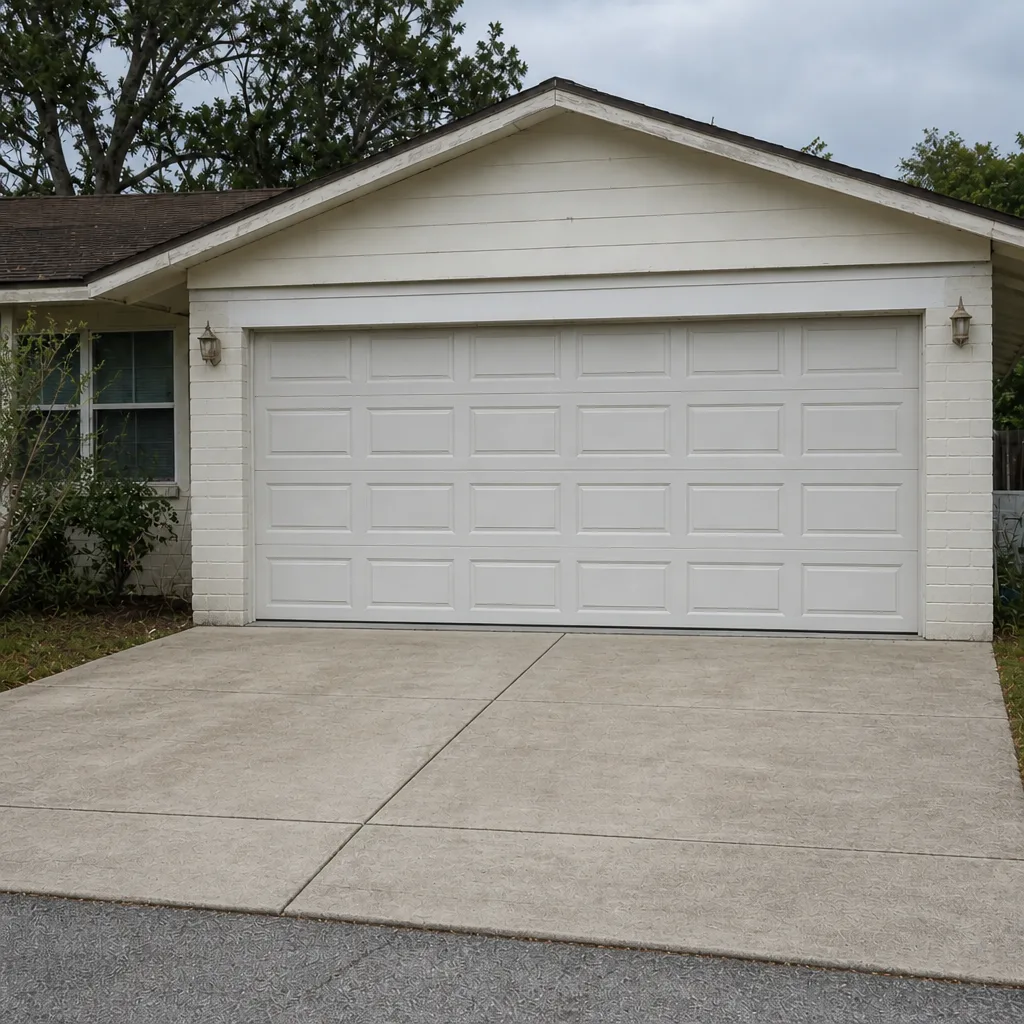
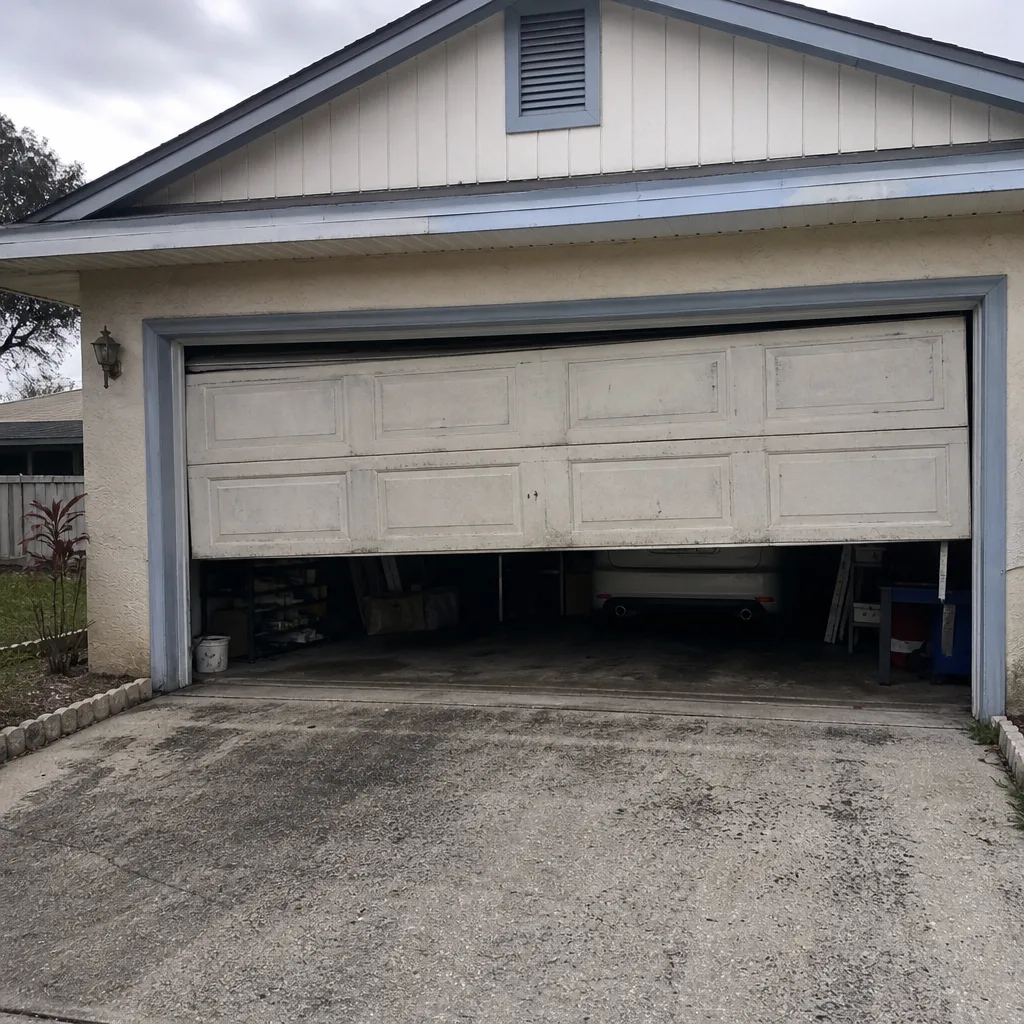
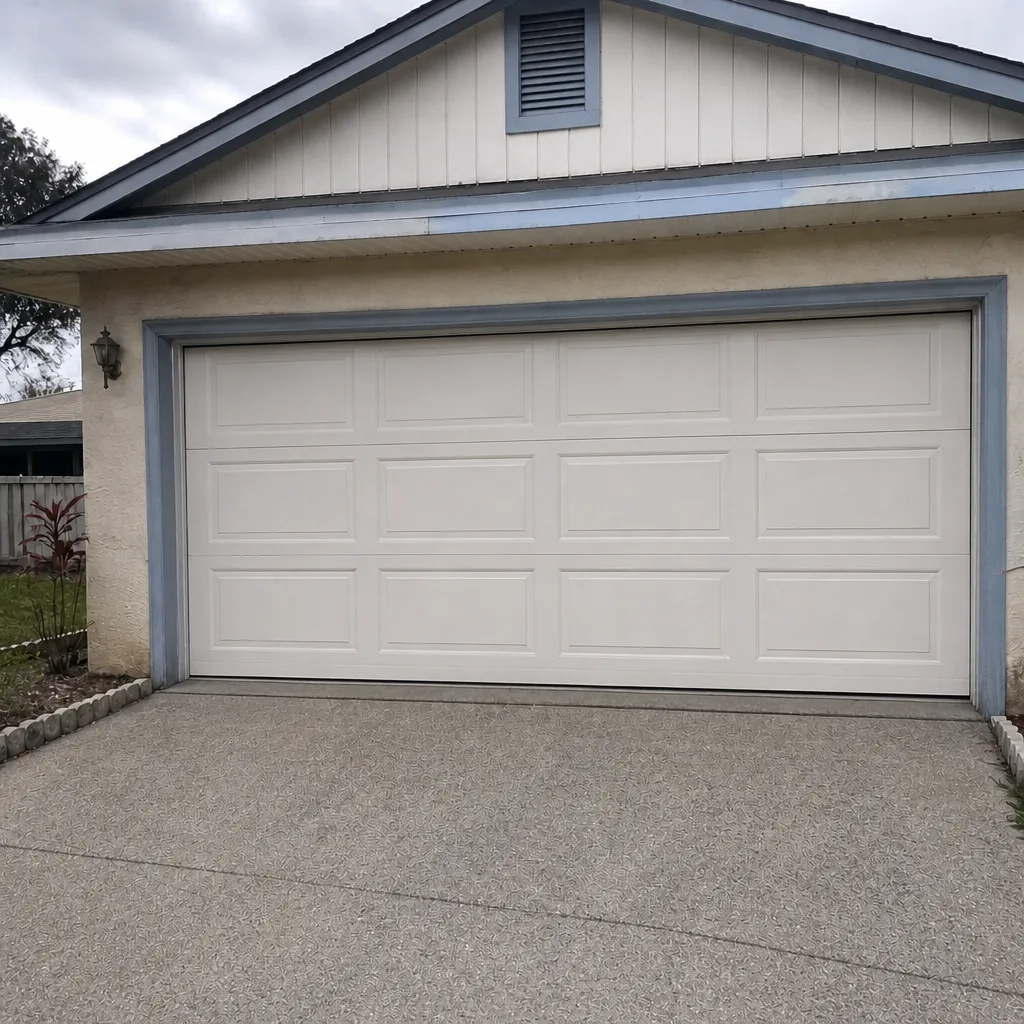
See the difference
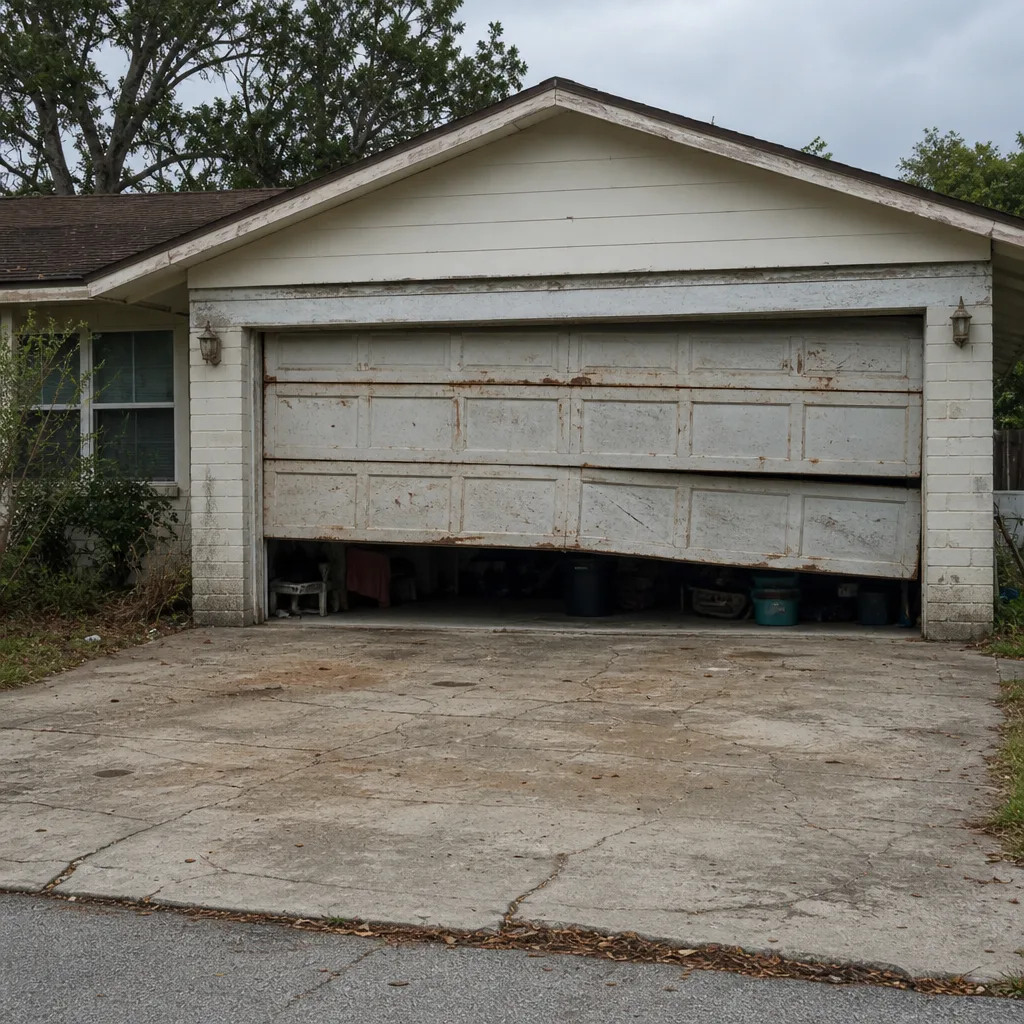 Before
 After
 Before
 After
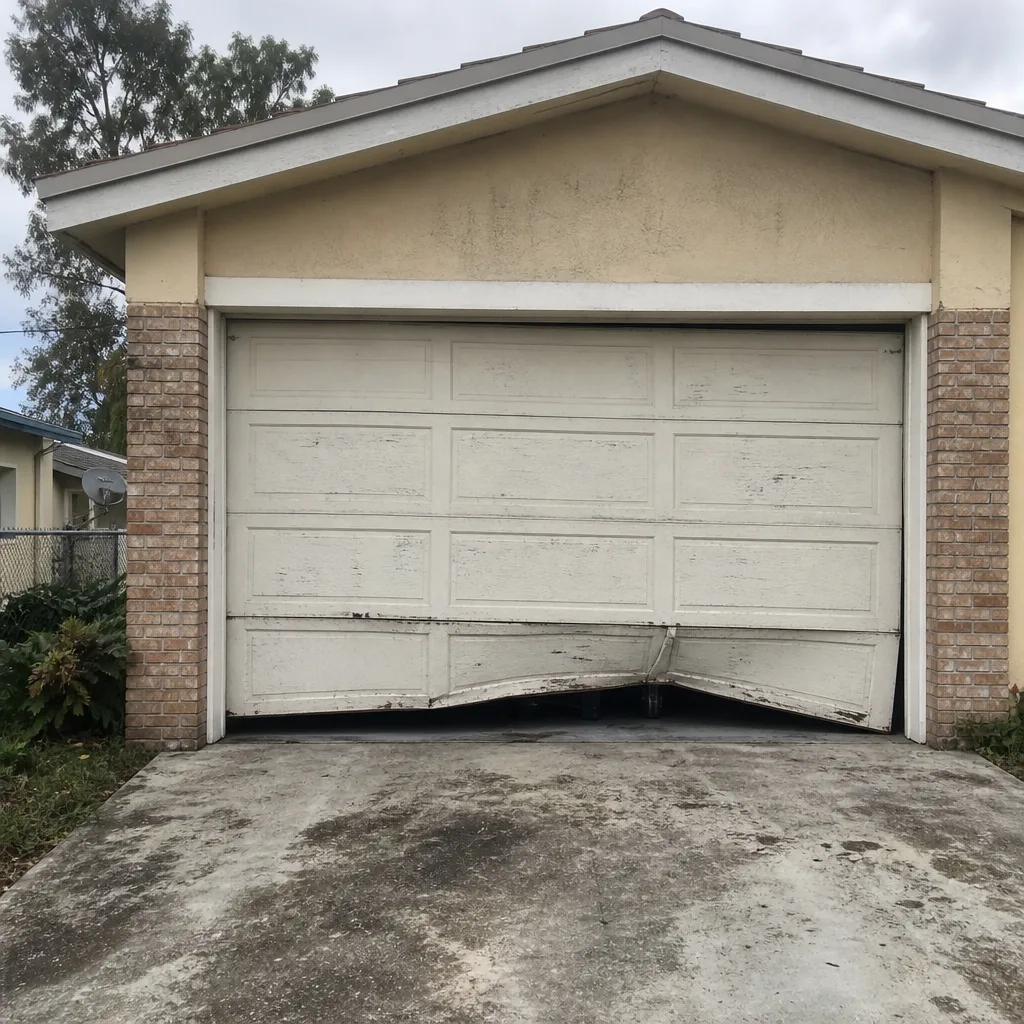 Before
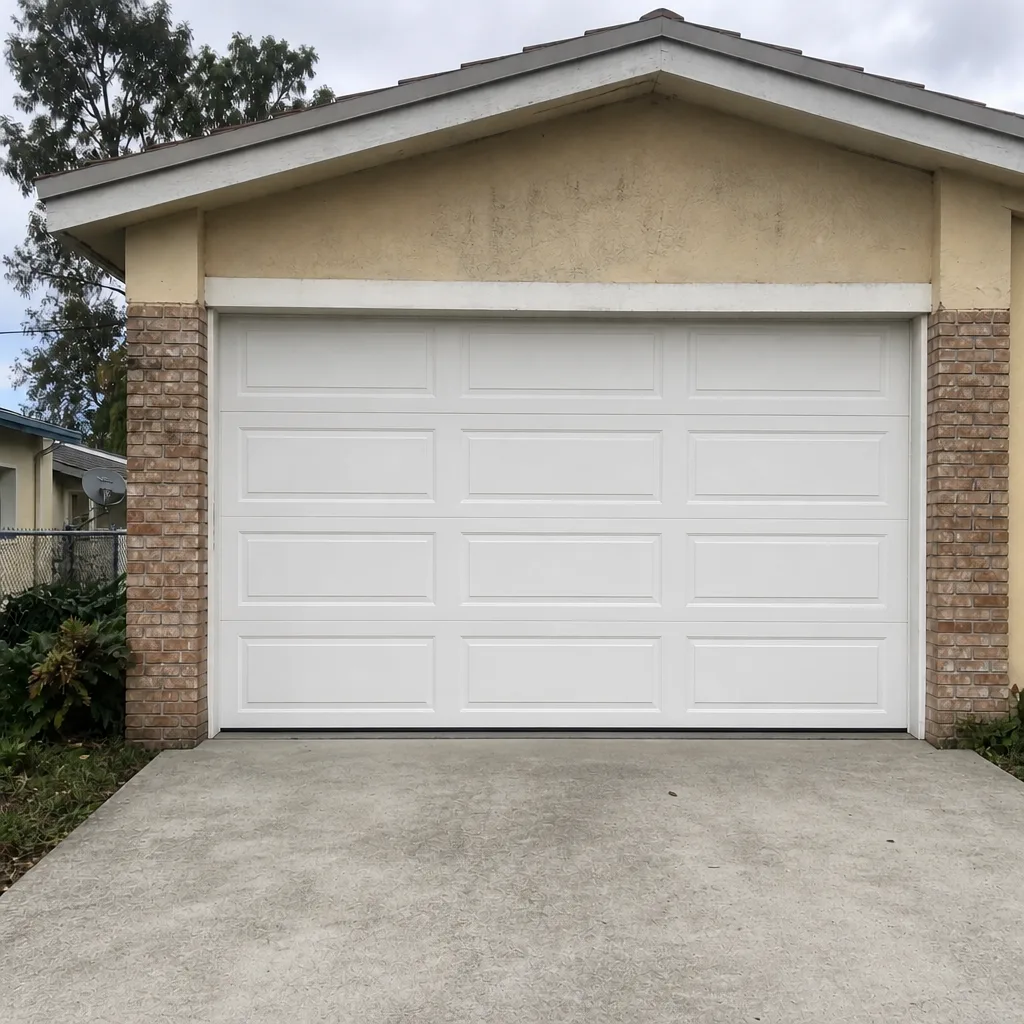 After
When to Call a Professional
Some problems are best fixed by a homeowner in five minutes. Others are genuinely dangerous to touch. Call a professional when: a spring has broken or the door has lost tension; the tracks are visibly bent or a roller is out of the track; the header bracket or mounting bolts look compromised; the door reverses unexpectedly or won’t close fully; the opener runs but the door doesn’t move after you’ve re-engaged the carriage; or you just aren’t sure what you’re looking at after a storm. You don’t need to diagnose it first – describing the symptom is enough. Boynton Beach Garage Door Repair Pros offers free estimates in Boynton Beach – call (866) 937-8319. We answer 24/7. Fast dispatch from 7am to 7pm, Sunday through Friday. The written estimate sets the price before any work begins, so nothing gets billed that wasn’t quoted and agreed in advance.
Frequently Asked Questions
First, check the power and the opener. If the opener’s light is on and the unit hums but the door doesn’t move, the carriage may be disconnected – pull the release cord, then re-engage it. If the opener has no power at all, release the door manually and open it by hand. If the door won’t lift by hand or lifts only a few inches, stop – the spring is likely broken, and that’s a call right away. Call (866) 937-8319.
Pull the red manual release cord hanging from the carriage on the opener rail, then lift the door by the bottom section. A properly balanced door lifts with modest effort. When power returns, lower the door fully, pull the release again to re-engage the carriage, and run the opener through one full cycle. Practice this once in daylight before you need it.
Only if you’ve locked it from the inside. Closing the door isn’t enough – engage the interior slide latch or locking bar, disconnect the opener if you’re leaving, and brace the door if your door’s manufacturer recommends it for your width. A locked door resists wind pressure far better than a door held only by the opener.
Don’t. When a track bends, it’s usually because something impacted the door hard enough to distort the frame, and straightening it by hand can pop rollers or warp the panels around it. Also, the door is still under spring tension even with the opener off. A technician can assess whether the track can be realigned or needs replacing. Call (866) 937-8319 for a free estimate in Boynton Beach.
Yes. A torsion spring is under hundreds of pounds of load, and a slipped spring can cause serious injury before a homeowner has time to react. This is one of the highest-risk repairs people try to do themselves, and it’s why we treat spring work as its own specialty rather than a general repair. If a spring breaks, don’t touch the door or the spring – call us.
A mounted flashlight near the manual release, spare batteries for keypads and remotes, a brightly tagged release cord, a printed opener manual, the manufacturer’s support number for your brand, and a small pry bar for debris. Add a written cheat sheet of the release and re-engagement steps. Keep it all in the garage, not the house.
The Bottom Line
Most garage door emergencies in Boynton Beach are predictable – they follow hurricane season, power outages, and the first cold week of winter. The three things that prevent the most disruption are learning the manual release and re-engagement procedure with the door closed, locking the door from the inside before you evacuate, and inspecting tracks, brackets, and the bottom seal before running the door after a storm. Practice the release once in daylight, build a short emergency kit that lives in the garage, and know the line between an adjustment you can make and a repair a trained technician needs to make. Boynton Beach Garage Door Repair Pros works on the brands in your garage – LiftMaster, Chamberlain, Genie, Clopay, Amarr, Wayne Dalton, Craftsman, and Raynor – and handles repair, opener repair, spring repair, and full installation under one call. Our technicians have up to 12 years of experience. When something goes wrong that you shouldn’t touch, Boynton Beach Garage Door Repair Pros is one call away. Reach us at (866) 937-8319 for a free estimate. We answer 24/7. Fast dispatch from 7am to 7pm, Sunday through Friday, and the written estimate sets the price before any work starts.
Written by the team at Boynton Beach Garage Door Repair Pros.