
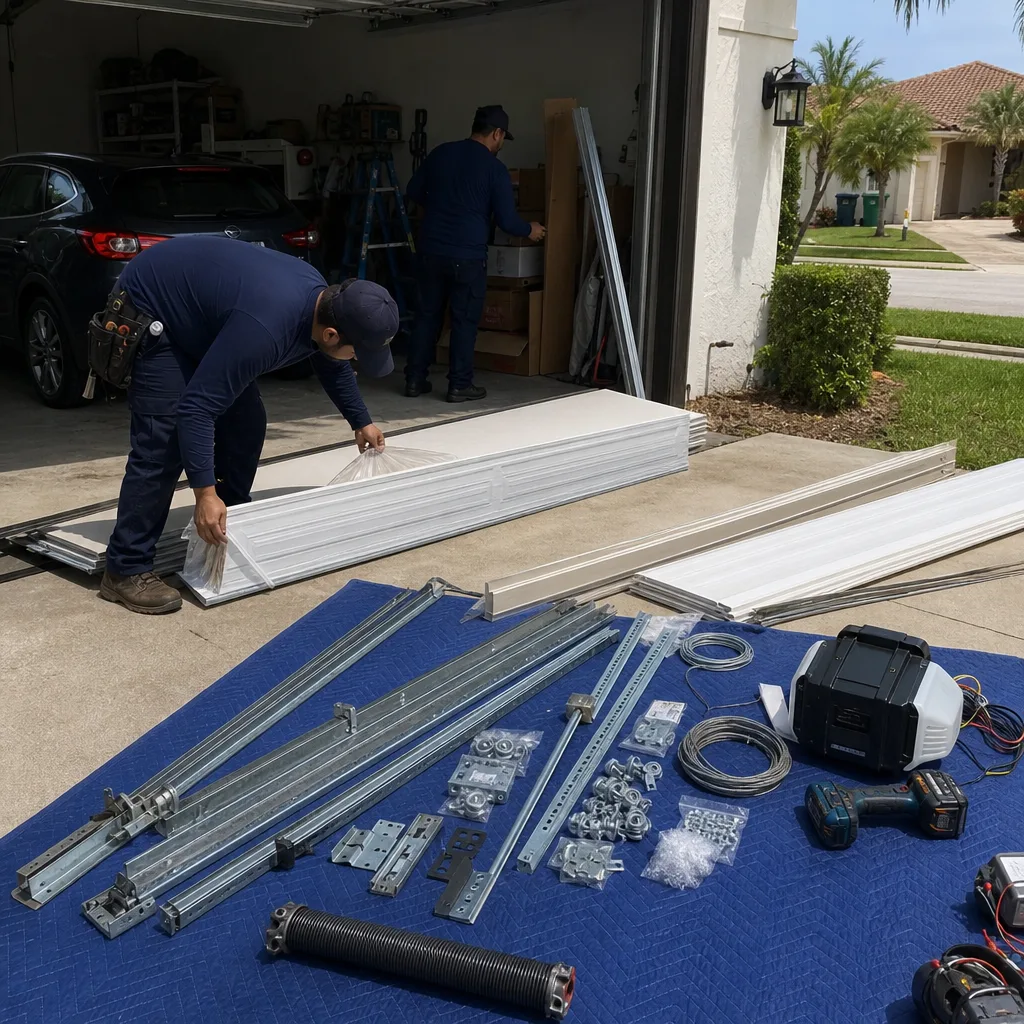
Last updated November 23, 2026
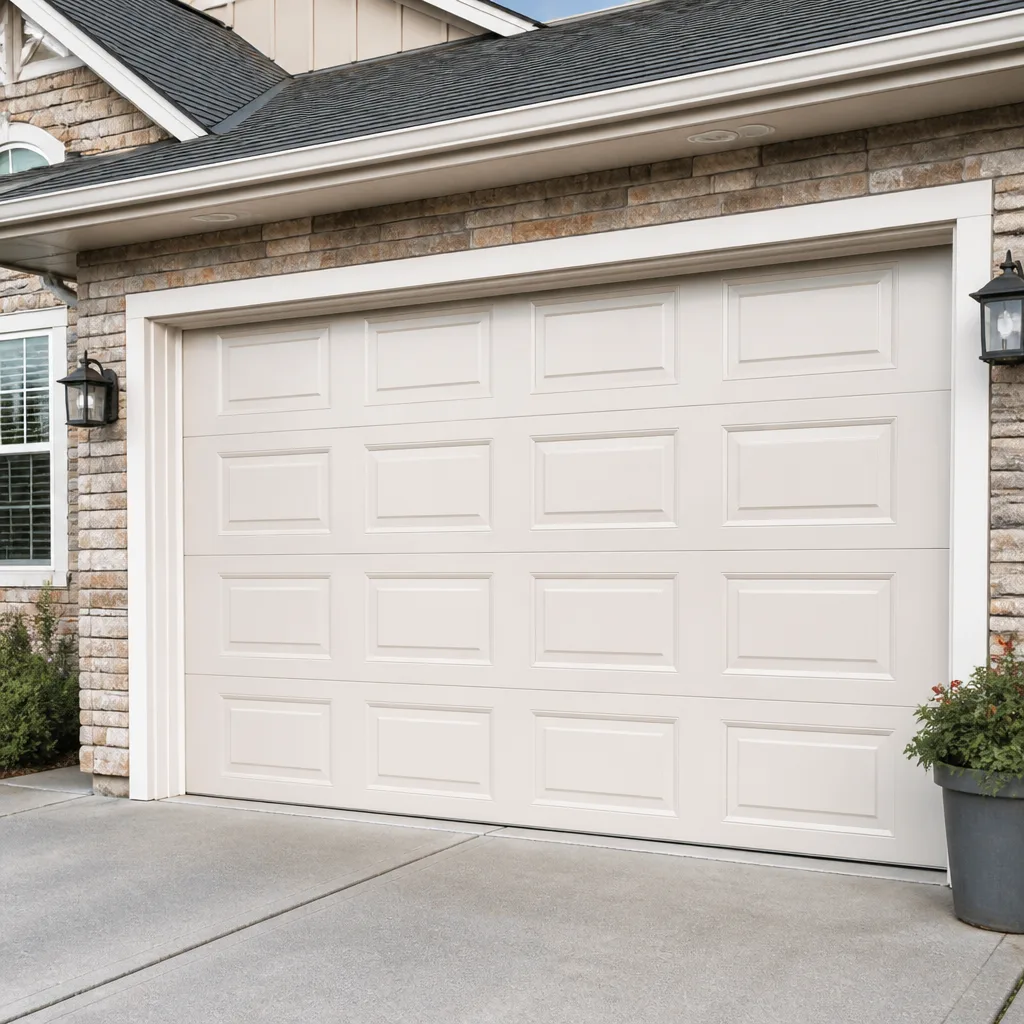 Raised-panel steel
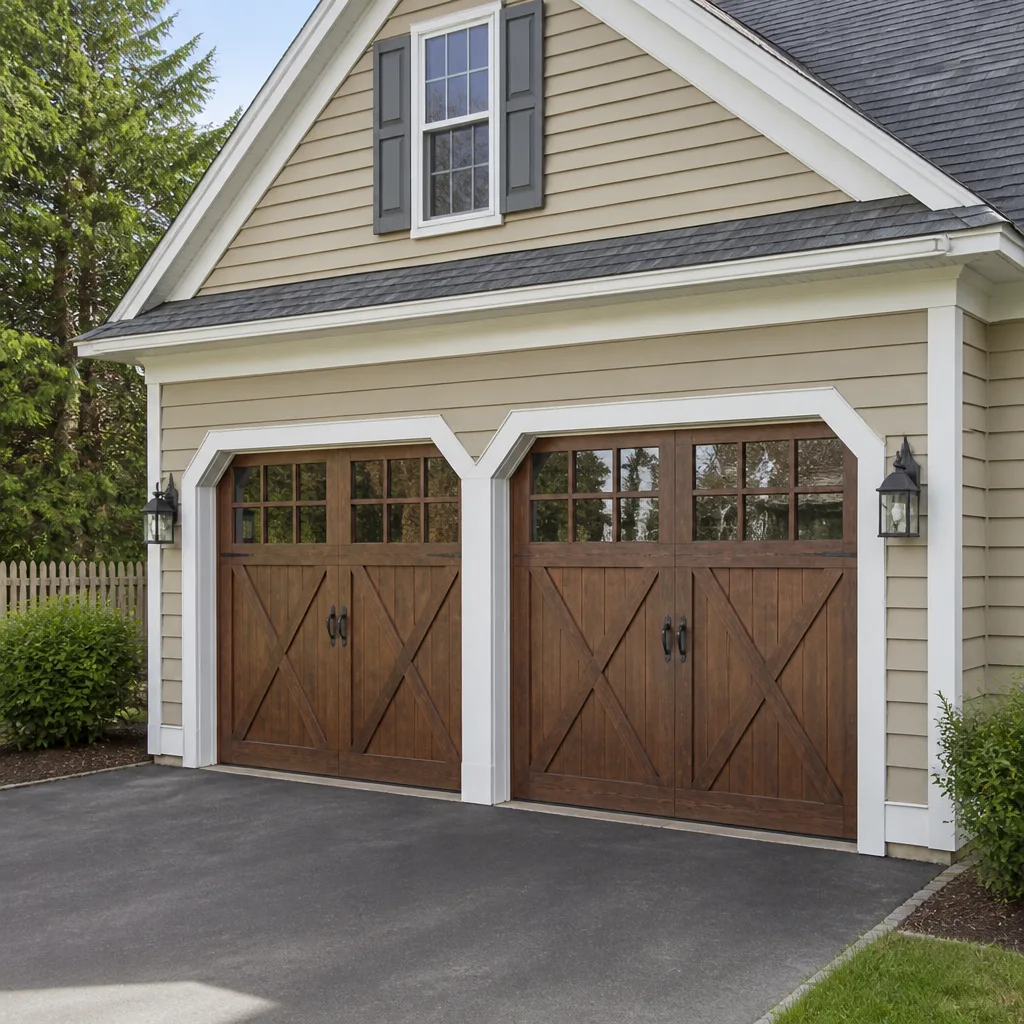 Carriage house
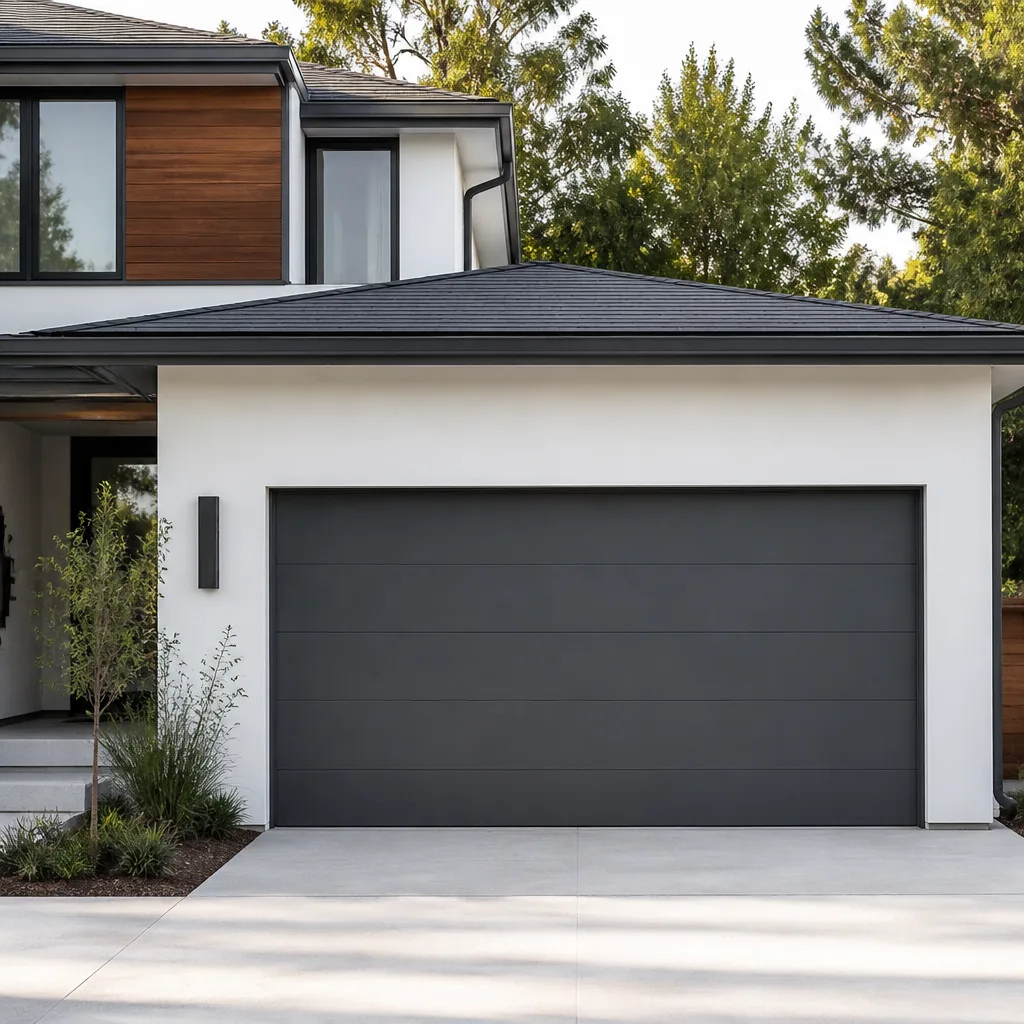 Modern flush
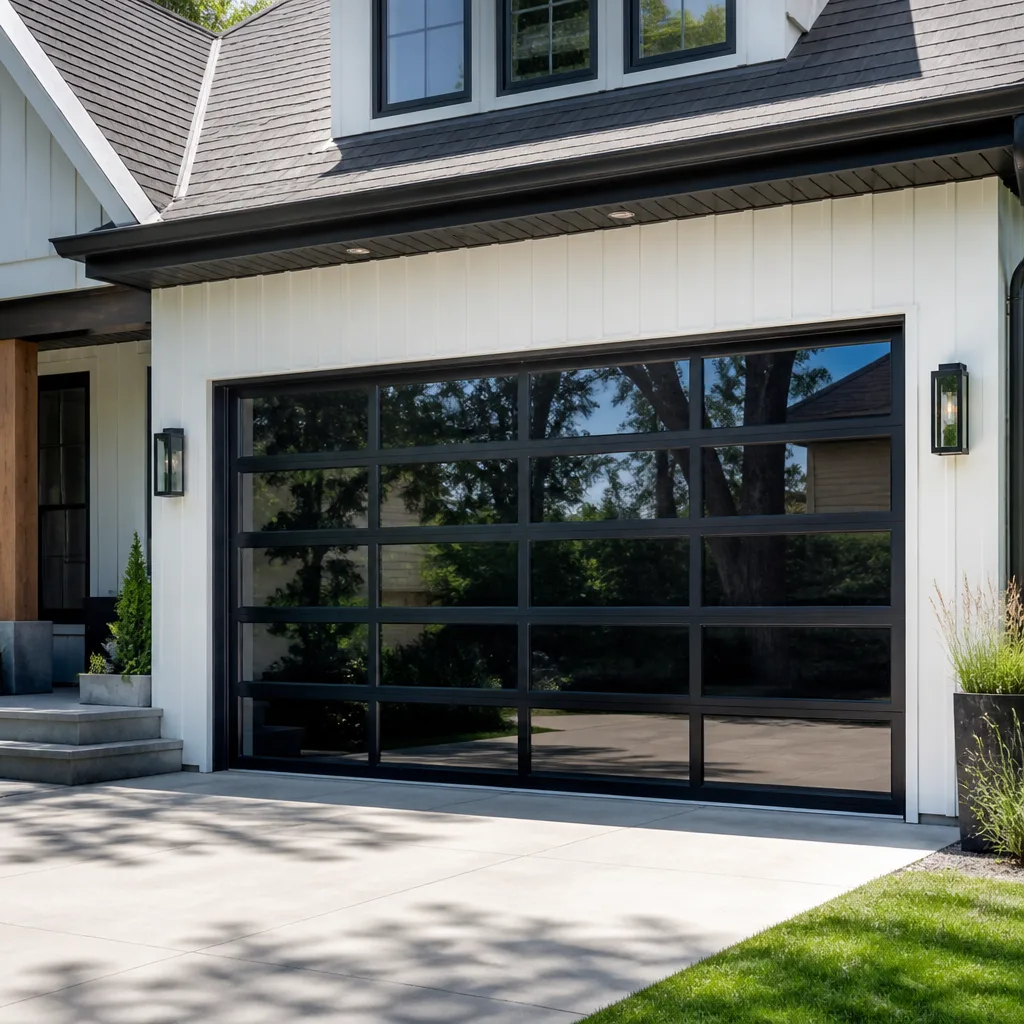 Full-view glass
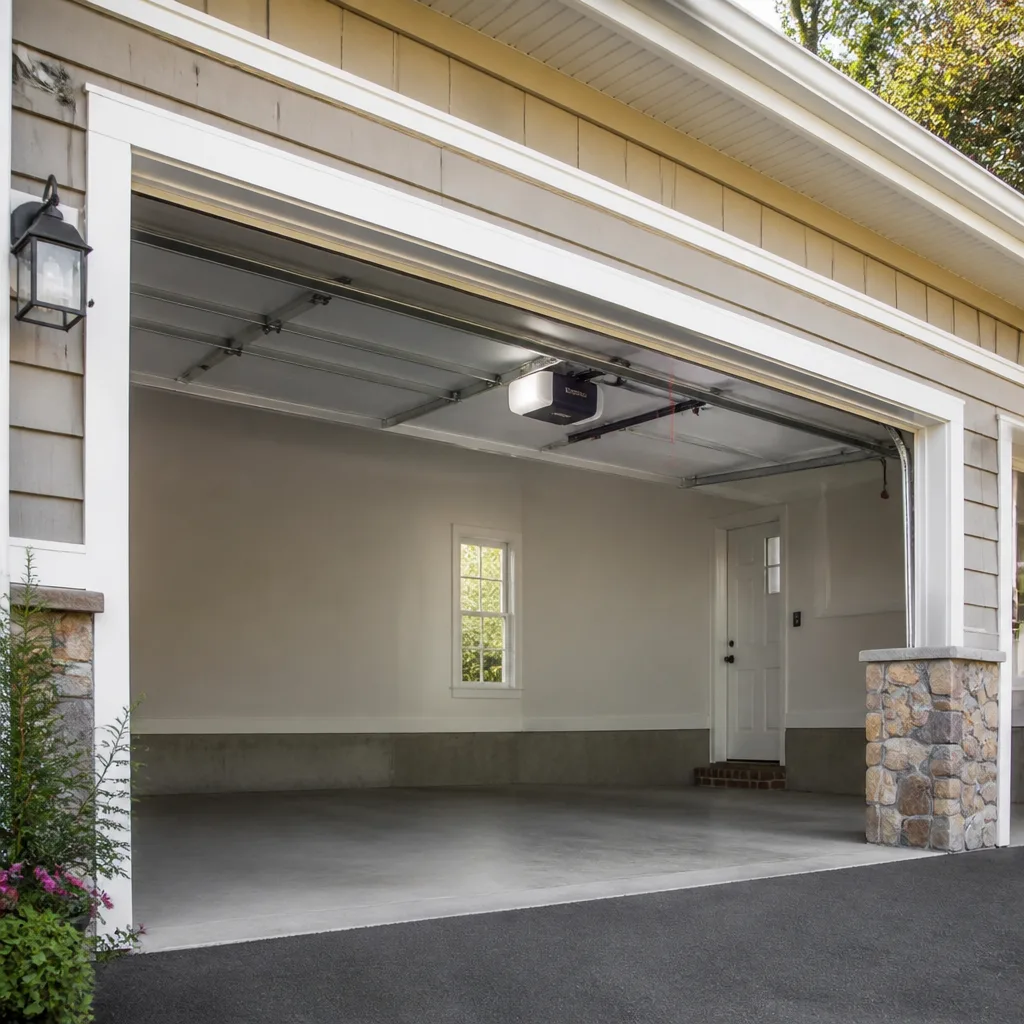 LiftMaster openers
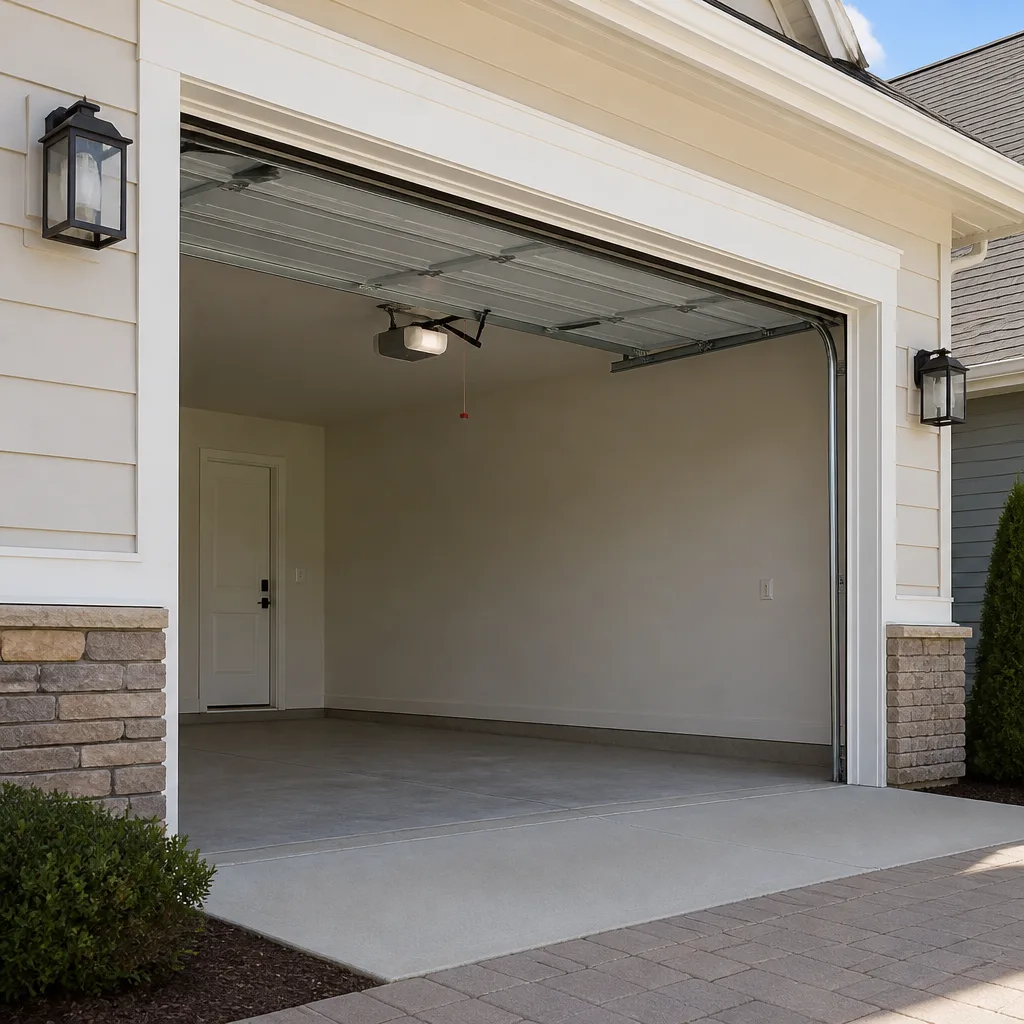 Chamberlain openers
Full 25-point door and opener safety check with every visit - springs, cables, rollers, tracks, and your LiftMaster or Chamberlain opener included
You get a price before we start. It does not change when the pro arrives.
Get your free estimateGarage Door Repair Maintenance Schedule: What to Do and When
The standard advice, lubricate your springs every six months, was written for a climate that gets cold winters. In Boynton Beach, that schedule leaves your door vulnerable exactly when storm season arrives. A door that’s been silently rusting through a humid summer doesn’t fail in March. It fails in September, with a hurricane in the forecast and your car trapped inside. The maintenance calendar most homeowners follow was built somewhere it freezes. Yours needs to be built here. What follows is a month-by-month schedule tied to South Florida’s real seasons, plus a clear line between what you can safely check yourself and what needs a trained specialist and the right tools.
Quick Answer
A garage door in Boynton Beach needs lubrication every three to four months rather than twice a year, a full hardware and corrosion inspection each spring before hurricane season, and a post-storm check every October. Springs, cables, and torsion hardware should be inspected by a professional once a year, and balance and load testing always belongs with a trained technician, never a homeowner.
Styles & brands we work with
- Raised-panel steel
- Carriage house
- Modern flush
- Full-view glass
- LiftMaster openers
- Chamberlain openers
Table of Contents
- Why a Florida Door Needs a Different Schedule
- The Month-by-Month Boynton Beach Maintenance Calendar
- Which Lubricants Actually Hold Up in South Florida Heat
- If You Live Near the Intracoastal or the Atlantic
- What You Can Inspect vs. What Needs a Professional
- Documenting Your Door’s Condition Over Time
- Why Brand Matters in Maintenance and Repair
- Common Mistakes to Avoid
- When to Call a Professional
- Frequently Asked Questions
Why a Florida Door Needs a Different Schedule
Garage door hardware lives outdoors, even when it’s attached to your house. That means the torsion spring, the rollers, the hinges, and the tracks are exposed to every humidity swing South Florida throws at them. Average relative humidity in this part of the state sits high for most of the year, and that constant moisture works on bare steel in a way that a cold-climate homeowner never deals with. Lubricant breaks down faster in sustained heat. Steel flash-rusts on track edges and hinge pins. And wind-driven rain during the wet months finds every unprotected seam.
The other half of the problem is storm season. A garage door is the largest moving opening on most homes, and hurricane preparation guidance in Florida repeatedly points to it as a weak point that needs bracing, rated hardware, or impact-rated panels. That means your maintenance cycle has to peak in late spring, not in fall. A door that’s rattling on worn rollers in May is a door you don’t want to test in August. Getting the schedule right in Boynton Beach means front-loading the heavy work before the first named storm and doing a full assessment once the season winds down.
There’s also the seasonal-occupancy factor. Plenty of homes in Boynton Beach sit closed up for stretches of the year, and a door that isn’t cycled regularly develops flat spots on the rollers, stiffens at the hinges, and dries out at the seals. If your door sits for weeks at a time, its maintenance cycle needs to be tighter, not looser, because you’re not catching problems through daily use.
The Month-by-Month Boynton Beach Maintenance Calendar
Here’s the schedule we recommend for a home in Boynton Beach and the surrounding areas. It’s built around two fixed anchors: pre-hurricane prep in May and post-storm inspection in October. Everything else spaces itself between them.
- January – Lubrication and balance check. Start the year with a full lubrication pass on hinges, rollers, and the torsion bar bearings. Cycle the door by hand and listen for uneven travel or grinding.
- February – Track and hardware inspection. Look for loose bolts on the hinges and brackets, and check that the vertical and horizontal tracks are clear of debris and still plumb.
- March – Weather seal review. The bottom seal and the side jambs take a beating from heat and sun. Check for cracking, flattening, or gaps that let water and insects in.
- April – Safety feature test. Test the photo-eye sensors and the auto-reverse function. This is non-negotiable before storm season, when the door gets used under stress.
- May – Pre-hurricane preparation. This is the big one. Full hardware inspection, confirm any bracing or rated panels are sound, check the opener’s force settings, and book a professional inspection if anything looks questionable.
- June through September – Monitor and lubricate. Cycle the door, keep an eye out for new noises, and re-lubricate hinges and rollers roughly every four to six weeks through the hottest stretch.
- October – Post-storm inspection. After the season peaks, do a full walkaround: bent tracks, misaligned panels, water intrusion, and any rust that appeared over the summer.
- November – Opener service. Clean and inspect the opener, test the safety reverse, and check the manual release. Wear on opener gears and belts shows up most in the fall after a busy summer.
- December – Year-end professional review. Book a professional inspection to check spring tension, cable condition, and the drum and bearing assembly. These are the parts that shorten a door’s life when they go bad unnoticed.
The reason the cycle is heavier in the warm months isn’t arbitrary. Heat accelerates lubricant breakdown, and humidity accelerates corrosion. Both peak together in South Florida’s summer, so the maintenance cadence has to follow. If you want the repair-side picture of what these inspections catch, our guide to garage door repair covers the failures we see most often.
Which Lubricants Actually Hold Up in South Florida Heat
The wrong lubricant is worse than no lubricant. In a hot, humid climate, some products attract and hold grit, turning a smooth roller into a grinding one within a few weeks. Others thin out and run off at temperatures that a garage interior reaches regularly. Here’s how the common products sort out.
- White lithium grease: Works on hinges and bearing plates, but be careful. In heat it can soften and migrate, and once it collects dust it forms a paste that accelerates wear. Use it sparingly on metal-to-metal contact points only.
- Silicone spray: A good choice for tracks and for the weather seal. It doesn’t attract dirt and it stays put through humidity without gumming up. It’s not a good choice for high-load points like hinges, where it wears off quickly.
- Garage-door-specific spray lubricant: Usually the safest all-around option for rollers and hinges because it’s formulated to resist washout and not collect grit.
- WD-40 (the standard multi-use product): Not a lubricant for this job. It’s a solvent and water displacer. It will quiet a squeak for a few days, then leave the part drier than before. Avoid it on rollers and hinges.
- Motor oil or general-purpose grease: Too heavy for rollers and tracks in this climate. It attracts grit and holds it against the moving surfaces.
Never lubricate the springs themselves in a way that leaves them wet with an oil that grabs dirt. A light film of a purpose-made spray is fine on the torsion bar; a coat of grease on the spring coil is not. And never lubricate the opener’s drive belt or the inside of the track channel, since both will slip or collect debris.
For humidity, the rule that matters most is frequency. In Boynton Beach, a three- to four-month lubrication cycle is more realistic than the twice-a-year interval that gets repeated online. If you’re near the water, tighten that further, as covered below.
If You Live Near the Intracoastal or the Atlantic
Homes within about two miles of the Intracoastal Waterway or the Atlantic face a shorter maintenance cycle than homes further inland. Airborne moisture and fine salt carried on prevailing breezes settle on bare steel overnight and drive corrosion much faster than inland humidity alone. If your property sits in that band, the schedule compresses.
The changes that matter most:
- Corrosion check every two months instead of four. Look at hinge pins, roller stems, the bottom bracket, and any exposed steel on the track.
- Paint touch-ups on hardware. A chip in the finish is where rust starts. Catch these early and touch them up with a matching metal paint.
- Faster weather seal replacement. Seals dry out and crack more quickly near the coast, and a failing seal lets moisture into the door’s interior, where it does the most damage.
- Track cleaning. A wipedown with a dry cloth removes the fine grit that settles on the track and works into the rollers.
If you’re in a neighborhood close to the water, like the areas around Ocean Ridge or the stretch along Federal Highway near the Intracoastal, plan on the tighter version of this schedule. It costs a little more in lubricant and time, but it’s cheaper than replacing corroded hardware. When corrosion gets ahead of you, the wear shows up first in the springs and cables, and that’s a job for a specialist. Our garage door spring repair service is exactly where those inspections lead when they find a problem.
What You Can Inspect vs. What Needs a Professional
There’s a clear line between a task you can safely do with a rag, a spray can, and a flashlight, and one that requires a trained hand and the right tools. Crossing that line is how homeowners get hurt. Here’s the split we explain to every homeowner who asks.
Safe for You to Inspect
- Visual check of the tracks for bends, dents, or debris
- Listening for unusual noise during operation
- Testing the photo-eye sensors with an object in the path
- Testing the auto-reverse function with a light obstruction
- Inspecting the weather seal and bottom gasket for cracks
- Checking that hinges and brackets are tight with a wrench
- Looking for rust spots and noting their locations
Needs a Professional
- Spring tension checks and replacements. Torsion springs are under extreme tension. A mistake at the wrong moment can cause serious injury, and there’s no way to safely test them by feel.
- Cable inspection and replacement. Cables carry the door’s full weight. Fraying or a loose cable is a stop-using-the-door situation.
- Balance and load testing. A trained technician does this with the door disconnected from the opener and measured against the correct spring tension. You can’t evaluate it from outside.
- Opener force adjustment. Modern openers, whether Clopay, Amarr, Wayne Dalton, or Craftsman hardware, have force settings that need a proper load test to set correctly. Getting it wrong either strains the door or compromises the safety reverse.
- Panel and structural checks. Any bent panel, sagging section, or misaligned track needs a professional to assess whether it needs repair or replacement.
The reasoning behind the split is simple. Springs and cables store and release enormous energy. When one lets go, the sound is like a gunshot and the parts move faster than you can react. A trained professional knows how to release tension safely and has the correct winding bars and procedure. That’s not a skill you pick up from a video, and it’s not a job worth learning on your own door. Spring repair is one of the most frequently attempted and most frequently botched home repairs, which is why we offer it as a named, specialized service.
Documenting Your Door’s Condition Over Time
A maintenance schedule is more useful when you leave a paper trail. When a technician arrives for the first time and you can show them which parts have been replaced, when the noise started, and where the rust first appeared, they can spot a deterioration trend instead of starting from zero. That saves time and often catches a wear pattern before it turns into a failure.
Here’s a simple way to keep the record:
- Start a single notes file or a physical notebook. One place, not scattered across texts and receipts.
- Photograph the door and hardware at the same angle each season. A photo of the hinge and spring assembly now, next to one from last year, tells a story that a memory can’t.
- Note each lubrication date and the product used. Over time you’ll learn which product lasts in your specific location.
- Write down any new sound, uneven travel, or hesitation and the date it started. “Started grinding after a storm in September” is the kind of detail that points a technician straight to the problem.
- Keep a receipt or note of every replaced part. Rollers, hinges, and weather seals all have expected lifespans, and knowing when they were last replaced helps plan the next cycle.
- Note any professional inspection dates and findings. Keep the notes from each visit; a trend of “springs near end of life” on two consecutive visits is a clear signal.
If you keep this record, our technicians can walk in, look at six months of your notes, and know exactly where to look first. That’s better for the door and better for your time. If you need opener service between inspections, our garage door opener repair page covers what we address.
Why Brand Matters in Maintenance and Repair
Garage door hardware isn’t universal. A Clopay door’s panel construction and hardware attachment points differ from an Amarr or a Wayne Dalton door, and the correct lubrication points, the correct force settings, and the correct replacement parts all depend on knowing the system. The same applies to the opener. A Craftsman opener’s force adjustment procedure isn’t the same as a LiftMaster’s, and a Genie’s travel limits need to be set to its own specification.
Our technicians work on eight major garage door and opener brands: LiftMaster, Chamberlain, Genie, Clopay, Amarr, Wayne Dalton, Craftsman, and Raynor. That’s why our maintenance inspections aren’t generic. When we check a door, we’re checking it against the manufacturer’s design and expected part wear for that specific system, not against a generic checklist. If a Clopay roller assembly is at end of life, we know the correct replacement. If a Wayne Dalton door has an unusual hinge assembly, we know how it’s supposed to seat. That level of familiarity means fewer trips, fewer wrong parts, and a faster diagnosis when something’s off.
It also matters for maintenance itself. Some brands specify different service intervals or lubricant recommendations in their documentation. Following those is better than guessing. If you’re not sure what brand your door or opener is, a technician can usually identify it on sight from the hardware and labeling, and once that’s known, your maintenance schedule can be tuned to it.
Common Mistakes to Avoid
We’ve seen the same handful of problems on door after door. Here’s the list, in the rough order of how often they cause damage.
- Following a northern climate schedule. The twice-a-year lubrication interval most sites recommend was written for cold weather. In Boynton Beach, three to four months is more realistic. If you’re near the water, even tighter.
- Using WD-40 on hinges and rollers. It quiets the noise for a few days then leaves the part drier. It’s a solvent and water displacer, not a lubricant for moving parts.
- Greasing the springs or tracks. A coat of grease on the springs attracts grit and holds it, accelerating wear. Grease in the track channel collects grit and interferes with the rollers.
- Ignoring a new noise. A grinding roller, a popping hinge, or a door that hesitates at the top of travel is telling you something. Catching it early often limits the repair to a single part.
- Attempting to adjust or replace springs. Springs and cables need proper tools and training. This is one of the most frequently attempted and most frequently botched repairs we see, and a failed DIY attempt can be dangerous.
- Skipping pre-hurricane prep. A door that hasn’t been inspected before storm season is a door you don’t know the condition of when you most need it to work. Book the May inspection.
- Writing nothing down. A maintenance log made from memory is worth little. A photo and a date are worth a lot.
If you’ve already made one or more of these, no harm done. Most are recoverable, and a professional inspection will tell you exactly what condition the door is in. Head back to our Boynton Beach Garage Door Repair Pros page for the full picture of what we work on.
When to Call a Professional
Some things clearly need a technician. If the door won’t open, the door is stuck partially open, or you hear a loud snap and the door drops suddenly, stop operating it and call. That snap is usually a spring failing, and running the opener on a broken spring can damage the panel and the opener. If the door is off its tracks, sagging, or the opener is running but the door isn’t moving, that’s a professional call. If you see fraying on the cables or the door has visible rust-through, schedule an inspection. And if the door is overdue for a full spring and cable inspection, we recommend booking it before the next storm season rather than waiting for a failure.
Boynton Beach Garage Door Repair Pros offers free estimates in Boynton Beach. Our technicians have up to 12 years of experience and work across eight major brands, from LiftMaster and Chamberlain to Clopay and Amarr. We answer 24/7, with fast dispatch from 7am to 7pm, Sunday through Friday. Call (866) 937-8319 and we’ll get you an estimate and a written price before any work begins.
Frequently Asked Questions
Every three to four months is the realistic interval in Boynton Beach because heat and humidity break lubricant down faster than in a cooler climate. Homes within two miles of the Intracoastal or the Atlantic should lubricate about every two months. Use a purpose-made garage door spray lubricant, not WD-40 or motor oil, and never grease the springs or track channel. Call (866) 937-8319 if you’d like a professional check of your current lubrication and hardware condition.
No. Springs and cables are under extreme tension, and releasing them incorrectly can cause serious injury. That’s why we offer spring repair as a specialized service and recommend a trained technician for any spring or cable work. If a spring has snapped or is clearly at the end of its life, don’t run the opener and don’t try to remove the part. Call (866) 937-8319 for an estimate.
May is the best month because it sits just before the peak of storm season and gives you time to address any issues before a named storm arrives. A May inspection covers hardware, tracks, the weather seal, the opener, and the safety reverse. If you missed May, book as soon as you can; a door that hasn’t been checked before the season is a door you can’t count on. Call (866) 937-8319 to schedule an inspection.
No. The written estimate you receive before any work starts is the price you pay for that job. We quote the work and you approve it in writing before we begin. If we discover additional issues during the job, we tell you and get your approval before proceeding; we don’t add parts or labor to the invoice without explaining why. Call (866) 937-8319 for a free estimate.
The local professionals we connect you with are licensed and insured as their state requires, and they work on eight major garage door and opener brands including LiftMaster, Chamberlain, Genie, Clopay, Amarr, Wayne Dalton, Craftsman, and Raynor. Our technicians have up to 12 years of experience. Call (866) 937-8319 for an estimate.
You can safely handle lubrication, visual checks, sensor testing, and the maintenance log yourself. Anything involving spring tension, cable condition, balance testing, opener force adjustment, or panel and track alignment should go to a professional because those tasks require specific tools and training. A once-a-year professional inspection catches the wear your visual checks can’t see. Call (866) 937-8319 to book a free estimate.
The Bottom Line
A garage door maintenance schedule in Boynton Beach has to follow the local seasons, not a generic online checklist. Lubricate every three to four months instead of twice a year. Run a full inspection in May before hurricane season and again in October after it. Tighten the schedule further if you’re near the water. Keep a record of every check, product, and part so a technician can spot a trend instead of starting from scratch. And for anything involving springs, cables, balance, or opener force settings, call a professional. It’s the difference between a door that keeps working and one that quits when you need it. Boynton Beach Garage Door Repair Pros provides free estimates on repair, opener service, spring repair, and full installation. Call (866) 937-8319. We answer 24/7, with fast dispatch from 7am to 7pm, Sunday through Friday, and the price is quoted and agreed before any work starts.
Written by the team at Boynton Beach Garage Door Repair Pros.
See the difference
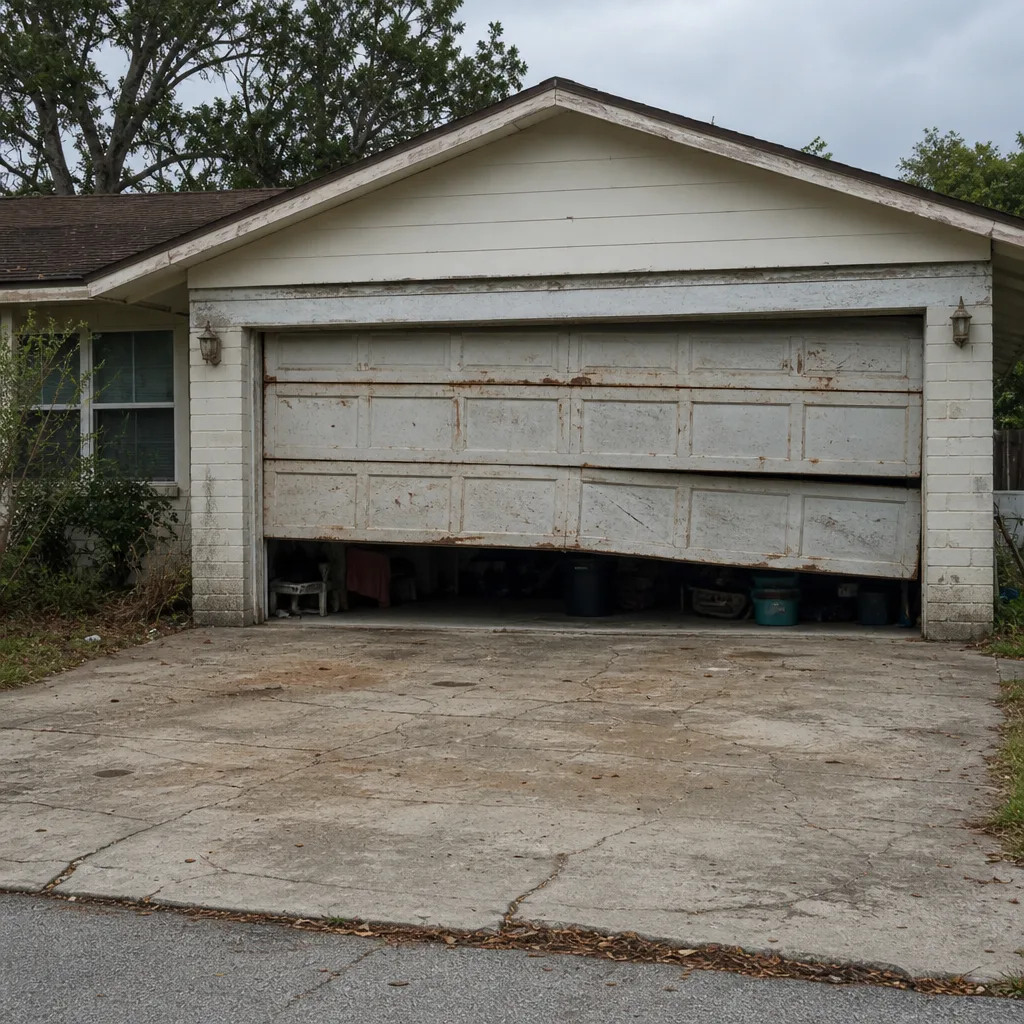 Before
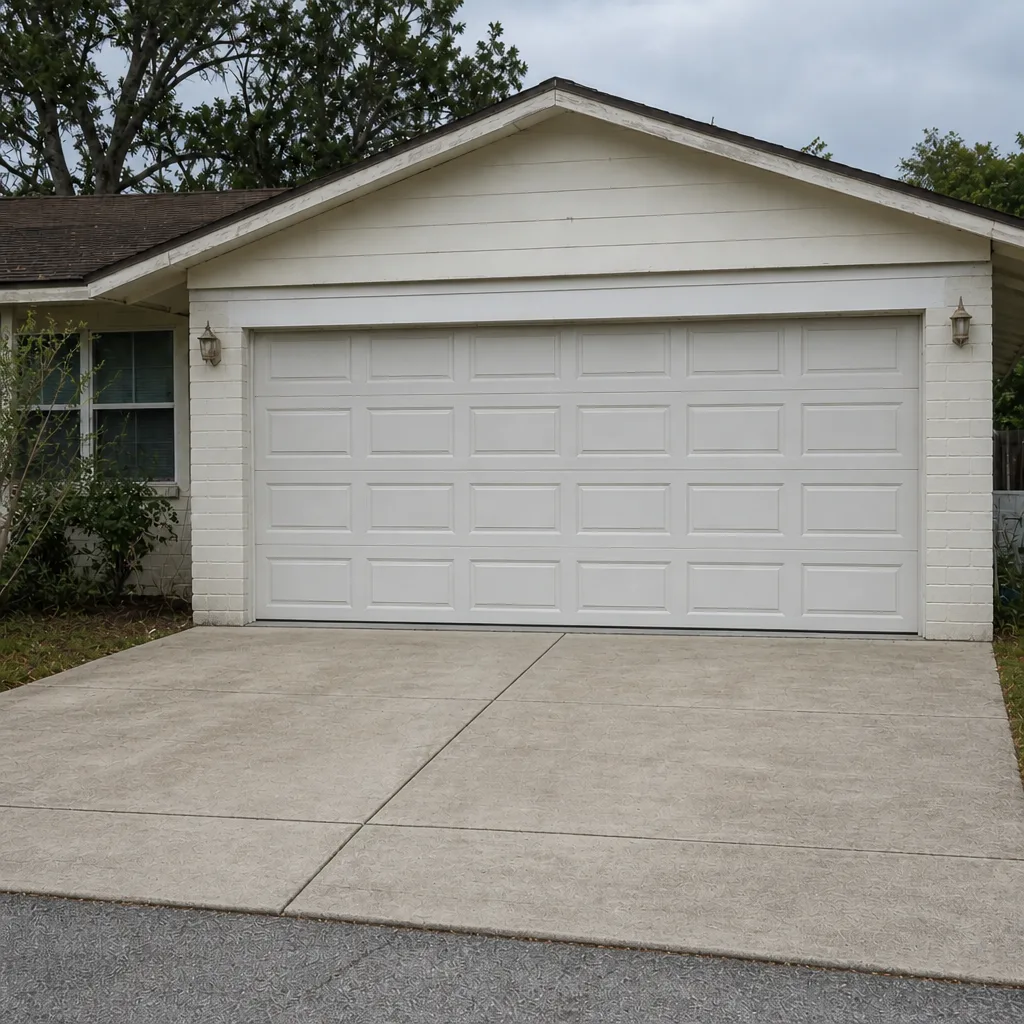 After
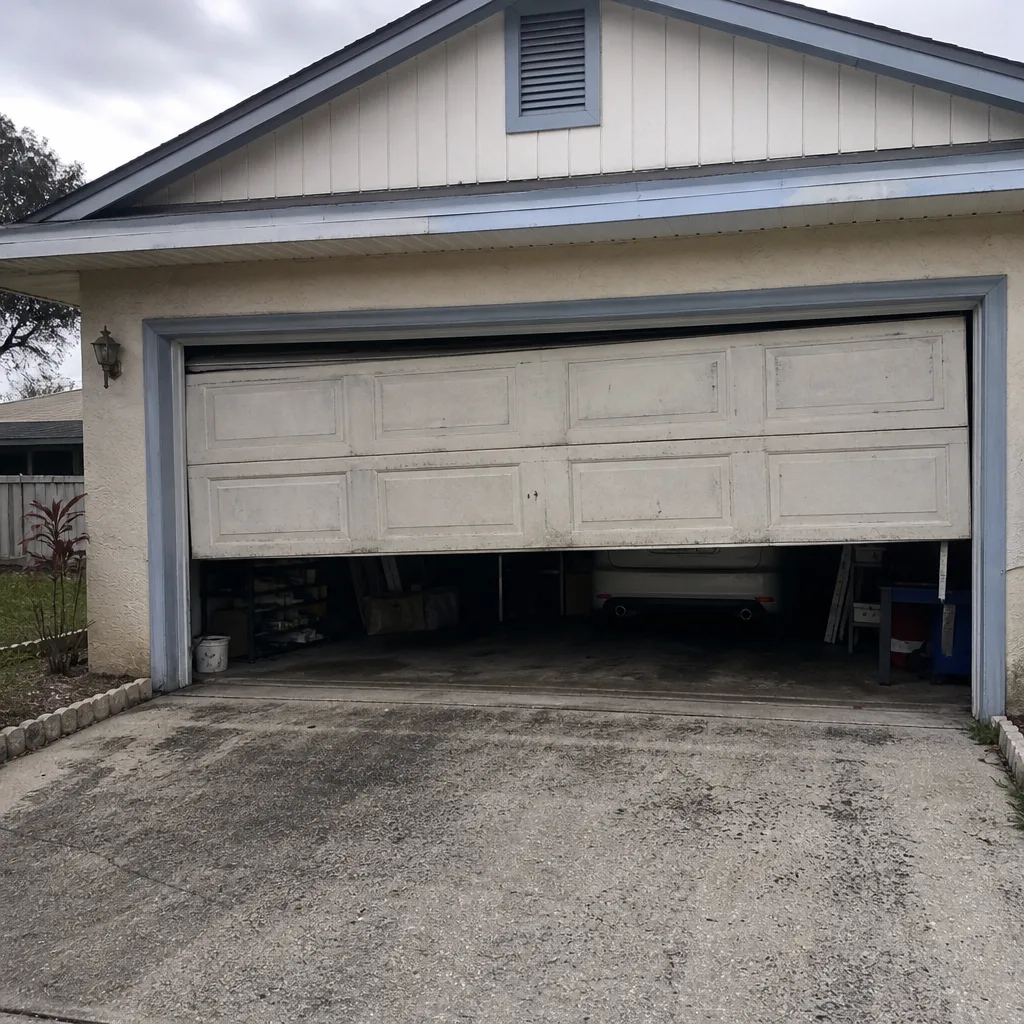 Before
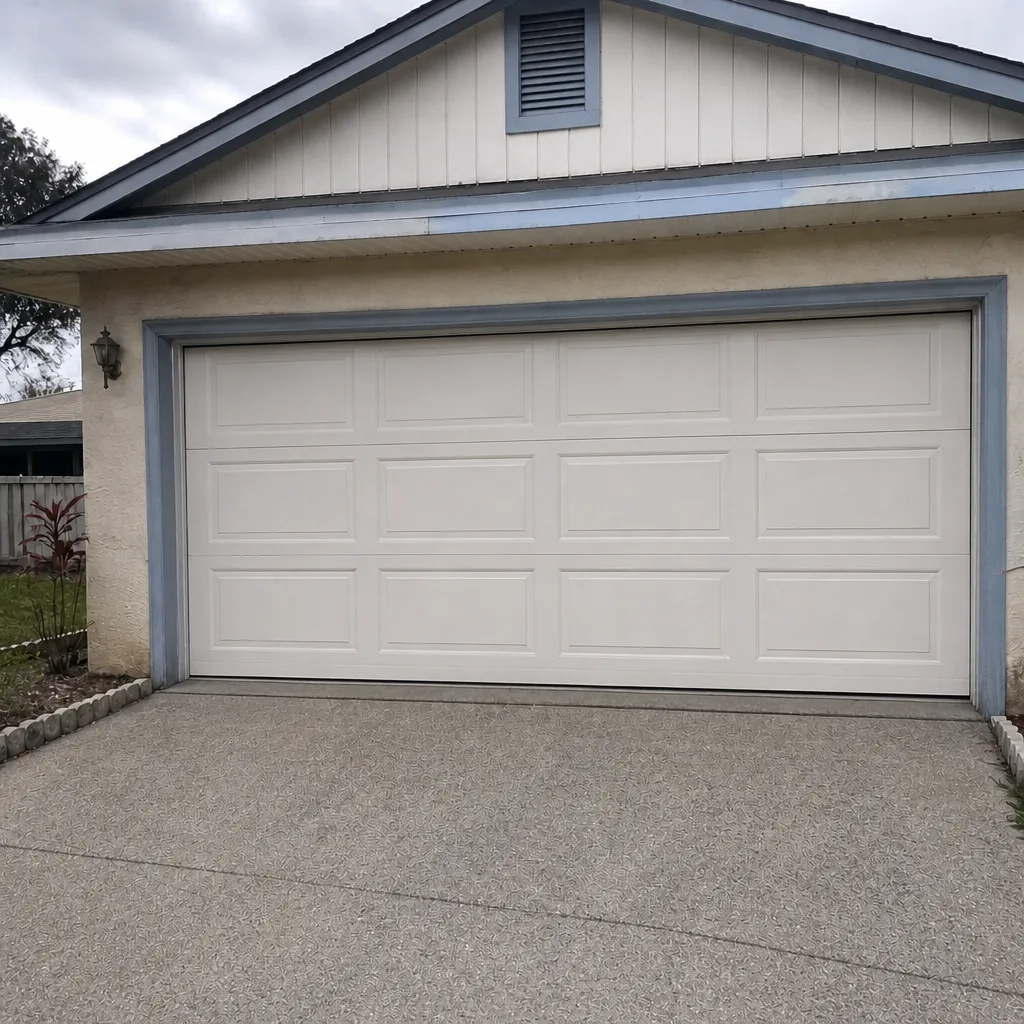 After
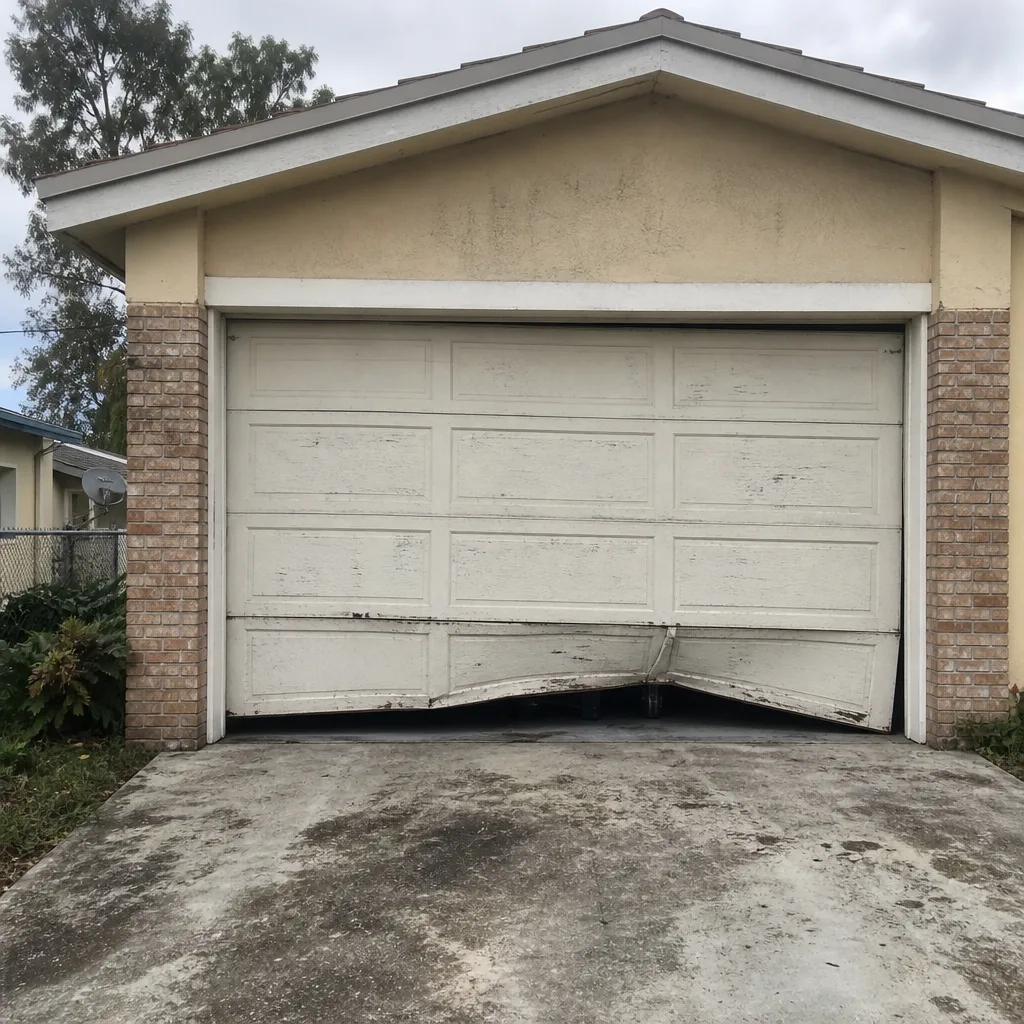 Before
 After