
Last updated November 23, 2026
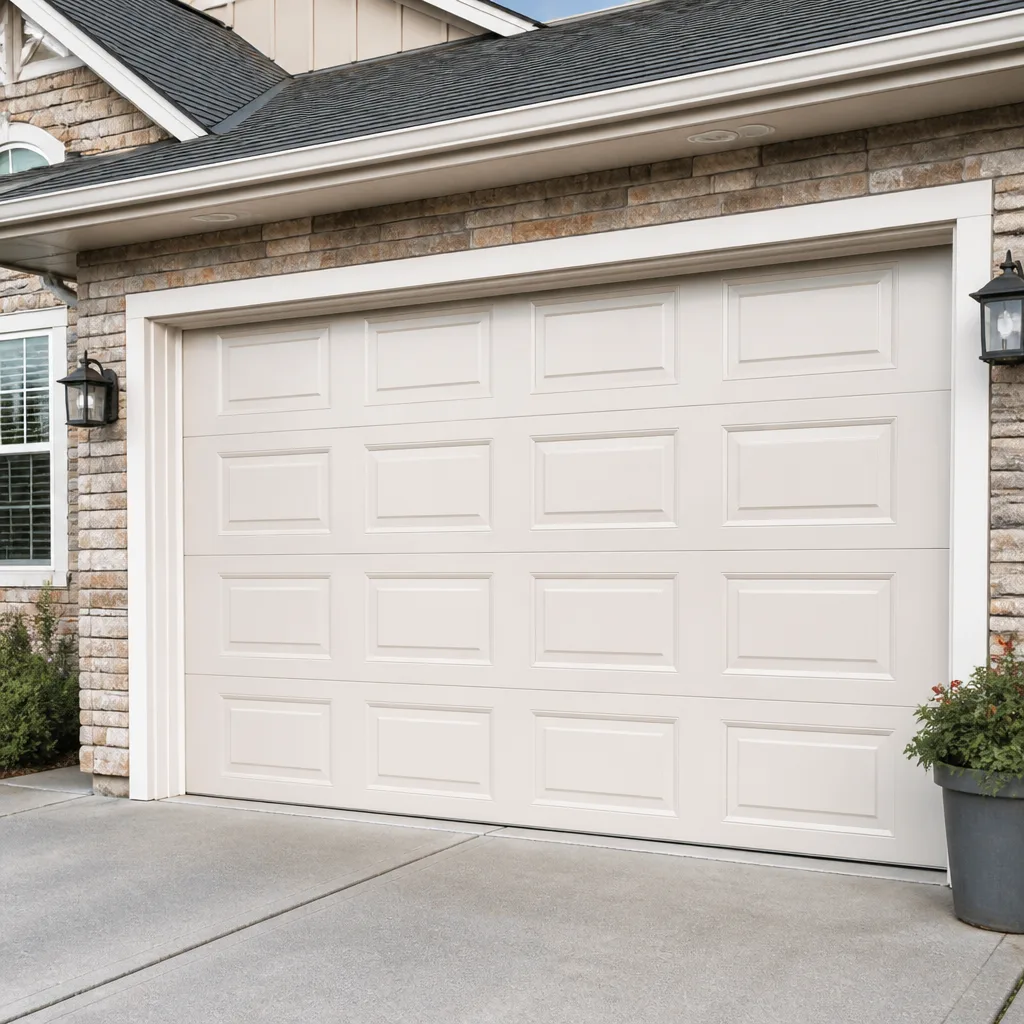 Raised-panel steel
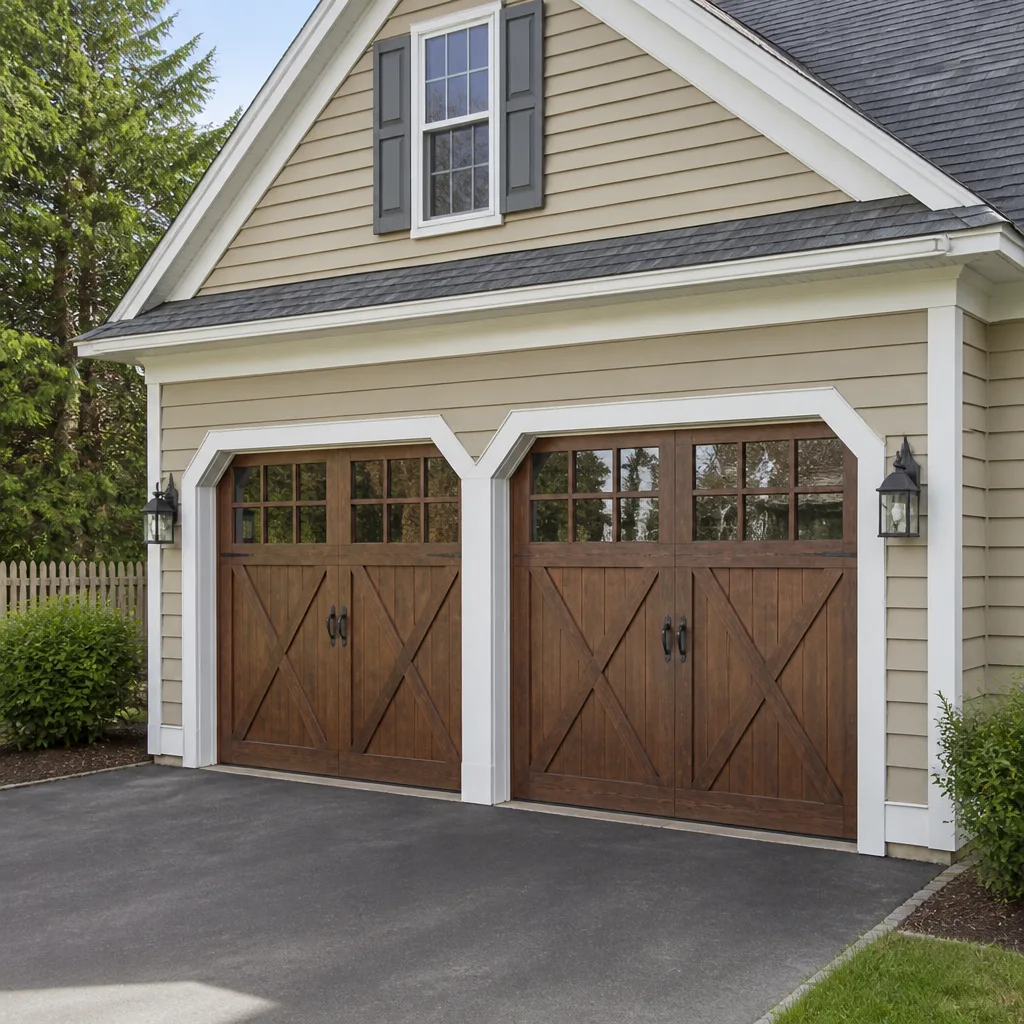 Carriage house
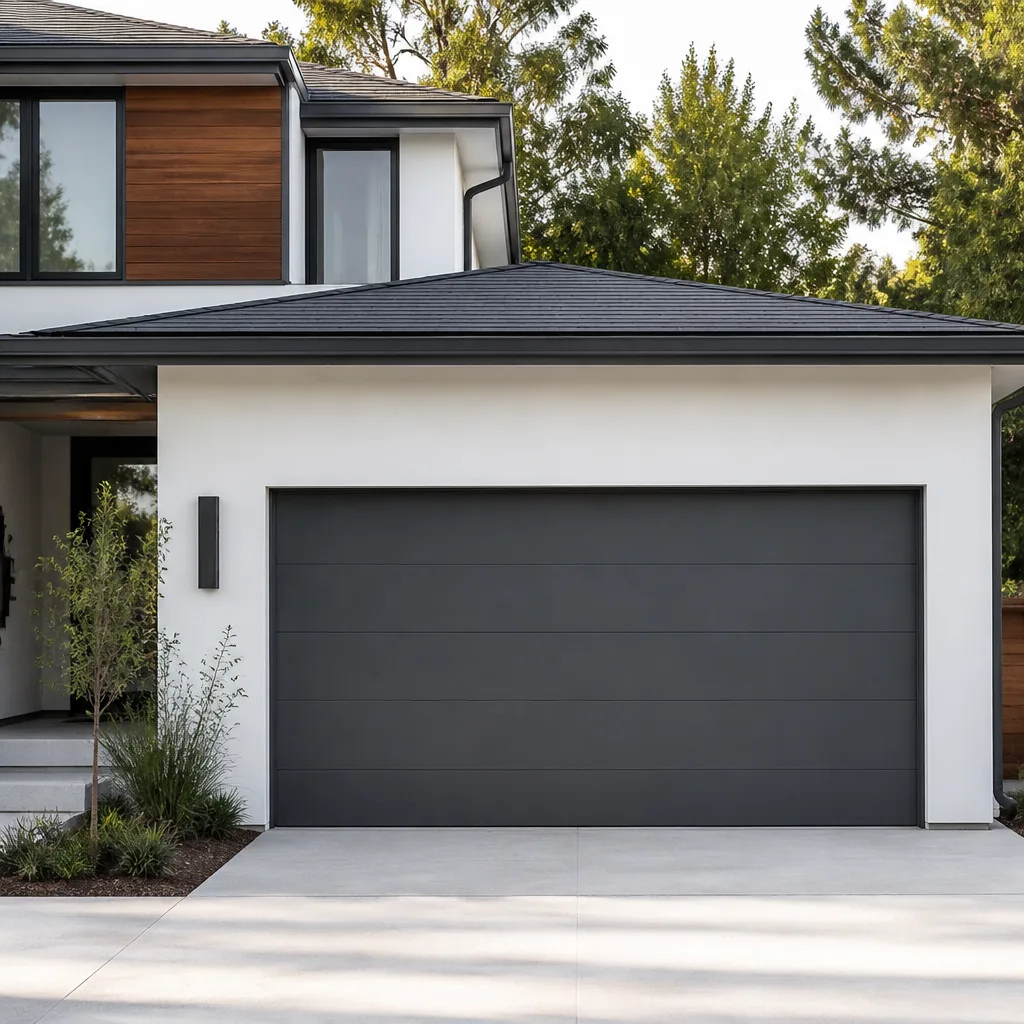 Modern flush
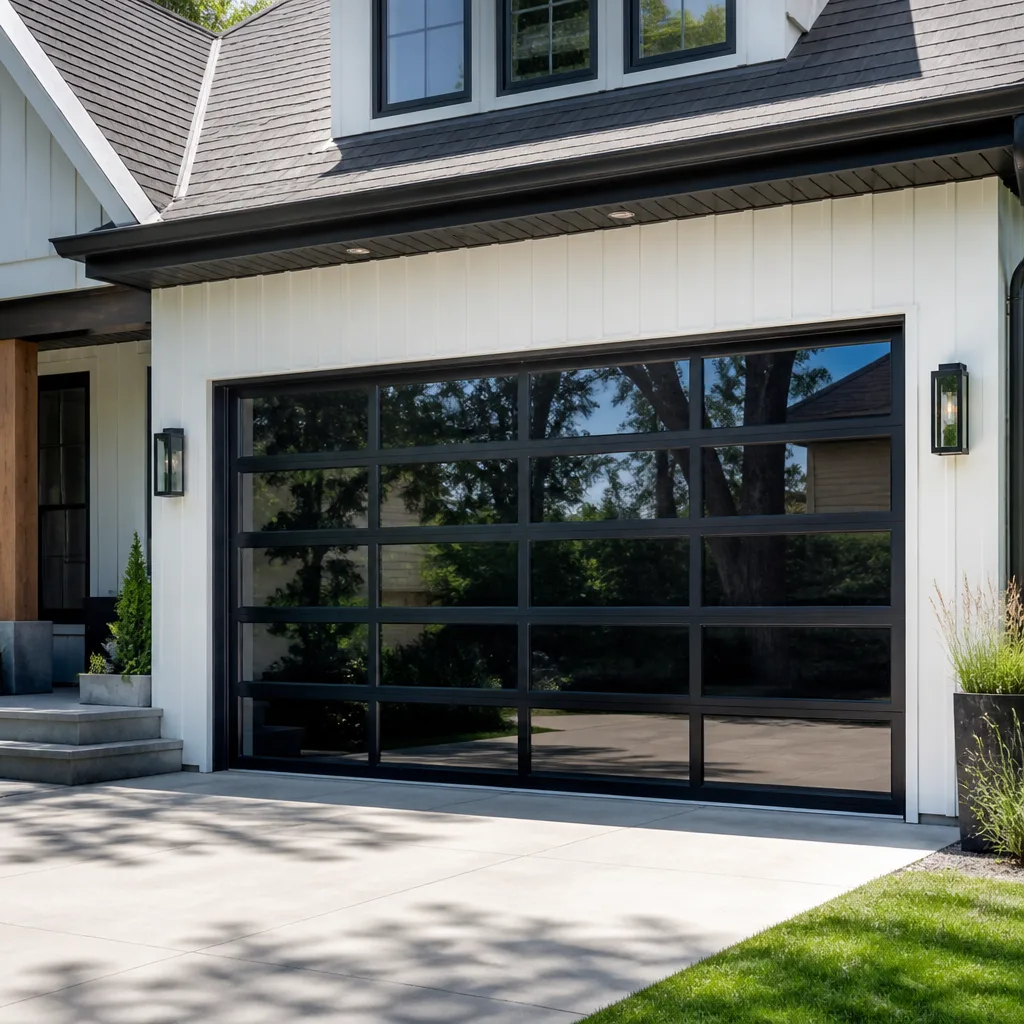 Full-view glass
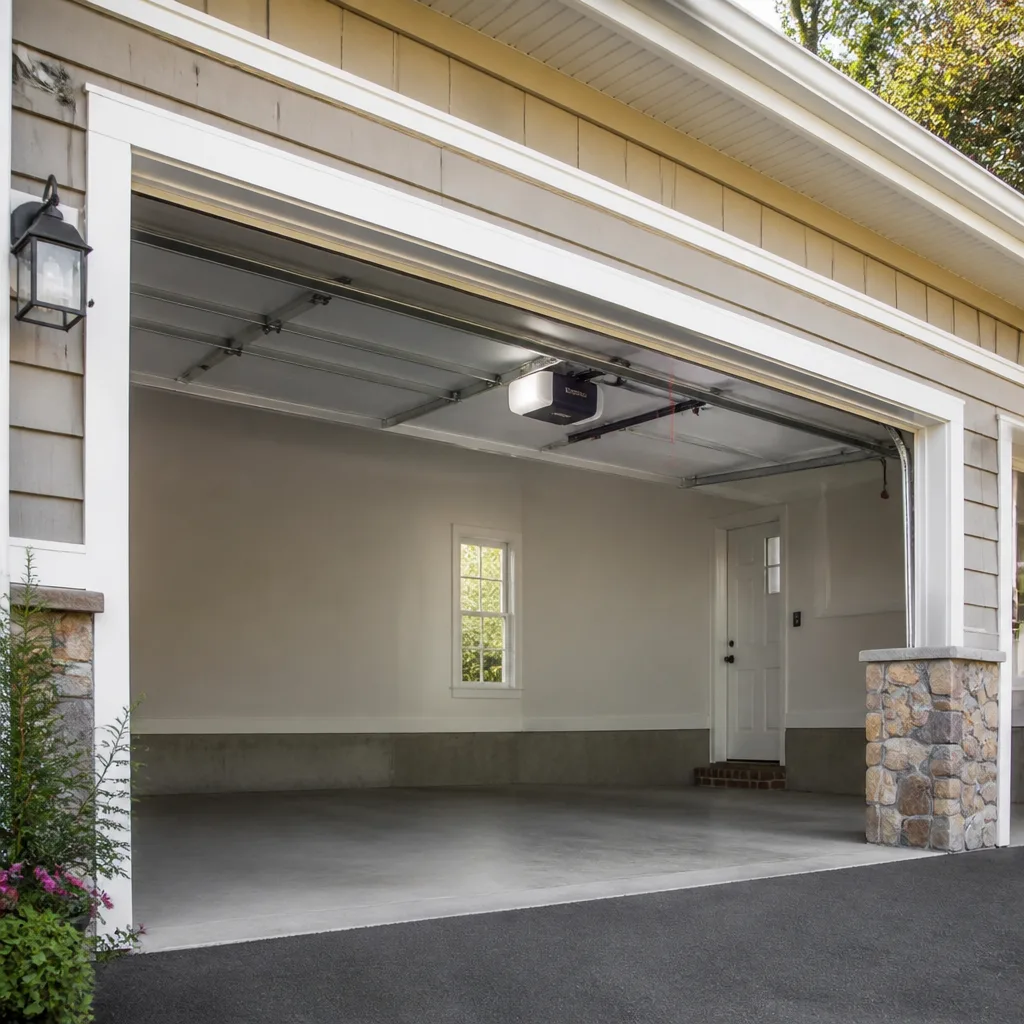 LiftMaster openers
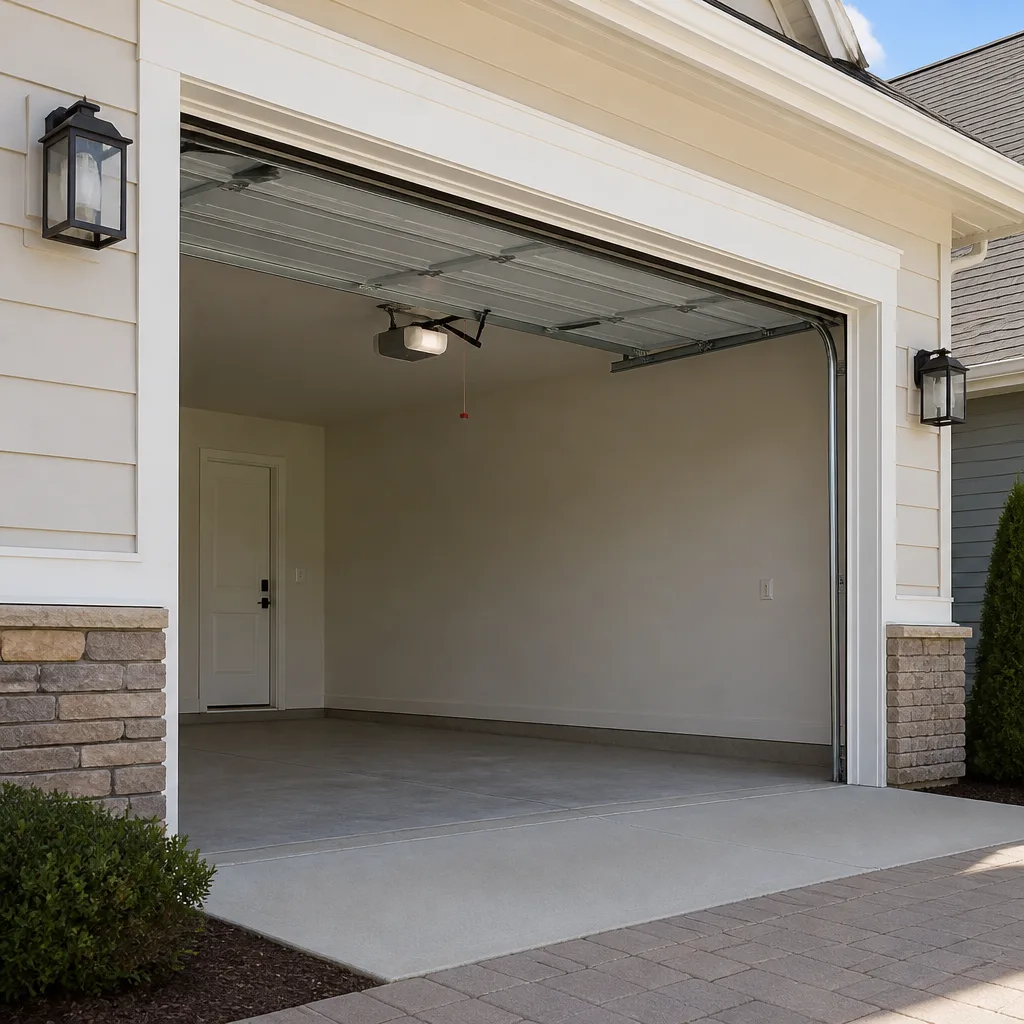 Chamberlain openers
Full 25-point door and opener safety check with every visit - springs, cables, rollers, tracks, and your LiftMaster or Chamberlain opener included
You get a price before we start. It does not change when the pro arrives.
Get your free estimateThe Complete Guide to Garage Doors in Boynton Beach
Most garage door guides are written for a generic suburb where the air is dry and the weather is average. That advice can actually cost you money in Boynton Beach. The county has a building code that governs how a door is anchored against wind, the humidity runs high across most of the year, and a great many neighborhoods come with an HOA that dictates what color and style of door you’re allowed to hang in the first place. Pick the wrong replacement, skip a hardware check, or guess at a spring size, and you’ll find out the hard way. This guide covers what actually matters for a garage door in Boynton Beach: how the climate affects the parts you can’t see, what the code requires before you buy, how HOA rules shape your choices, and how to decide between a repair and a full replacement.
Quick Answer
A garage door in Boynton Beach needs to be selected and anchored for high-wind code, maintained on a shorter schedule than the national average because of year-round humidity, and matched to any HOA rules that apply to your community. Most repairs – springs, openers, hinges, rollers, cables and panels – are worth doing before you consider a new door, and a full replacement makes sense when the door structure or the anchoring system is beyond safe repair. The written estimate sets the final price on any job.
Styles & brands we work with
- Raised-panel steel
- Carriage house
- Modern flush
- Full-view glass
- LiftMaster openers
- Chamberlain openers
Table of Contents
- How Boynton Beach Humidity Affects Your Garage Door
- Florida Building Code and Wind Load: What Your Door Must Meet
- Miami-Dade Approved Doors vs. Standard Residential Doors
- HOA Rules for Garage Doors in Boynton Beach Communities
- Why Springs and Openers Wear Faster in South Florida
- Repair or Replace? How to Decide
- Door Materials That Hold Up Here (and Which Don’t)
- A Maintenance Schedule That Fits This Climate
How Boynton Beach Humidity Affects Your Garage Door
Humidity is the quiet force behind most garage door wear in Boynton Beach. The garage sits at the edge of the house – often the most humid, least conditioned room in the home – and every metal part in the door system spends its life in that air. Springs, hinges, rollers, cables and the track all take moisture straight from the room. The result is surface rust that starts as a fine dusting on a hinge pin and becomes a seized roller within a couple of seasons.
What does this look like in practice? A few things stand out when we look at a door that’s been in the same Boynton Beach home for a while:
- Track rust at the bottom curve and along the vertical sections, where moisture sits longest. Rust inside the track roughens the surface the rollers ride on and causes a wobble that gets worse over time.
- Hinge pin corrosion. Hinges are the small parts that quietly transfer load between panels. When a hinge pin seizes, the door flexes in ways it wasn’t designed to, and panels start to talk.
- Spring surface rust. A coil of steel under constant tension with a thin oil finish is exactly the kind of part that struggles in humid air. Surface rust is normal; deep pitting is a sign the spring is on its way out.
- Cable fraying from rust that works its way into the strands. Cables are load-bearing parts, and a frayed cable is a stop-using-the-door situation.
- Paint and finish breakdown on steel doors, which then opens the door to more corrosion underneath.
Which materials resist this better? Steel with a baked-on finish and a galvanized base handles the humidity well as long as the paint stays intact. Aluminum doors don’t rust the way steel does but they still corrode and the moving parts are what usually fail first. Composite and wood-look doors avoid metal corrosion entirely but can swell and warp if moisture gets into the edges. The best defense is a yearly hardware inspection and a light coat of lubricant on moving parts. That is the single most effective habit for a garage door in Boynton Beach.
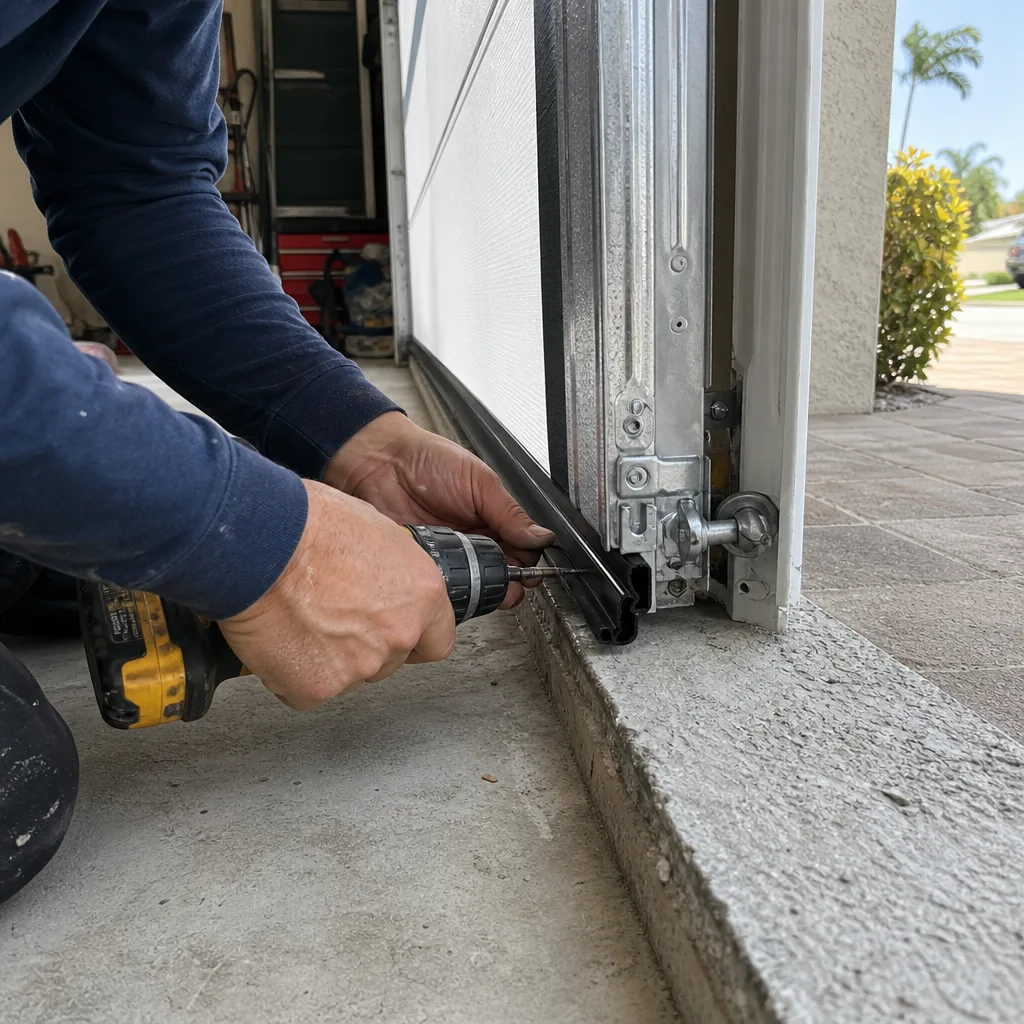
If you’re seeing rust on hinges or hearing the door bind as it travels, that’s a good point to bring in a specialist. Our garage door repair service handles hardware replacement, track straightening and roller swaps on all the major brands – Craftsman, Chamberlain, LiftMaster, Raynor and others in the same visit.
Florida Building Code and Wind Load: What Your Door Must Meet
Every garage door installed in Palm Beach County has to meet the Florida Building Code, and for garage doors the part that matters most is the wind-load rating. An open garage door is the largest opening in a house and one of the most common points of failure in a windstorm. The code treats it seriously. That’s why a replacement door in Boynton Beach is not just a home-improvement purchase – it’s a code component of the building envelope.
The practical side of this comes down to a few things:
- The door and its anchoring system are rated together. A rated door hung on old or undersized anchors doesn’t meet the intent of the code, and most permit reviewers will say so. The reinforcement struts, jamb brackets and track fasteners are as important as the door itself.
- Your address’s exposure category matters. Wind pressure requirements vary by how close the home is to open exposure. That’s a question for your local building department, and you should ask it before you order a door rather than after.
- Most replacements need a permit. Palm Beach County and the City of Boynton Beach both require a permit for a garage door replacement in the great majority of cases, because the anchoring system has to be inspected. Ask your city’s building department what your specific address requires before buying.
- Wind-rated reinforcement is a real upgrade, not a gimmick. Extra struts, heavier jamb brackets and a rated bottom bracket are what the inspector will look at, and they genuinely help the door resist wind pressure.
We see a lot of houses around Boynton Beach where a door was replaced years ago without a permit and without proper wind anchoring. It works fine in calm weather and it’s a real gap in a windstorm. If you’re not sure what’s on your house, a visual inspection can usually tell you in a few minutes.
Miami-Dade Approved Doors vs. Standard Residential Doors
A standard residential door built to the Florida Building Code is the normal choice for most Boynton Beach homes. A Miami-Dade-approved door is a higher tier of product that’s tested to the stricter standard used in Miami-Dade County, and it’s not always required here – but it can be the right call in specific cases.
Here’s how the two compare in plain terms:
- Standard residential door: built and rated to the Florida Building Code, appropriate for most single-family homes in Boynton Beach if the anchoring meets the code for the address. Usually the lower-cost of the two and the most common install in this area.
- Miami-Dade approved door: tested to a higher wind-pressure standard and labeled accordingly. Comes with a higher price and a heavier anchoring system. Often chosen in high-exposure locations, for particularly large single-car or two-car openings, or when an inspector or HOA requires the higher rating.
The right choice is a question of what your address demands and what your builder or inspector specifies – not simply “go with the best.” Miami-Dade approval on a door that doesn’t need it adds cost without adding protection. Leaving it off a door that does need it puts you on the wrong side of the permit. The safest move in Boynton Beach is to check with the building department before you order, and to have the door and anchoring sized together for the opening. If you’re planning a replacement, we can walk you through the ratings that apply to your specific home before any deposit is required.
HOA Rules for Garage Doors in Boynton Beach Communities
HOA approval is the step that most garage door replacement projects skip and then regret. A great many Boynton Beach neighborhoods – Leisureville, Renaissance Commons and others – enforce color, style, panel profile and window choices on exterior changes, and a garage door facing the street usually counts as an exterior change.
The rules vary from one association to the next. In general, you should expect to:
- Get the color palette in writing before you buy the door. Many HOAs specify an approved color list and will reject a door that’s “close” but not exact.
- Submit the door specs, panel profile and manufacturer information on the association’s architectural request form. Most want the door’s dimensions and a specification sheet along with the color name.
- Wait for the written approval before the install is scheduled. Verbal approval is not enough when a later owner questions the door.
- Keep the approval and the door documentation with the property records for the next owner or for any insurance review.
Certain styles are more widely permitted than others – raised-panel steel doors in neutral tones are the safe choice in most communities. Carriage-house style doors with decorative hardware are common in some Boynton Beach neighborhoods and prohibited in others. If you live in an HOA, it’s worth asking for the architectural guidelines before you’ve picked anything, because the door you love may not be one you can install. We install doors in a range of styles and can match a design to the association’s approved list once you have it.
Why Springs and Openers Wear Faster in South Florida
Springs and openers in Boynton Beach typically run shorter service lives than the national average, and the reasons are local. Torsion springs are rated in cycles – each open-and-close is one cycle – and a spring rated for a certain number of cycles in a dry, mild climate can hit that limit faster here. Humidity accelerates rust on the coil, and rust concentrates stress on the wire at the point of failure. Year-round use matters too. There’s no long cold season that keeps the door shut for months.
Openers face their own set of pressures. Because the door is heavier when a spring is tired, a tired spring makes the opener work harder, and that wear shows up in the gears, the drive belt or chain, and the motor itself. The opener isn’t usually the first thing to go – it’s the thing that fails because the spring went first and nobody noticed.
A few practical adjustments for a Boynton Beach homeowner:
- Shorten the hardware inspection interval to yearly. The national advice is often every 18-24 months; here, once a year is the right cadence for lubricant, hardware torque and spring condition.
- Watch for spring rust as an early warning. A light surface dusting is fine. Deep rust streaks or visible thinning in the coil means the spring is near the end of its life and should be replaced before it breaks and leaves the door stuck.
- Test the opener’s balance function by disconnecting the door and lifting it halfway. A properly balanced door should stay put. If it drops or races upward, the spring needs attention.
- Keep an eye on LiftMaster, Chamberlain and Genie opener age. Most openers have a working life of around 10-15 years under average use, sometimes less where the door is heavy or the spring is tired. When a LiftMaster or Chamberlain unit starts reversing for no reason or laboring on the way up, that’s worth investigating before it quits.
Spring repair is genuinely dangerous work. Torsion springs are under extreme tension and the tools involved are specialized for a reason. We handle it as a core service and understand the specific spring sizes and winding procedures for the doors we work on. If you suspect a spring is failing, call us before you keep using the door. Our garage door spring repair service is the right call for that.
Repair or Replace? How to Decide
For most garage door problems in Boynton Beach, a repair is the better value – and a full replacement is worth it when the door structure, the panel integrity or the anchoring system is beyond safe repair. A single stuck door, a noisy opener or a snapped spring is almost always a repair. A door that’s been bent out of track, has rusted-through panels, or is hung on undersized hardware that no longer meets code is usually a replacement.
Here’s the general decision framework we use:
- Repair if the door’s panels are structurally sound, the track is straight, the springs are the only failing part, or the opener has a specific broken component (a gear, a chain, a travel limit switch) that can be replaced.
- Repair if the door is otherwise fine but the hardware has rusted – hinges, rollers, bottom brackets and cables are all replaceable without touching the door panels.
- Replace if two or more panels are bent, rusted through or separating from the frame, because partial panel replacement is often more expensive and less structurally reliable than a new door.
- Replace if the door’s anchoring system was installed without a permit and doesn’t meet the current wind-load requirements for the address, especially on a home you plan to insure or sell.
- Replace if the door is decades old and the cumulative cost of repairs approaches a meaningful fraction of the new-door price.
A service call and free estimate will tell you which side of that line you’re on for your specific door. We’ll give you an honest read on a repair – and we’ll tell you when a replacement is the right answer, even when a repair would be an easier sale.
Door Materials That Hold Up Here (and Which Don’t)
Steel is the default for a reason: it handles Boynton Beach humidity well, holds a finish, comes in a range of panel profiles, and fits most HOA palettes. A galvanized steel base with a baked-on polyester finish and a good bottom seal is the reliable choice for most homes in this area. It’s also the material most builders specify, which means it’s likely what your neighbors have and what your HOA has approved before.
Aluminum is the other common choice and works well where rust is the concern, but aluminum still corrodes in humid air and the lighter gauge used for some doors can dent easily. Composite and wood-look doors avoid metal rust entirely but reward you for keeping the edges and bottom sealed, since moisture intrusion at the seams is what usually causes trouble. Solid wood doors can work in Boynton Beach but demand much more attention to finish and end-grain sealing than a steel door does. We generally steer homeowners toward steel or a well-sealed composite unless they have a specific design reason to do otherwise.
Whatever the material, the parts that matter for longevity are the same: a rated anchoring system, sealed bottom astragal, and yearly hardware attention.
A Maintenance Schedule That Fits This Climate
A Boynton Beach maintenance schedule should be shorter and more intentional than the national advice you’ll see on most manufacturer sites. Here’s what we recommend:
- Monthly: Look at the door with the opener engaged. Anything that shakes, wobbles or binds when it moves is worth a closer look. Listen for new noises.
- Every 3 months: Wipe down the hinge pins, rollers, springs and track with a light garage-door lubricant – not grease, which collects dust. Check the weather seal along the bottom for cracking.
- Every 6 months: Test the safety reverse system. Check the balance of the door by disconnecting the opener and lifting the door halfway. Inspect the track for bends and clean out any debris.
- Every 12 months: A full hardware inspection with attention to springs, cables, bottom brackets and anchoring. This is the inspection that catches a tired spring before it fails.
- Before hurricane season: Confirm the door and anchoring meet current code for the address, check that all struts and jamb brackets are tight, and test the manual release so you can operate the door if the power fails.
That schedule is a lot shorter than what a manufacturer will print, but it matches the climate and how much the door gets used. For the parts that require specialized tools – especially the springs and cables – the maintenance stops at observation. Anything that involves disconnecting a torsion spring or opening the cable loop is a job for a trained technician.
Common Mistakes to Avoid
- Buying a door before checking with the HOA. In Boynton Beach neighborhoods like Leisureville and Renaissance Commons, the association’s approval is what stands between a new door and an order to change it, so get written approval first.
- Skipping the permit. A garage door replacement is a code component, and a permit is usually required in Palm Beach County. Skipping it can complicate an insurance claim, a sale or an inspection down the road.
- Replacing one spring instead of the pair. Torsion springs are matched at the factory. When one breaks, its partner is usually at the same point in its cycle life, and replacing only one means the second spring will fail within weeks.
- Greasing the track. Track rollers are the part that should be lubricated. Greasing the track itself attracts dust and grit that wears the rollers faster, not slower.
- Attempting a DIY spring repair. Torsion springs are under extreme tension. This is genuinely the most dangerous part of the whole system and the one most likely to cause serious injury when done by someone untrained.
- Ignoring a rusty opener drive. A chain or belt that’s frayed or rusted can fail mid-open. In a humid climate this happens sooner than the manufacturer’s service interval.
- Choosing a door for looks alone. Style matters – but the wind-load rating and anchoring system have to match the address before the look is worth anything.
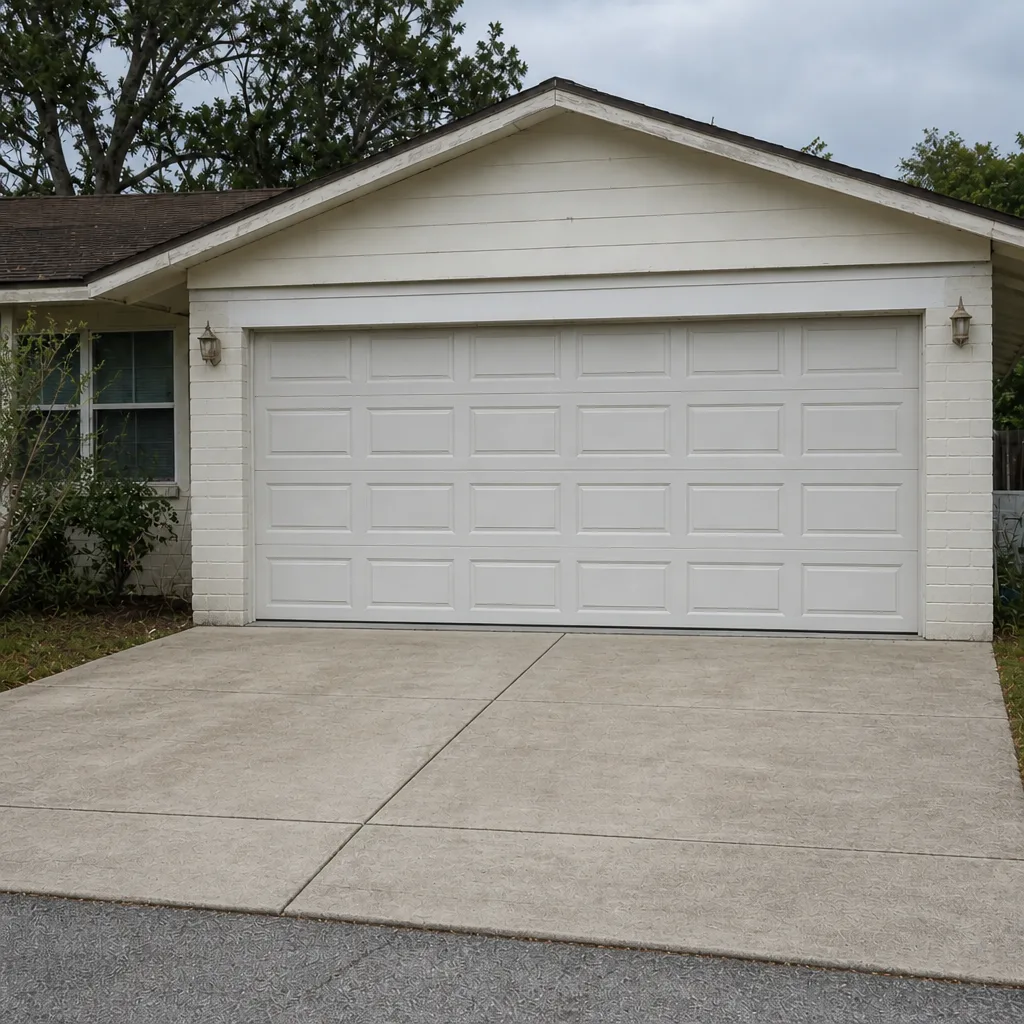
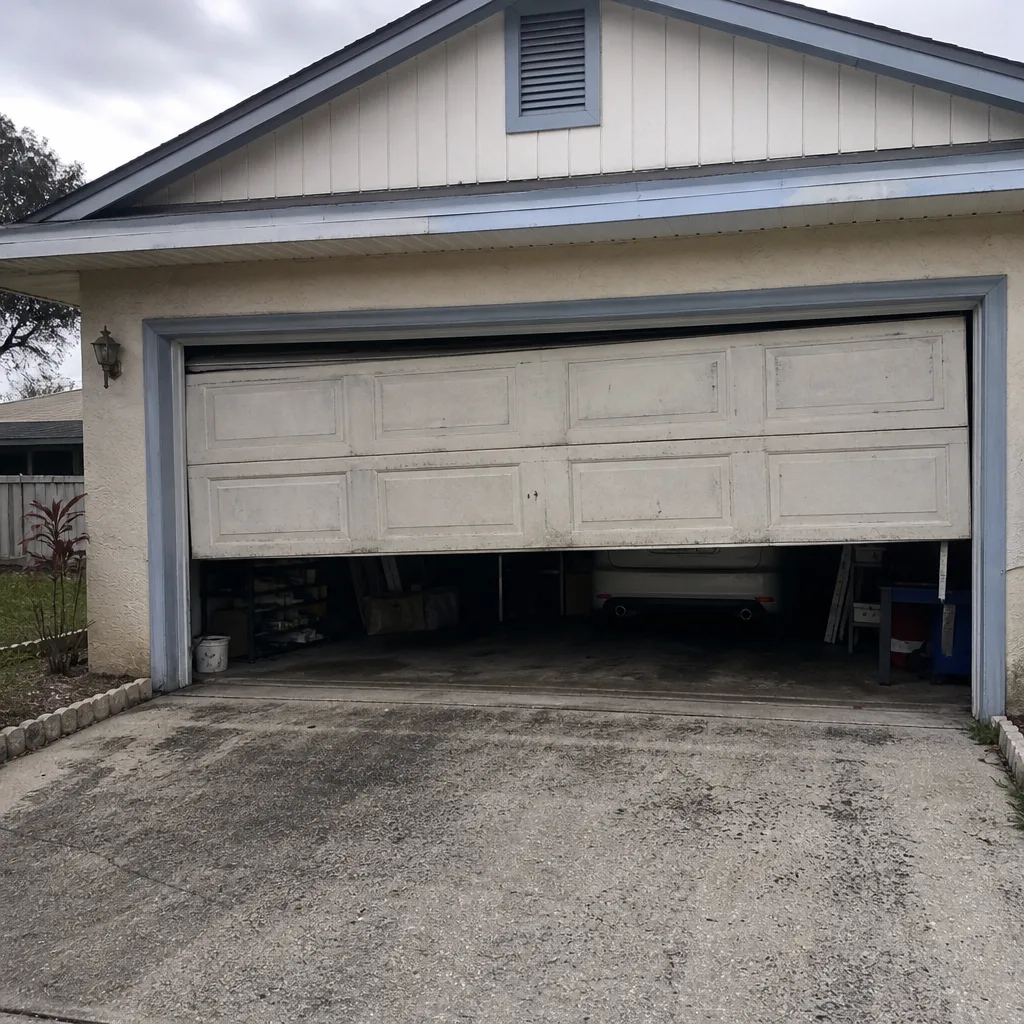
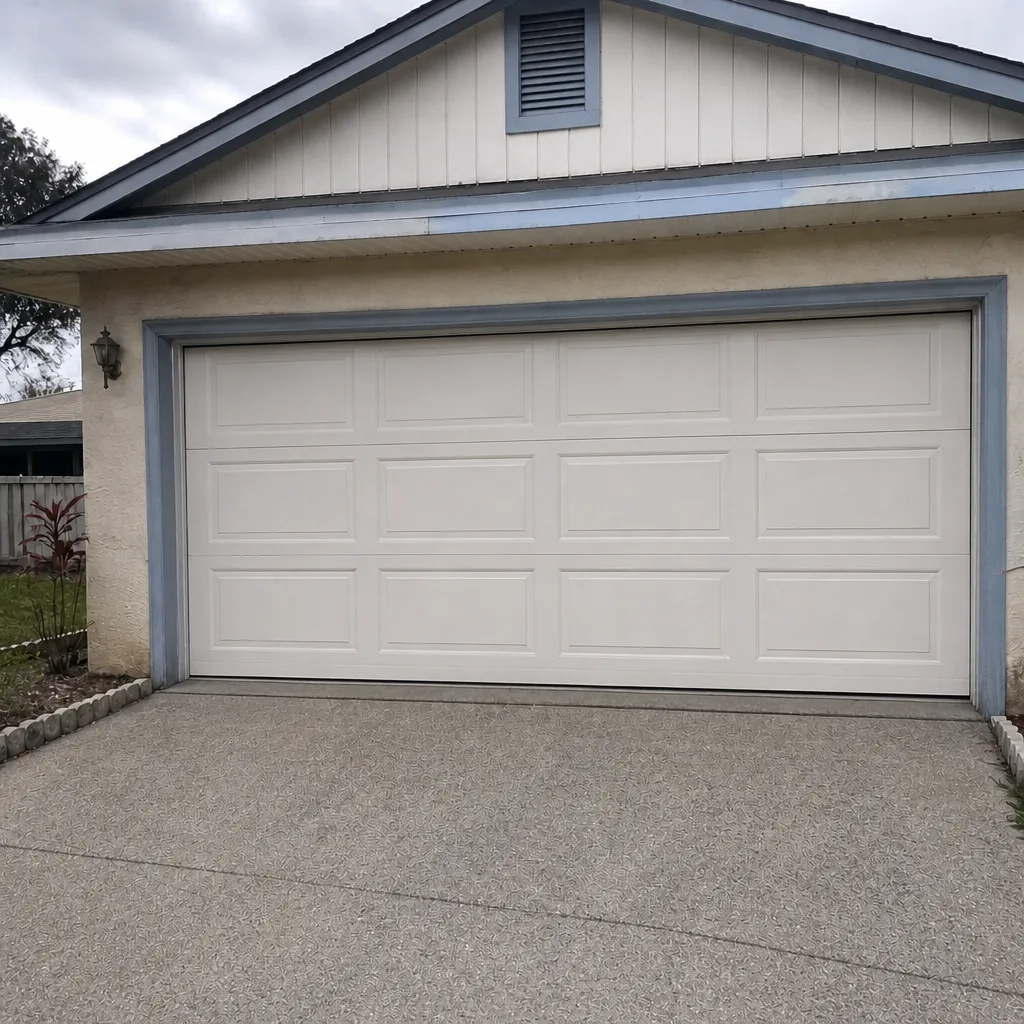
See the difference
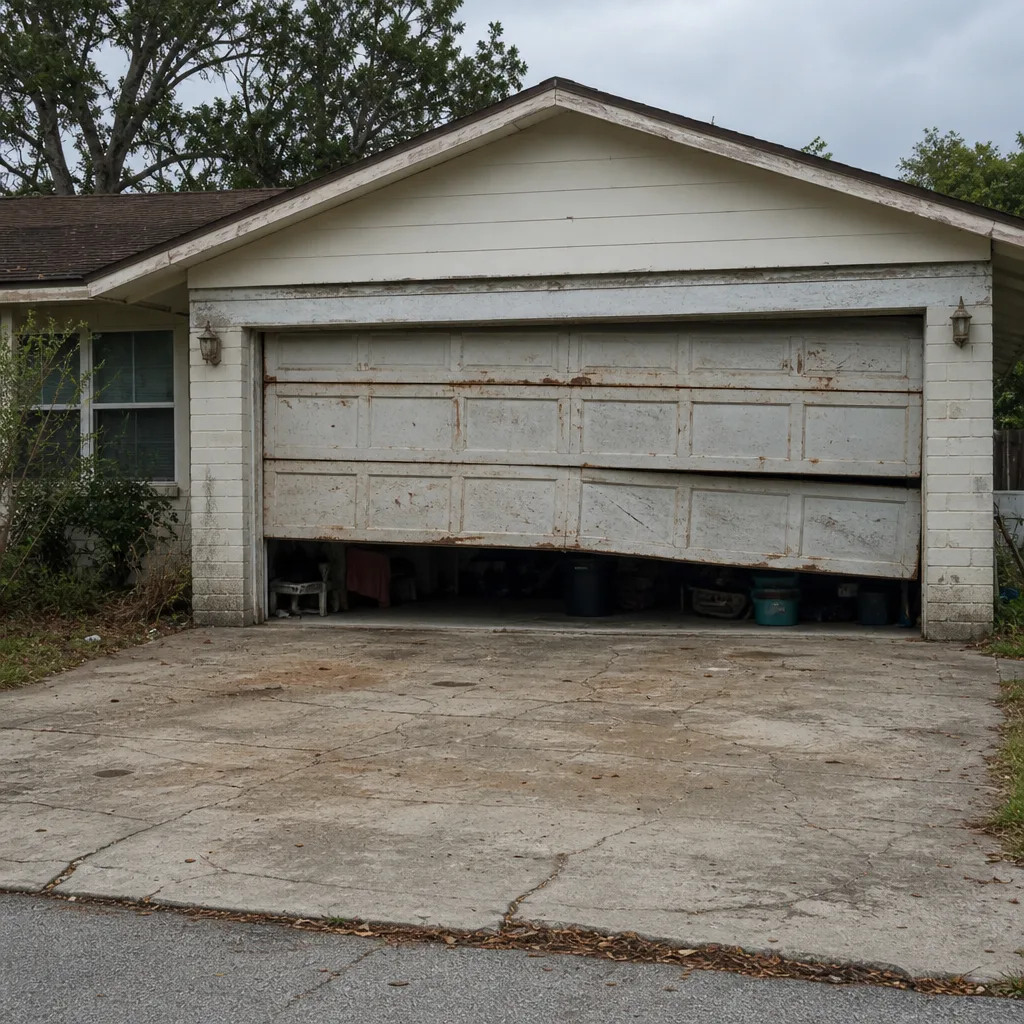 Before
 After
 Before
 After
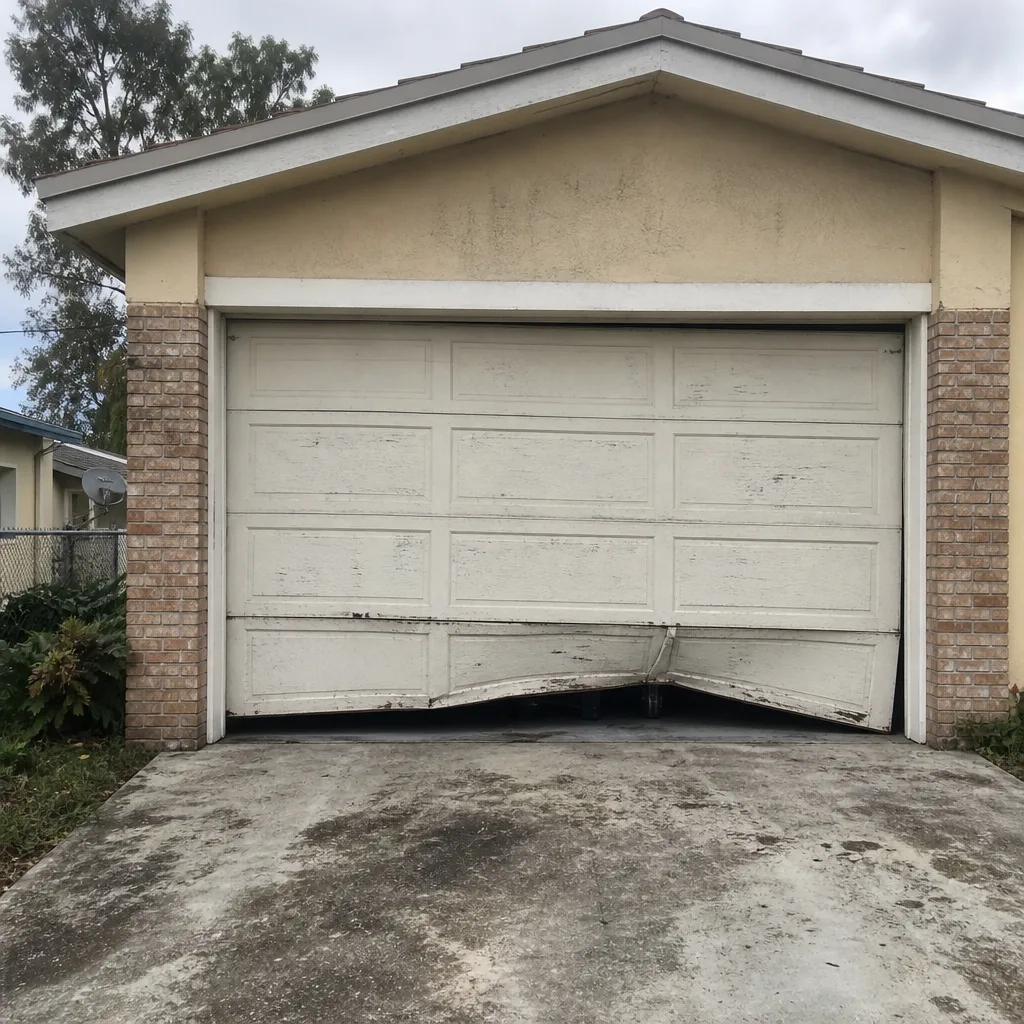 Before
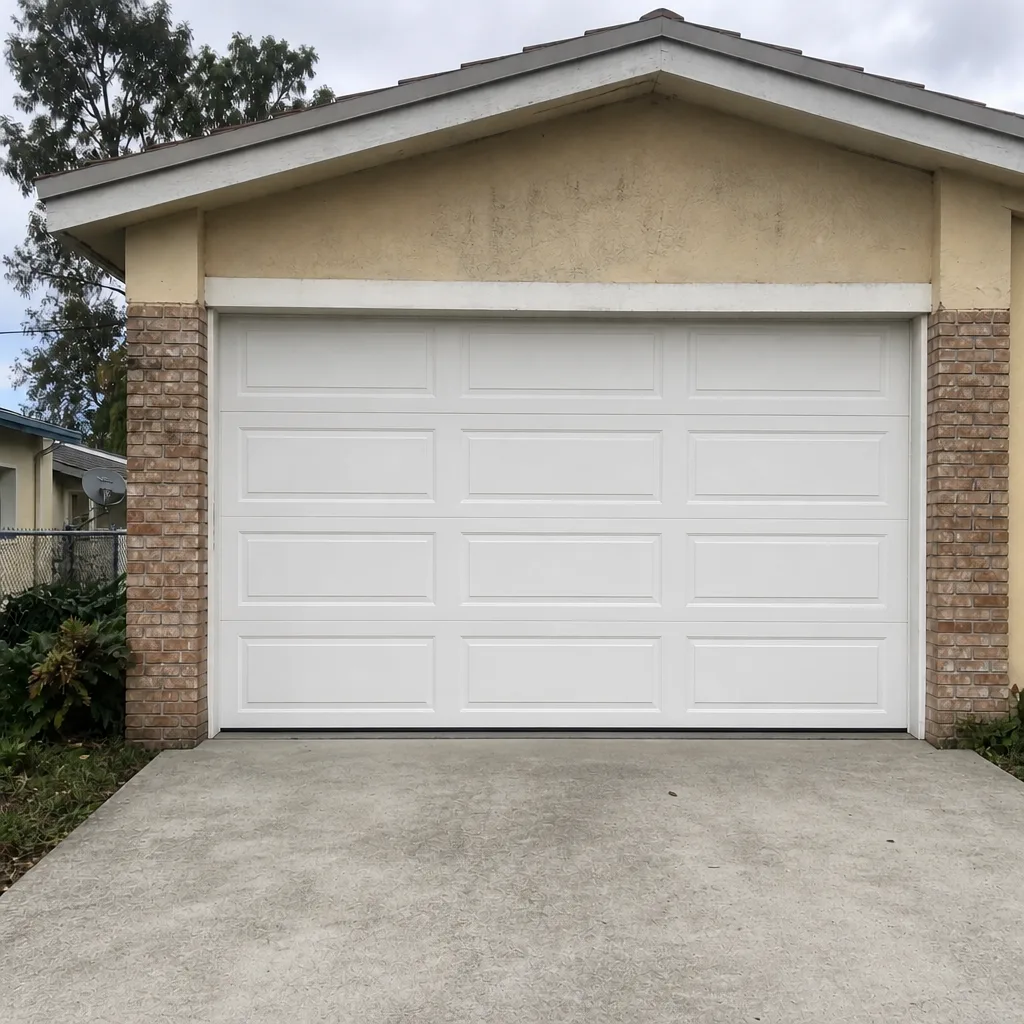 After
When to Call a Professional
Call a professional when the spring is broken or the door won’t stay up, when the opener runs but the door doesn’t move, when a cable shows fraying, when the door is visibly out of track, or when a whole door has stopped responding to the remote and the safety reverse isn’t behaving. Also call when you’re planning a replacement: the door and the anchoring system have to be selected together for the wind code and the HOA, and that’s a conversation best had before you order. Garage door work involves high-tension springs and heavy moving parts, and a mistake can hurt. Boynton Beach Garage Door Repair Pros offers free estimates in Boynton Beach – call (866) 937-8319. We answer 24/7. Fast dispatch from 7am to 7pm, Sunday through Friday.
We work on LiftMaster, Chamberlain, Genie, Clopay, Amarr, Wayne Dalton, Craftsman and Raynor systems. That means when we arrive at a Boynton Beach home with a LiftMaster opener or a Chamberlain drive unit, we already know the components and the failure patterns. Our garage door opener repair service handles that side of the system in the same visit as any door work.
Frequently Asked Questions
Most garage door repairs in Boynton Beach are in the $150 to $600 range for the common jobs – a broken spring, an opener repair, a set of hinges and rollers, or a cable and bracket replacement. A single spring replacement is typically $180 to $340; a pair is about double that, since the two springs are usually replaced together. The written estimate sets the final price and it’s agreed before any work starts. Call (866) 937-8319 for an exact quote – estimates are free.
In most cases, yes. Palm Beach County and the City of Boynton Beach both require a permit for a garage door replacement because the new door’s anchoring system has to be inspected to the wind-load requirements for the address. Ask your city’s building department what your specific home requires before you order a door. A licensed installer working with the local building department handles that part of the job for you.
No, once the written estimate is agreed, the price is set. We measure on site, quote the job in writing, and any change – a bad bottom bracket, a bent track you couldn’t see from outside – is approved by you before we touch it. The estimate is the number, not a starting point that climbs. Call (866) 937-8319 for a free estimate and a written quote.
The local professionals we connect you with are state-licensed and insured as their state requires. We’ll answer any compliance question on the estimate. Call (866) 937-8319 and we’ll walk you through it.
Very often, yes. A stuck-open door is a security issue and we treat it like one – it’s the kind of call that gets a spot on the schedule the same day. Call (866) 937-8319. We answer 24/7. Fast dispatch from 7am to 7pm, Sunday through Friday.
You don’t automatically need one – most Boynton Beach homes are well served by a standard residential door built to the Florida Building Code, provided the anchoring meets the current requirement for the address. Miami-Dade approval becomes the right call in higher-exposure locations, on larger openings, or where a builder or inspector specifies it. Check with your city’s building department for your address before you buy. If you’re still not sure, call (866) 937-8319 and we’ll talk it through.
The Bottom Line
A garage door in Boynton Beach is a different kind of purchase than it is in a typical American suburb. The wind code, the HOA palette and the year-round humidity all shape what works and what doesn’t. Get the code and HOA answer first, choose a material that holds up in this climate, service the hardware on a shorter cycle than the manufacturer prints, and treat springs and cables as the trained-professional parts they are. Most door problems are fixable with a repair. The ones that aren’t are usually solved cleanly by a replacement sized to the address. Call (866) 937-8319 for a free estimate on repair or replacement at your Boynton Beach home – we answer 24/7 and dispatch fast from 7am to 7pm, Sunday through Friday.
Written by the team at Boynton Beach Garage Door Repair Pros.